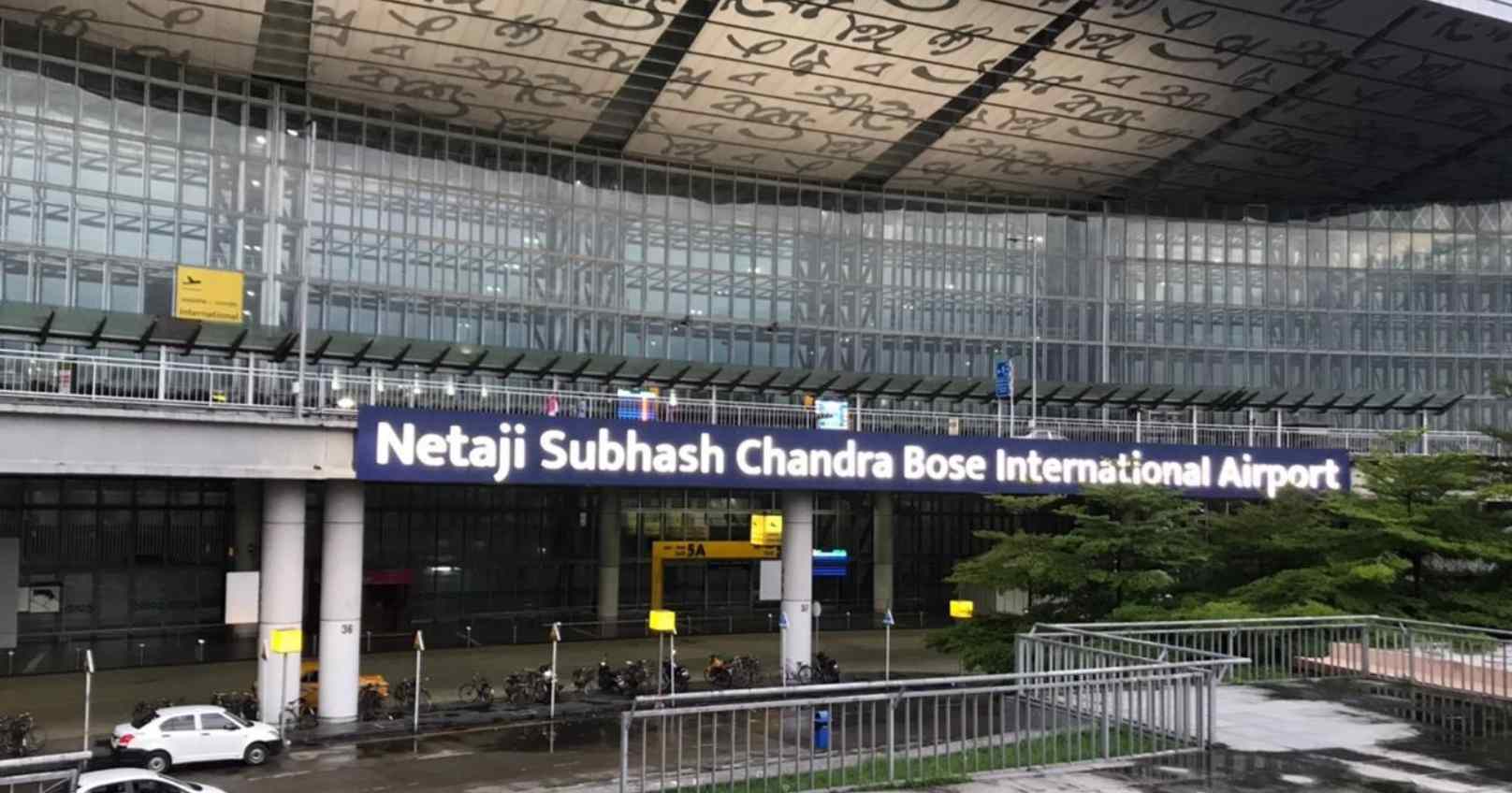
Most travellers passing through Kolkata’s Netaji Subhas Chandra Bose International Airport are unaware that a century-old mosque stands within the airport’s operational zone, barely a few hundred metres from the secondary runway. Known locally as the Bankra Mosque, the structure has resurfaced in political debates after West Bengal BJP chief Samik Bhattacharya raised questions in Parliament—and the Ministry of Civil Aviation (MoCA) acknowledged its presence in an official reply.
The issue drew further attention when BJP IT Cell head Amit Malviya shared the ministry’s response online, claiming that the mosque’s location “hampers safe aircraft movement” and limits use of the secondary runway during emergencies.
Why the Mosque Is Back in the Spotlight
For years, both central and state governments have tried negotiating with local Muslim representatives to relocate the 19th-century mosque to a nearby site outside the high-security aviation zone. Each attempt, however, has been rejected by the community.
The latest round of controversy began after Malviya wrote on X that shifting the runway threshold by 88 metres due to the mosque’s presence compromises aviation safety. “Passenger security cannot be compromised,” he said, blaming the state government for inaction.
Earlier this year, BJP leader Suvendu Adhikari also raised alarm over safety concerns, alleging that prayers were being performed openly near sensitive airport boundaries and criticising delays in airport expansion plans that he said were tied to the mosque’s relocation.
So How Did a Mosque End Up Inside an Airport?
Historical accounts suggest the mosque predates the airport by several decades. Built in the late 1800s, the structure originally served residents of a village that stood where the secondary runway exists today.
The area remained a rural settlement until 1924, when the British established the first version of the Dum Dum aerodrome nearby. Even then, the village—and the mosque—remained intact to the west.
In the 1950s and 60s, rapid air-traffic growth prompted airport expansion. Villages near the runway were cleared and residents relocated across Jessore Road. During this land acquisition process in 1962, authorities took over surrounding areas but left the mosque untouched—likely due to local agreements at the time.
As the airport expanded around it over the next several decades, the mosque continued to function. Worshippers accessed it daily, and aviation authorities eventually recorded it in the land deeds. Over time, the structure went from being a village mosque to an operational obstacle as safety norms tightened.
Why Relocation Efforts Have Failed for Decades
Repeated attempts to shift the mosque have stalled. In 2003, after meetings between central and state leaders, the solution was—remarkably—not relocation but altering runway development plans. Extensions and taxiways had to be redesigned because the mosque remained in place.
In more recent years, the Airports Authority of India (AAI) floated ideas such as creating an underground passage to allow devotees access, freeing the surface for aircraft movement. That proposal ran into security objections.
In 2023, AAI even began running a small shuttle service to take worshippers to the mosque through a 225-metre internal path that overlaps with aircraft taxiing routes—a clear sign of the operational complexities involved.
A Long-Standing Structure in the Middle of a Growing Airport
Kolkata Airport was once among India’s busiest international hubs, serving global airlines during the mid-20th century. But as aviation needs evolved, the presence of a protected 130-year-old mosque in the middle of a crucial air corridor has increasingly restricted expansion options.
Writers and commentators have also weighed in. Taslima Nasreen, in a widely discussed opinion piece, argued that Muslim community leaders themselves should initiate a solution to avoid security vulnerabilities and communal tensions.
The Core Issue Today
All stakeholders—the AAI, state government, Centre, and the local community—agree that the mosque is historically significant. But its proximity to the runway raises unavoidable concerns:
-
passenger and aircraft safety
-
runway utilisation during emergencies
-
long-term airport expansion plans
-
access management within a high-security zone
The unusual situation is largely the product of a decision made six decades ago when the mosque was left untouched during land acquisition. Today, that choice has resulted in a complex, politically sensitive challenge: a 19th-century mosque standing within a modern international airport’s critical operational area.