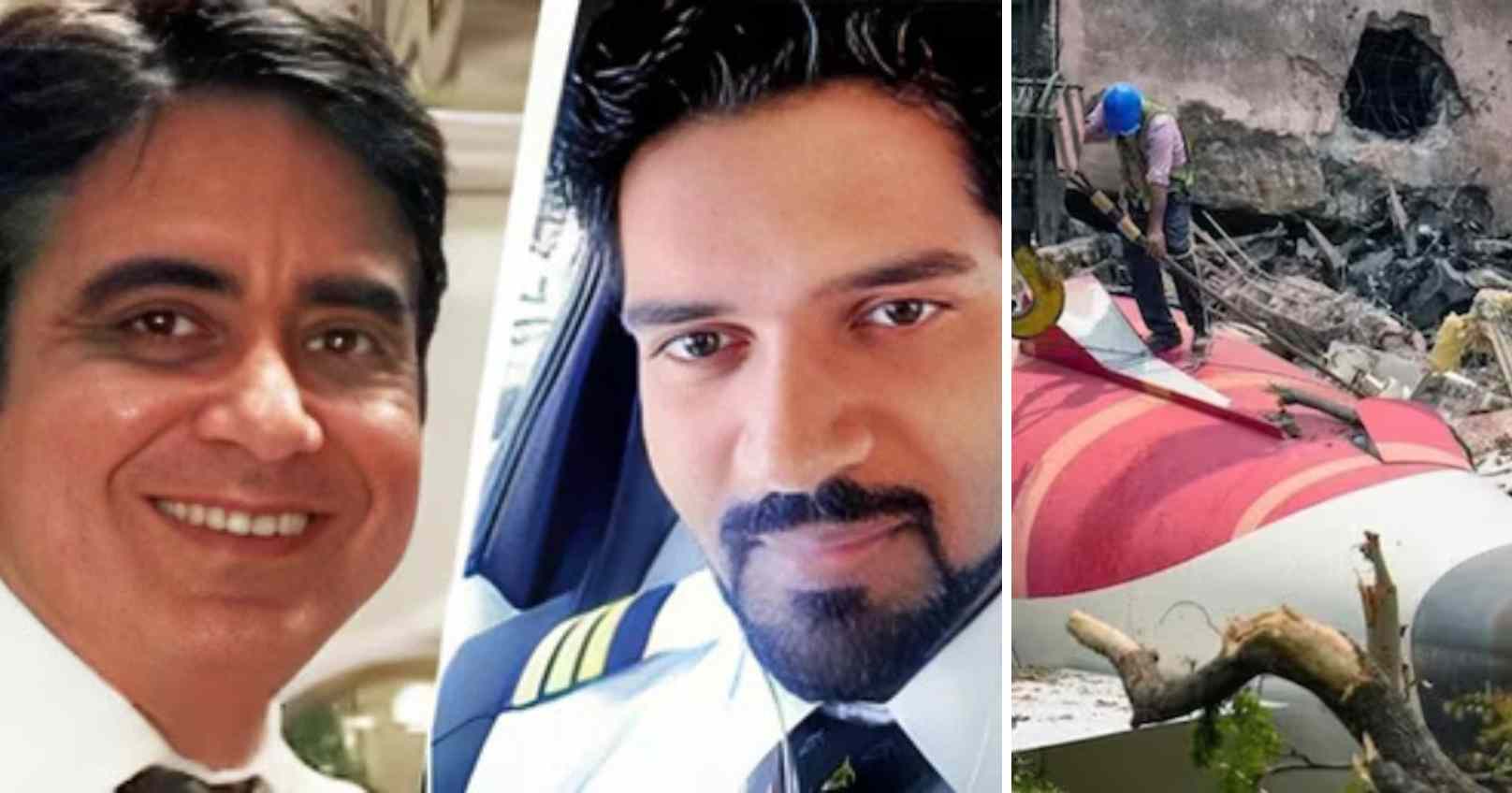
Investigators examining the deadly Air India aircraft crash in Ahmedabad are said to have ruled out mechanical failure, instead suspecting intentional human involvement, according to an Italian newspaper citing sources close to India–US discussions on the probe.
The report suggests that the June 2025 incident, which occurred shortly after takeoff, was linked to a fuel shutoff that was not caused by a technical glitch. Officials are reportedly moving toward preparing a final investigation document, with American aviation experts involved in the process describing the findings as a major development.
The Boeing 787 Dreamliner crashed within seconds of departing Ahmedabad airport, resulting in the deaths of 260 people. Victims included passengers as well as individuals on the ground after the aircraft struck a medical students’ hostel. Only one person on board survived.
Earlier, India’s Aircraft Accident Investigation Bureau released an interim assessment referencing cockpit audio in which one pilot questioned why the fuel supply had been cut, while the other denied responsibility. Based on subsequent analysis, investigators now reportedly believe the engine fuel control switches were manually turned off, leading to total power loss.
The flight was commanded by Captain Sumeet Sabharwal, with First Officer Clive Kunder serving as co-pilot. The Italian report notes that accountability has not yet been formally established but mentions concerns raised about the captain’s mental well-being, a claim that has been strongly rejected by his family.
Pilot associations had earlier criticized the preliminary findings, while Sabharwal’s father dismissed suggestions linking his son’s mental health or personal life to the crash, calling for a fresh and impartial investigation.
The final report is also expected to propose stronger mental health screening and psychological evaluation protocols for flight crew, according to the publication.
Investigators initially explored multiple possibilities, including technical faults and operational error. However, black box data reportedly indicated that both engines had been shut down manually, narrowing the focus to cockpit actions rather than equipment failure.
Authorities have yet to release an official final report, and aviation regulators caution that definitive conclusions should await formal confirmation.