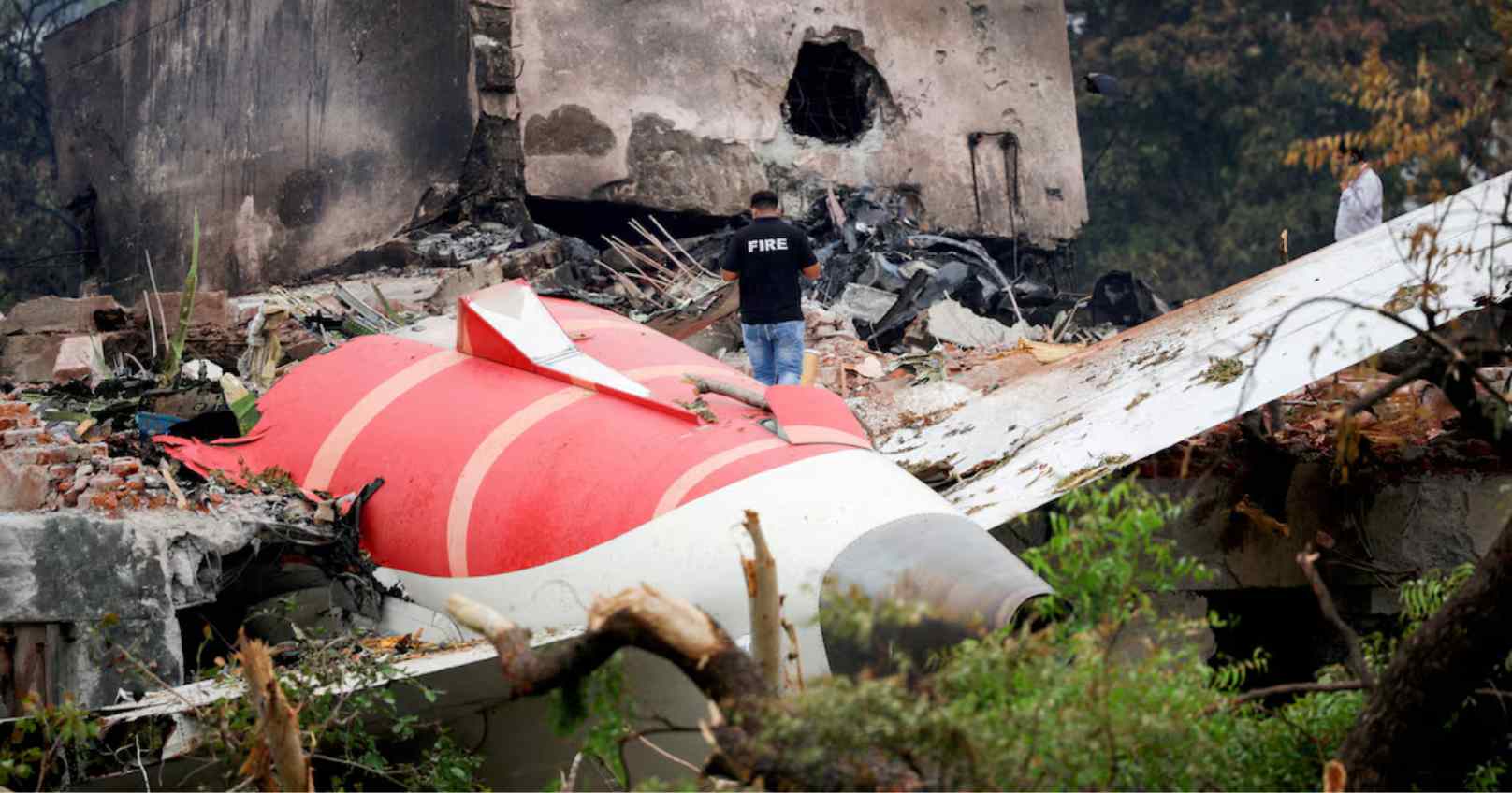
Air India had replaced a key cockpit component — the Throttle Control Module (TCM) — twice on the Boeing 787-8 Dreamliner that crashed last month, killing all 260 people onboard, sources told PTI. The replacements were made in 2019 and again in 2023 as per Boeing’s scheduled maintenance guidelines, which require the TCM to be changed every 24,000 flight hours.
The module, which houses the fuel control switches, is now at the centre of an ongoing investigation into what caused the engines of the London-bound flight (tail number VT-ANB) to fail just moments after takeoff from Ahmedabad on June 12. Data from the preliminary probe by India’s Aircraft Accident Investigation Bureau (AAIB) suggests the switches were moved to "CUTOFF" seconds after liftoff, shutting down both engines and sending the aircraft into a fatal descent.
Fuel Switches Under Scrutiny, but No Official Safety Concerns Raised
While the AAIB explores the potential involvement of the fuel switches in the crash, both Boeing and the US Federal Aviation Administration (FAA) have maintained that the design of the system remains safe. Following the release of the AAIB’s initial findings, the FAA issued a Continued Airworthiness Notification on July 11, stating that the switch mechanism did not present an “unsafe condition” and that no regulatory directive was necessary.
Boeing backed the FAA's position in a separate internal note to 787 operators worldwide, reportedly advising that no immediate action or modifications were required.
The AAIB’s preliminary report also mentioned a 2018 FAA safety bulletin that had advised operators to inspect the locking mechanism of the fuel switches to prevent accidental movement. This advisory was not mandatory, and Air India opted not to carry out the suggested inspection.
Cockpit Voice Recordings Reveal Confusion
Black box data, including cockpit voice recordings, paints a disturbing picture of the moments leading up to the crash. The recordings capture one pilot questioning the other: “Why did you cut off the fuel?” The other pilot responds: “I did not do so.” Both switches had been moved to the "CUTOFF" position within a second of each other, investigators said.
Though the engines briefly restarted after the switches were flipped back to "RUN", they failed again almost immediately. The aircraft could not gain altitude and crashed into a building shortly after takeoff.
Compliance with Maintenance Protocols, but Questions Remain
The AAIB noted that Air India had adhered to all applicable airworthiness directives and Boeing service bulletins. Maintenance logs confirmed the TCM had been replaced at the recommended intervals. However, the precise reason why the fuel control switches were activated during takeoff is still unknown.
The final report, which is expected to provide a detailed explanation of the events and contributing factors, is still in the works.