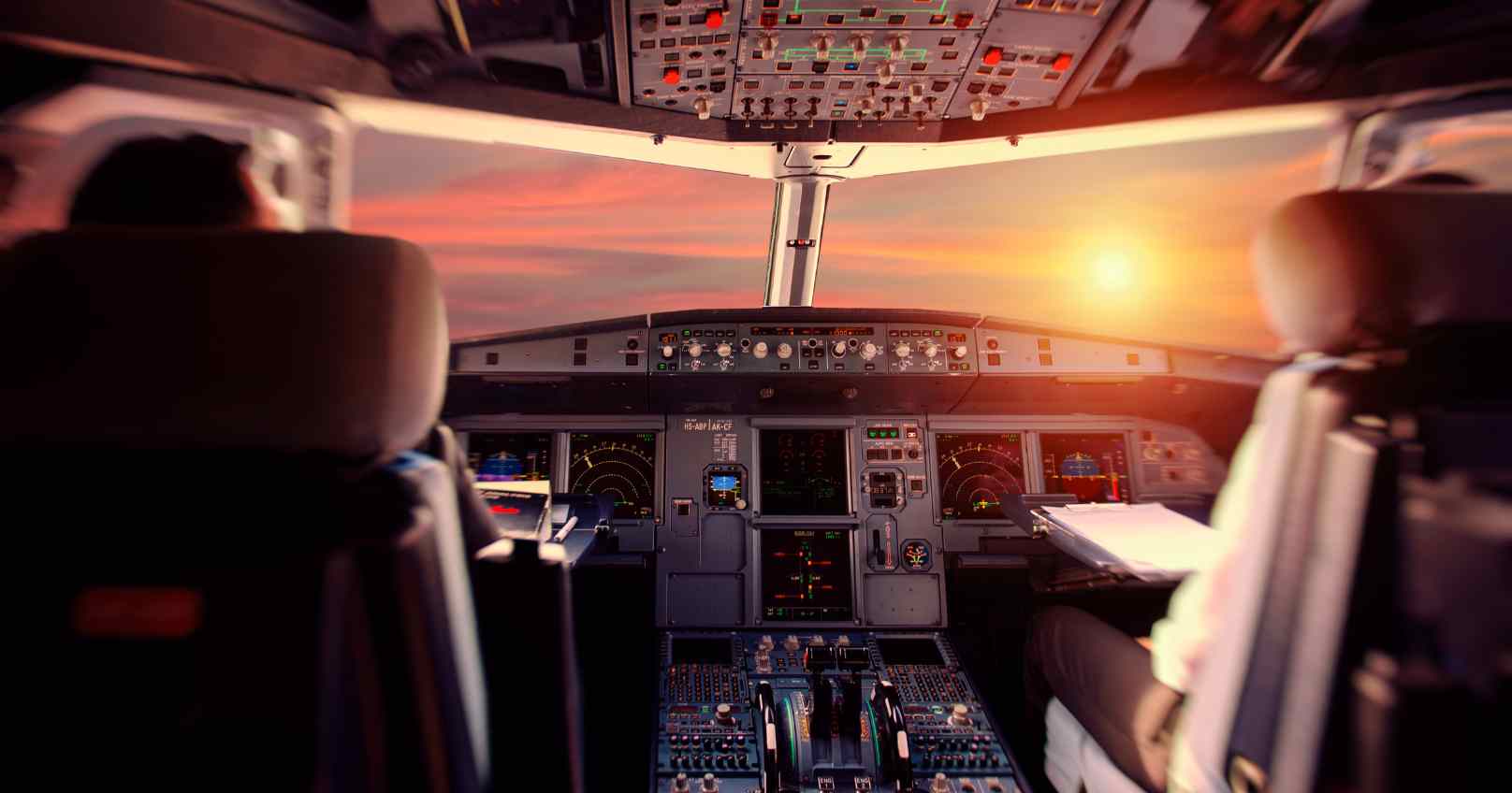
Air India Crash Rekindles Debate Over Cockpit Cameras: Safety vs. Privacy
The Air India Boeing 787 crash has renewed global calls for cockpit video recorders, igniting a debate between enhanced safety and pilot privacy
16-07-2025

A month after the deadly crash of an Air India Boeing 787-8 in Ahmedabad, which claimed 260 lives, the preliminary findings by India’s Aircraft Accident Investigation Bureau (AAIB) have revived long-standing global questions: why don’t commercial planes have cockpit video cameras?
The interim report, released July 12, details an eerie exchange between the pilots just before the crash. One is heard asking, “Why did you cut off the fuel?” to which the other responds, “I did not do so.” The revelation has intensified calls for adding cameras in cockpits, as many believe visual evidence could offer clearer insights into such tragedies.
Modern aircraft are equipped with two flight recorders — a cockpit voice recorder (CVR) and a flight data recorder (FDR). These devices, often collectively called the "black box," are essential for investigating air crashes. The CVR captures conversations, alarms, and ambient cockpit sounds, while the FDR records flight parameters like speed, altitude, and engine performance. Both black boxes from the crashed Air India plane were recovered and analyzed in Delhi with assistance from US investigators.
Despite this technology, many aviation experts argue that video footage could add a crucial layer of clarity. The debate centers on a persistent question: if dashboard cameras are now common in cars and even school buses, why not in airplane cockpits?
The primary roadblock to cockpit cameras isn’t technological — it’s cultural and political. Pilot associations, particularly in the United States, have long opposed the installation of cameras in the flight deck. They cite concerns over privacy, misuse of footage, and the possibility that pilots may alter their behavior if they know they’re being filmed. Some unions argue that cameras could create an environment of surveillance rather than safety, potentially eroding trust within the cockpit.
Another concern is that video clips, if leaked, could traumatize victims' families or be taken out of context, fueling speculation rather than aiding fact-based investigations.
The US National Transportation Safety Board (NTSB) first proposed cockpit video monitoring back in 1989, after a near-miss at Kansas City airport. Since then, the idea has resurfaced repeatedly, especially after major air disasters. Still, it has never gained traction. In 2003, the NTSB even placed cockpit cameras on its "Most Wanted" list of safety upgrades — yet legislative and regulatory support remained elusive.
The Air India incident isn’t the first case where cockpit visuals could have helped investigators. The 1999 crash of EgyptAir Flight 990 remains shrouded in controversy, in part because of the absence of visual evidence. Investigators were left to interpret vague voice recordings and aircraft data — a situation eerily similar to the current Air India case, where fuel supply to both engines was inexplicably cut just after takeoff.
Aviation analysts say that visual data could clarify whether such events are due to mechanical failure, pilot error, or something more sinister.
While resistance continues in the US, other parts of the world are pushing forward. China is reportedly working on installing video surveillance in its domestically built COMAC C919 jets. Some European aviation authorities also support cockpit monitoring, though implementation remains limited.
Notably, thousands of hours of voluntary cockpit video — mostly from training flights or take-offs and landings — are already online, shared by pilots themselves through aviation enthusiast channels like Just Planes and Flightradar24. Critics argue that if such footage can be filmed recreationally, then surely it can be recorded professionally to serve safety.
Following the Air India crash, public figures and safety advocates have taken to social media urging governments to reconsider the ban on cockpit video recorders. Legal experts and aviation enthusiasts have questioned why regulators still rely solely on audio recordings when a camera could offer indisputable evidence of crew actions.
Supporters of the idea point out that pilots initially resisted cockpit voice recorders too — today, they’re indispensable to air crash investigations.
Ultimately, the clash between privacy and safety continues. But with each tragedy, the scale tips further in favor of transparency. As the investigation into the Ahmedabad crash continues, the call for cockpit video cameras may finally gain the altitude it needs.

CJP leaders Saurav Das and Ashutosh Ranka were released by a Special Executive Magistrate after furn
Read More
CJP leaders Saurav Das and Ashutosh Ranka will remain in judicial custody until October 21 after a S
Read More
Former India cricketer Yusuf Pathan is reportedly set to receive half of a disputed 1,000-square-met
Read More