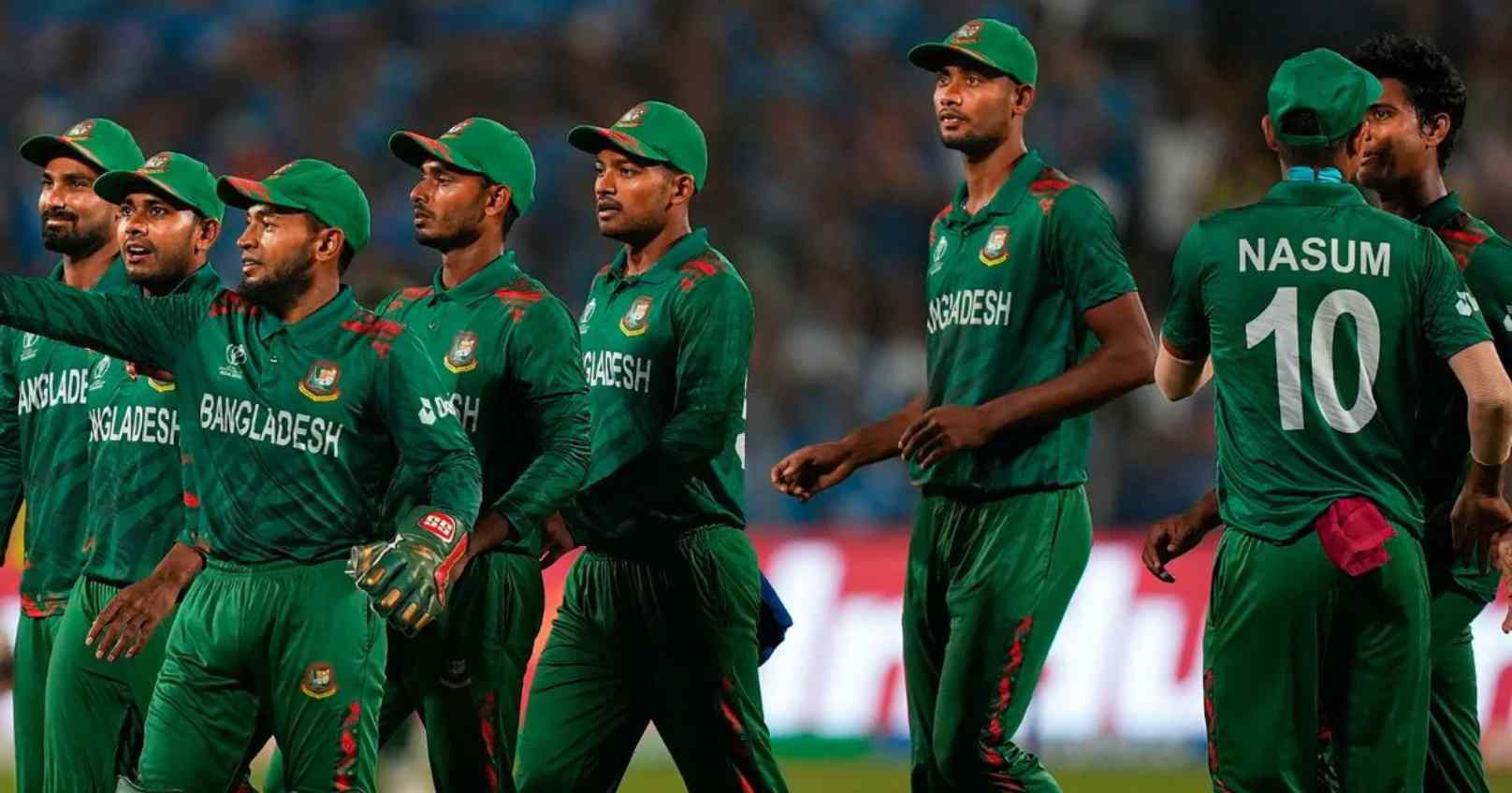
The Bangladesh Cricket Board (BCB) has taken a final gamble in its ongoing dispute with the International Cricket Council (ICC) over venue arrangements for the upcoming T20 World Cup. After the ICC turned down its request to relocate Bangladesh’s matches from India to Sri Lanka, the BCB has reportedly approached the global body once again, this time urging it to involve the ICC’s independent Dispute Resolution Committee.
Despite making this fresh move, the BCB announced on Thursday that it will not dispatch the national team to India for the tournament, signalling a hardening of its position just weeks before the event begins.
According to a Times of India report, the board is hopeful that the ICC will consider referring the matter to the Dispute Resolution Committee (DRC), a neutral arbitration panel made up of independent legal experts. The DRC operates under English law, with proceedings based in London, and is empowered to examine whether ICC decisions comply with regulations and contractual obligations.
Crucially, the committee does not function merely as an appeals forum. It can review the legality and interpretation of ICC rulings, and its decisions are binding, leaving little scope for further challenge except on narrow procedural grounds.
The ICC had earlier rejected Bangladesh’s request during a video conference held to resolve the impasse. Following that meeting, BCB president Aminul Islam Bulbul reiterated that the board remained unconvinced by the assurances provided and would not revise its stance.
Under the existing schedule, Bangladesh are due to begin their T20 World Cup campaign on February 7 against West Indies at Eden Gardens in Kolkata. The team is also slated to play Italy and England at the same venue before travelling to Mumbai to face Nepal at the Wankhede Stadium.
With the BCB standing firm and the ICC unwilling to alter the fixture plan so far, the dispute has pushed the tournament into uncertain territory. Whether the intervention of the Dispute Resolution Committee can break the deadlock now remains to be seen.