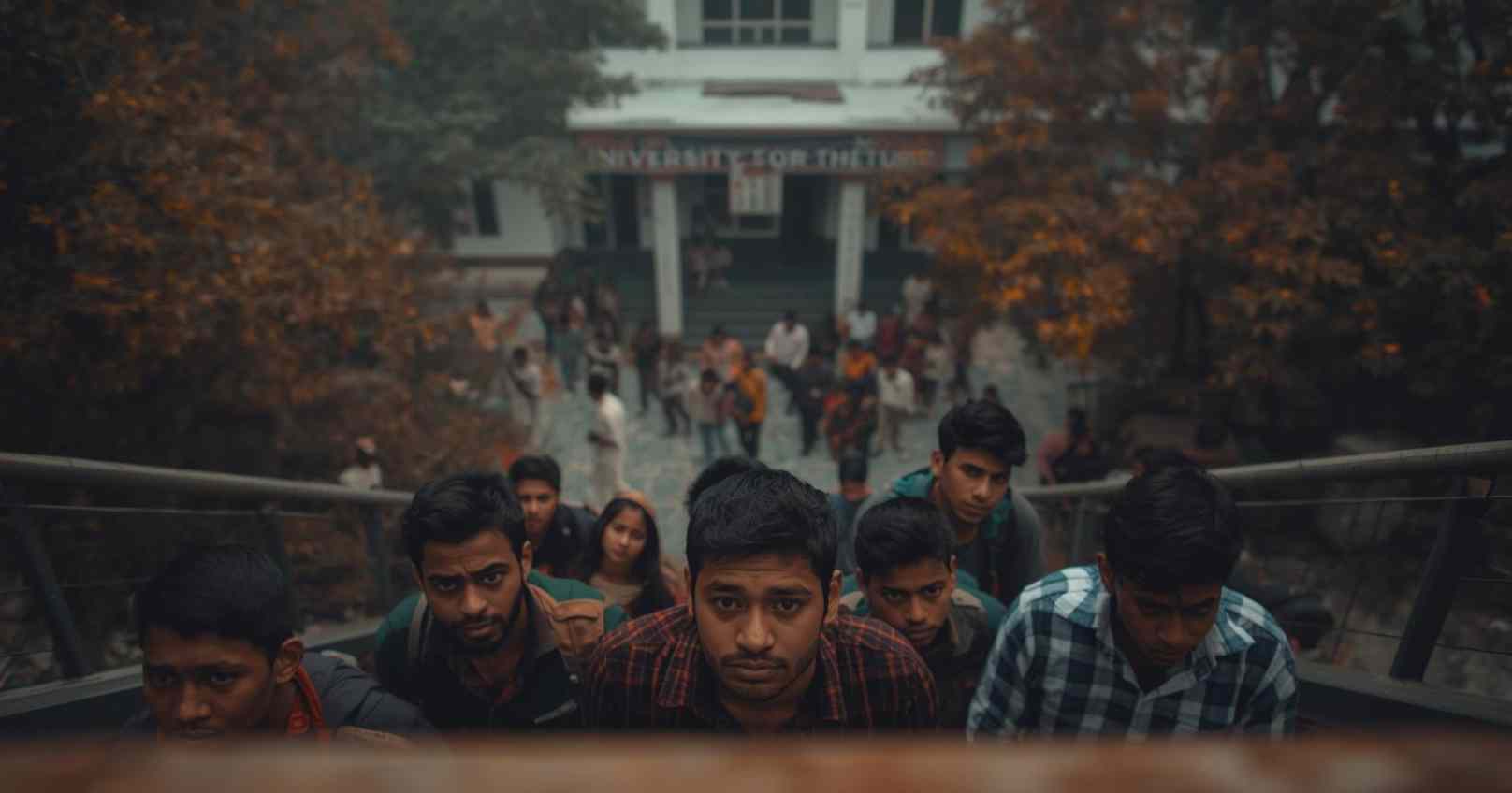
Facing pressure from the global energy crunch linked to tensions in West Asia, the Bangladesh government has directed all public and private universities across the country to suspend operations beginning Monday. The step is aimed at reducing electricity and fuel usage as authorities prepare for potential energy supply challenges.
The instruction was issued by the Ministry of Education through an official order signed by Assistant Secretary Sultan Ahmed.
Officials said the university closures coincide with the academic break scheduled for Eid-ul-Fitr. At the same time, the move is part of a broader plan to reduce national power consumption while uncertainty continues to affect global energy markets.
The decision comes as the newly established administration led by Tarique Rehman steps up efforts to enforce cost-saving and energy conservation measures across the country.
Government officials are concerned that continued instability in the Middle East could disrupt global oil and gas supply chains. Countries that rely heavily on imported energy, such as Bangladesh, are particularly exposed to these risks.
Government Calls for Responsible Energy Use
In addition to closing universities, authorities have appealed to the public to be mindful of fuel and electricity consumption.
A separate advisory from the energy ministry encouraged citizens to avoid unnecessary travel to help lower fuel demand and reduce pressure on national reserves.
The appeal followed reports of panic buying at fuel stations in the capital, Dhaka. Many petrol pumps saw unusually long lines as motorists rushed to refuel amid fears of potential shortages.
Several station operators reported that demand increased sharply during the past week. Some drivers reportedly waited for hours to fill their tanks as queues stretched from early morning.
Measures to Reduce Fuel and Electricity Demand
The government has also urged households and businesses to use electricity more efficiently. Residents have been advised to limit non-essential power use, including decorative lighting.
Authorities further recommended reducing reliance on private cars and instead opting for public transport where possible, which could help curb fuel consumption nationwide.
Officials say the actions are largely precautionary but necessary due to Bangladesh’s dependence on imported energy resources.
Energy analysts point out that nations in South Asia, including Bangladesh and Sri Lanka, are particularly sensitive to changes in global oil prices and supply disruptions.
According to representatives from the Bangladesh Petroleum Corporation (BPC), the country currently holds sufficient fuel reserves to meet immediate needs. However, experts warn that long-term energy stability could still be affected if global supply conditions worsen.