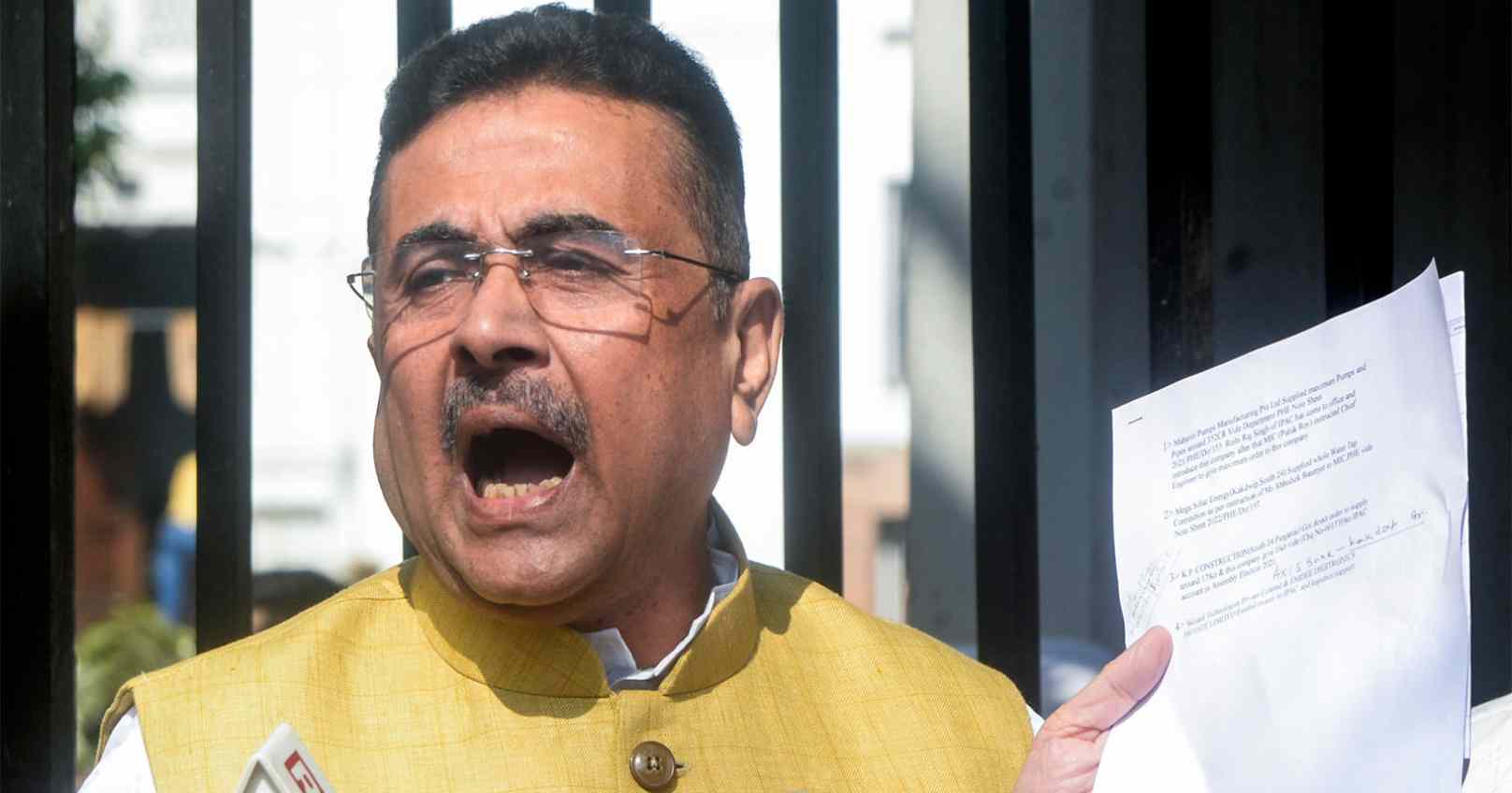
West Bengal Chief Minister Suvendu Adhikari on Thursday announced a major shift in the state’s handling of suspected illegal Bangladeshi immigrants, stating that such detainees would now be directly transferred to the Border Security Force (BSF) for deportation instead of being taken through regular court proceedings.
According to the Chief Minister, the new system became operational from May 20 and instructions have already been issued to the state police and the Railway Protection Force (RPF).
Under the revised process, individuals identified as illegal migrants — and not eligible for citizenship benefits under the Citizenship (Amendment) Act (CAA) — will reportedly be taken straight to BSF border posts for deportation procedures.
Adhikari described the move as part of a broader national strategy championed by Union Home Minister Amit Shah, centred around identifying, removing and deporting illegal infiltrators.
The development signals a significant departure from the conventional legal process generally followed in cases involving foreign nationals accused of entering India without valid documentation. Typically, such individuals are produced before courts after being booked under relevant sections of the Foreigners Act.
The BJP government in West Bengal has intensified its stance on illegal immigration since assuming power, repeatedly accusing the previous Trinamool Congress administration of ignoring infiltration issues for political gains — allegations denied by the TMC.
Crackdowns on undocumented immigrants and tighter border enforcement had emerged as one of the BJP’s major campaign themes during the 2026 Assembly elections.
A similar approach has also been visible in neighbouring Assam, where Chief Minister Himanta Biswa Sarma has advocated the “pushback” policy against declared illegal foreigners. Assam’s actions have already sparked legal debates and petitions over due process and deportation procedures.
Speaking in Howrah, Adhikari said security agencies had been instructed not to send certain detained Bangladeshi nationals to court if they were found ineligible for citizenship under the CAA framework.
Instead, the detainees would allegedly be transferred to BSF border points including Petrapole in Bongaon and border outposts in Basirhat for further action.
He also directed that weekly reports regarding such cases be submitted to the Chief Minister’s Office through the Director General of Police.
Although Adhikari did not specify the exact legal provision empowering authorities to bypass court proceedings, reports suggest the government may be relying on provisions under the Immigration and Foreigners Act, 2025, passed by Parliament earlier this year. The legislation aims to create a more streamlined framework for immigration monitoring, detention and deportation.
However, the announcement has also raised legal concerns among sections of the police and legal community.
Several officials reportedly questioned whether law enforcement agencies can independently determine someone’s immigration status and hand them over to the BSF without judicial review.
Senior officers pointed out that offences linked to illegal entry or overstaying are generally handled under provisions of the Foreigners Act, 1946, where courts typically decide the legality of a person’s stay in India.
The move comes amid a series of assertive policy decisions by the new Bengal government, including intensified border fencing cooperation with the BSF, anti-encroachment drives, stricter regulations around Eid-related animal sacrifice practices, and mandatory singing of Vande Mataram in educational institutions.
While legal scrutiny over the new deportation process may eventually reach the courts, the BJP government appears determined to adopt a tougher approach towards illegal immigration and border management.