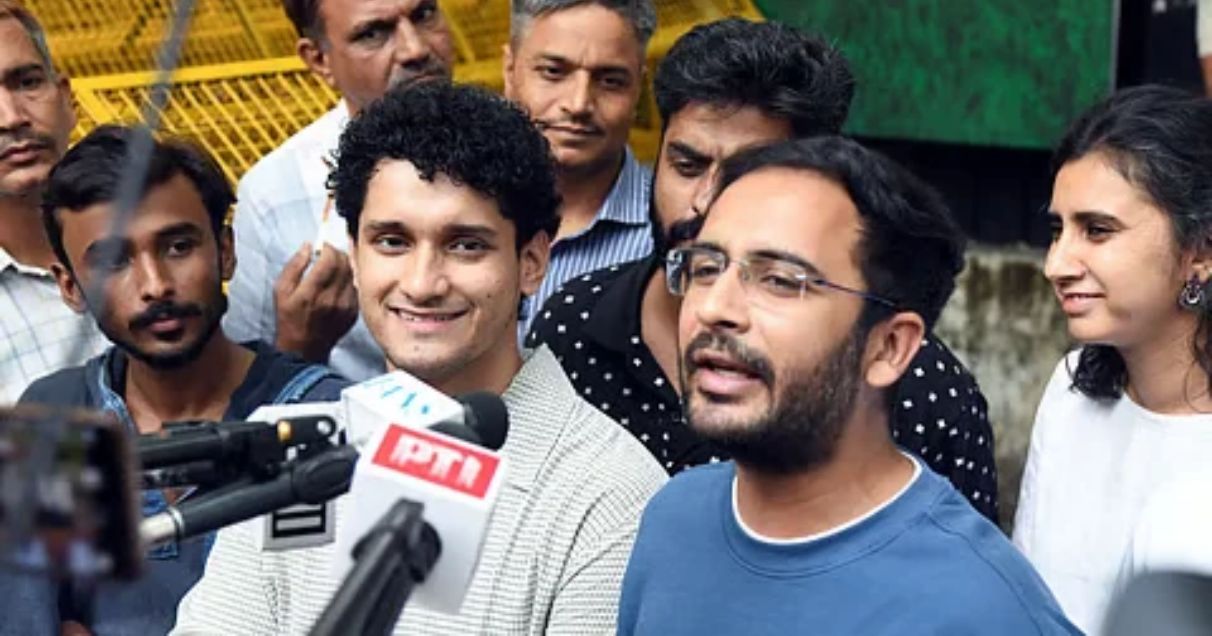
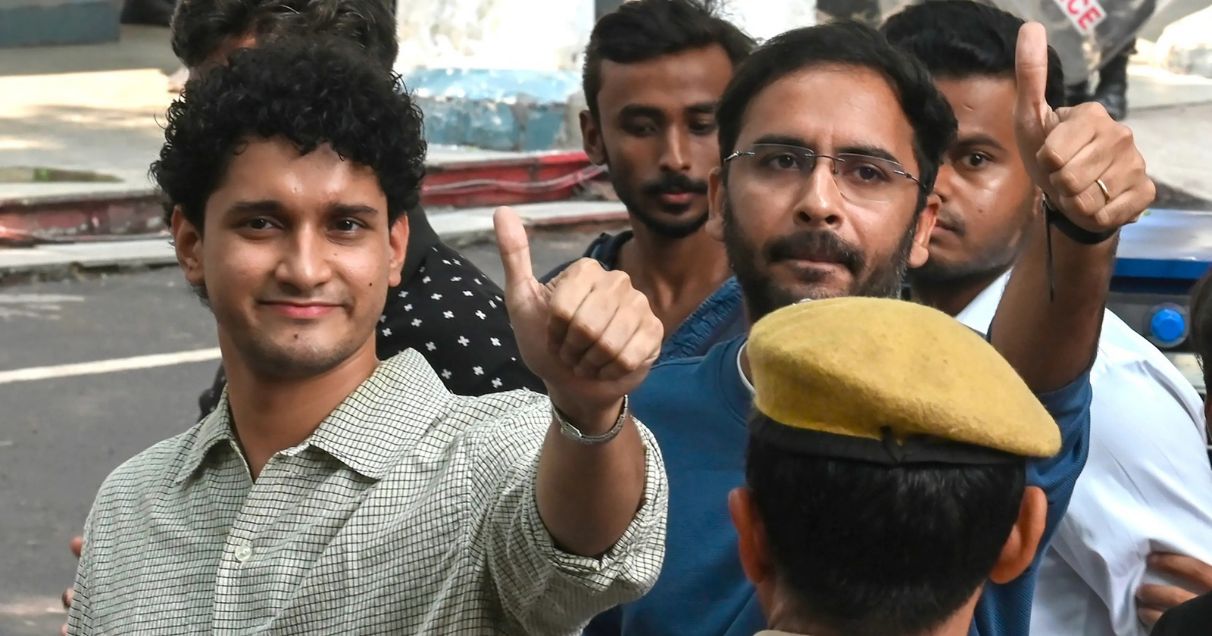
The Central Bureau of Investigation (CBI) has submitted its chargesheet against former judge Giribala Singh and her son Samarth Singh in connection with the death of Samarth’s wife, Twisha Sharma, in Bhopal. The two have been accused of subjecting Twisha to cruelty related to dowry.
Twisha, 33, was found dead at her husband’s residence in Bhopal on May 12, around five months after her marriage. Her family subsequently alleged that she had faced both mental and physical harassment and claimed that attempts were made to interfere with evidence by using the influence of her in-laws.
According to sources, the CBI's 636-page chargesheet invokes provisions dealing with dowry death, cruelty within marriage, abetment of suicide and acts allegedly carried out with a common intention.
SAMARTH SINGH ARRESTED AFTER FIR
Following the registration of the FIR, police began looking for Samarth Singh after he was initially unavailable. He was arrested in Jabalpur on May 22 and subsequently taken to Bhopal.
The investigation was later transferred to the CBI after the Supreme Court took cognisance of the matter and directed that the case be investigated independently. The Madhya Pradesh government had also recommended handing over the probe to the central agency.
During its investigation, the CBI examined Samarth's phone records, digital communications and his movements and activities around the period surrounding Twisha's death.
INJURIES IN POSTMORTEM REPORT EXAMINED
The medical findings became an important part of the investigation. Records placed before the Madhya Pradesh High Court stated that Twisha's postmortem report recorded six injuries on her body, apart from noting hanging as the cause of death.
The injuries raised questions about what had happened before her death. At the request of Twisha's family, a second postmortem was subsequently conducted, with medical and forensic teams examining the circumstances in greater detail.
Investigators also focused on a gymnastics belt recovered during the probe. The CBI examined the belt forensically and investigated whether the sequence of events described by the accused—particularly claims concerning removing Twisha from the hanging position and loosening the belt—could have occurred as stated.
As part of this process, investigators reconstructed the reported circumstances at the residence of Twisha's in-laws.
CHARGES UNDER BNS AND DOWRY LAW
The original FIR was registered three days after Twisha's death. It invoked Sections 80(2), 85 and 3(5) of the Bharatiya Nyaya Sanhita (BNS) along with Sections 3 and 4 of the Dowry Prohibition Act.
The provisions cited in the case relate to dowry death, cruelty against a woman by her husband or his relatives, and acts allegedly carried out with a shared criminal intention.
The CBI has additionally invoked Section 108 of the BNS, which deals with abetment of suicide.
The chargesheet follows an investigation that involved police action, Supreme Court intervention, further medical examination and forensic reconstruction of the circumstances surrounding Twisha Sharma's death.