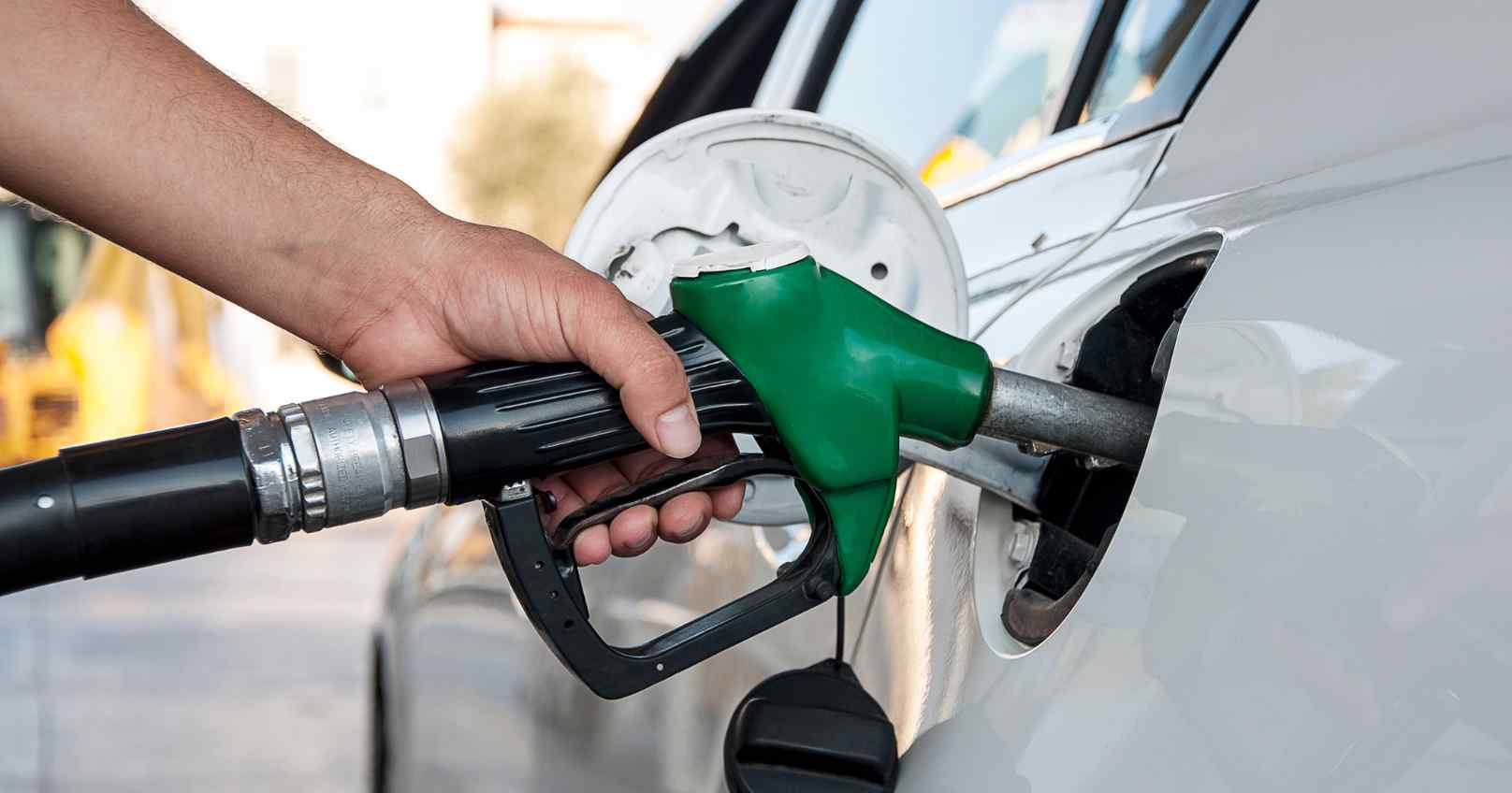
Facing criticism over the introduction of 20% ethanol-blended petrol (E20), the Union government on Tuesday strongly defended the policy, insisting it offers wide-ranging advantages — from lower carbon emissions and reduced crude oil imports to improved vehicle performance.
According to the Ministry of Petroleum and Natural Gas, E20 can deliver up to 30% lower carbon output compared to E10, while also offering better acceleration and smoother rides, particularly in high-compression engines. The ministry acknowledged that some drivers have reported marginal mileage drops or concerns about potential engine wear, but stressed that such issues were anticipated and studied extensively by NITI Aayog and an Inter-Ministerial Committee as early as 2020.
Officials emphasised that fuel efficiency depends on many factors — including driving style, vehicle maintenance, tyre inflation, wheel alignment, and air conditioning use — and noted that any decline in mileage in vehicles designed for E10 has been minimal.
The government highlighted ethanol’s high octane rating (108.5 versus petrol’s 84.4) as a key reason for its performance benefits. Its greater heat of vaporisation cools the intake manifold, increasing air-fuel density and volumetric efficiency, leading to stronger acceleration — particularly useful in stop-and-go urban traffic.
A NITI Aayog analysis found that ethanol derived from sugarcane produces 65% fewer greenhouse gases than petrol, while maize-based ethanol cuts emissions by about 50%. Between Ethanol Supply Year (ESY) 2014–15 and July 2025, public sector oil companies have replaced approximately 245 lakh metric tonnes of crude oil with ethanol, saving over ₹1.44 lakh crore in foreign exchange and avoiding nearly 736 lakh metric tonnes of CO₂ emissions — an impact equivalent to planting 30 crore trees.
For the current year, with E20 blending, farmers are expected to earn around ₹40,000 crore, while forex savings could touch ₹43,000 crore. The government also credited ethanol procurement with supporting rural incomes and reducing farmer distress, especially in suicide-prone regions like Vidarbha.
Addressing fears of mechanical damage, the ministry said E20 is compatible with most vehicles, and in older models, only minor and inexpensive replacements — such as rubber seals or gaskets — might be needed during routine servicing, typically just once in the vehicle’s lifetime.
Though ethanol’s weighted average price remains higher than refined petrol, oil marketing companies have maintained the blending programme due to its long-term energy security, environmental, and rural economic benefits. The ministry also clarified that insurance coverage would remain unaffected for vehicles using E20.
Under the current roadmap, the 20% blending level will stay in place until 31 October 2026. Any decision to move beyond that will depend on further committee evaluations, industry consultations, and a formal government order.
The Centre pointed to Brazil’s successful use of E27 fuel as evidence that higher blends are viable. In that market, carmakers including Hyundai, Toyota, and Honda already produce vehicles fully compatible with such fuel.