A little-known episode from the Cold War era has resurfaced in public discussion, raising fresh questions about a nuclear-powered device that went missing high in the Indian Himalayas nearly six decades ago and may still lie buried in ice near the source of the Ganga.
During the mid-1960s, as concerns grew over China’s emerging nuclear and missile capabilities, US intelligence agencies and India’s Intelligence Bureau secretly collaborated on a high-altitude surveillance operation. Their plan was to place a sophisticated monitoring unit on Nanda Devi, one of India’s tallest peaks, to track activity across the border.
The equipment was designed to run on a radioisotope thermoelectric generator (RTG), which uses heat released from radioactive material—specifically plutonium—to generate electricity. This power source was chosen because it could operate for years in extreme, remote conditions without sunlight or maintenance.
However, the mission ran into trouble when the joint expedition was forced to abandon the device after being caught in severe weather. The team secured the equipment on the mountain and withdrew, intending to recover it later. When climbers returned the following season, the generator had disappeared, believed to have been carried away by an avalanche or sealed under shifting ice and rock.
Despite multiple follow-up searches by Indian and American teams over the years, the device was never found. Officially, neither country has disclosed what ultimately happened to it. Some accounts suggest it may have been discreetly recovered, while others believe it remains trapped somewhere within the glaciers of the Nanda Devi region.
An assessment conducted in the late 1970s by India’s Atomic Energy Commission found no signs of radioactive contamination in nearby water systems, but the survey also failed to locate the missing generator. As a result, uncertainty about its whereabouts persists.
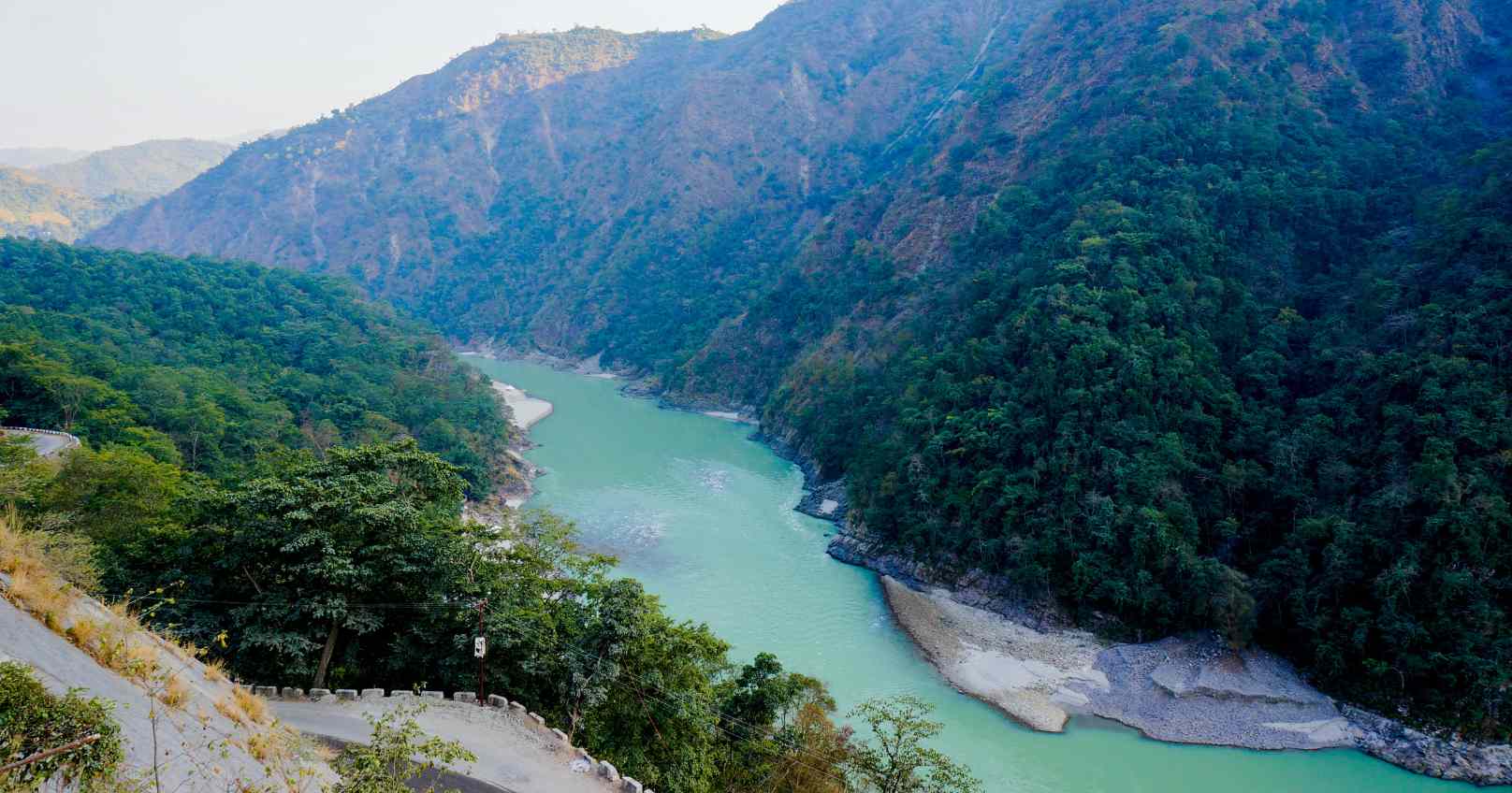
Environmental concerns stem from the fact that glaciers around Nanda Devi feed rivers that eventually merge into the Ganga, a critical water source for millions of people. Specialists note that if the RTG remains intact and sealed, the immediate danger is minimal. However, long-term risks cannot be completely ruled out if its protective casing degrades due to glacial movement, warming temperatures or natural disasters.
With climate change accelerating glacier retreat in the Himalayas and extreme events such as floods and avalanches becoming more frequent, scientists and environmental groups worry that buried hazards from the past could one day be disturbed.
Although no radiation leak has ever been detected, the lost device continues to symbolize an unresolved legacy of Cold War-era decisions—one that blends geopolitics, environmental risk and the vulnerability of one of the world’s most vital river systems.