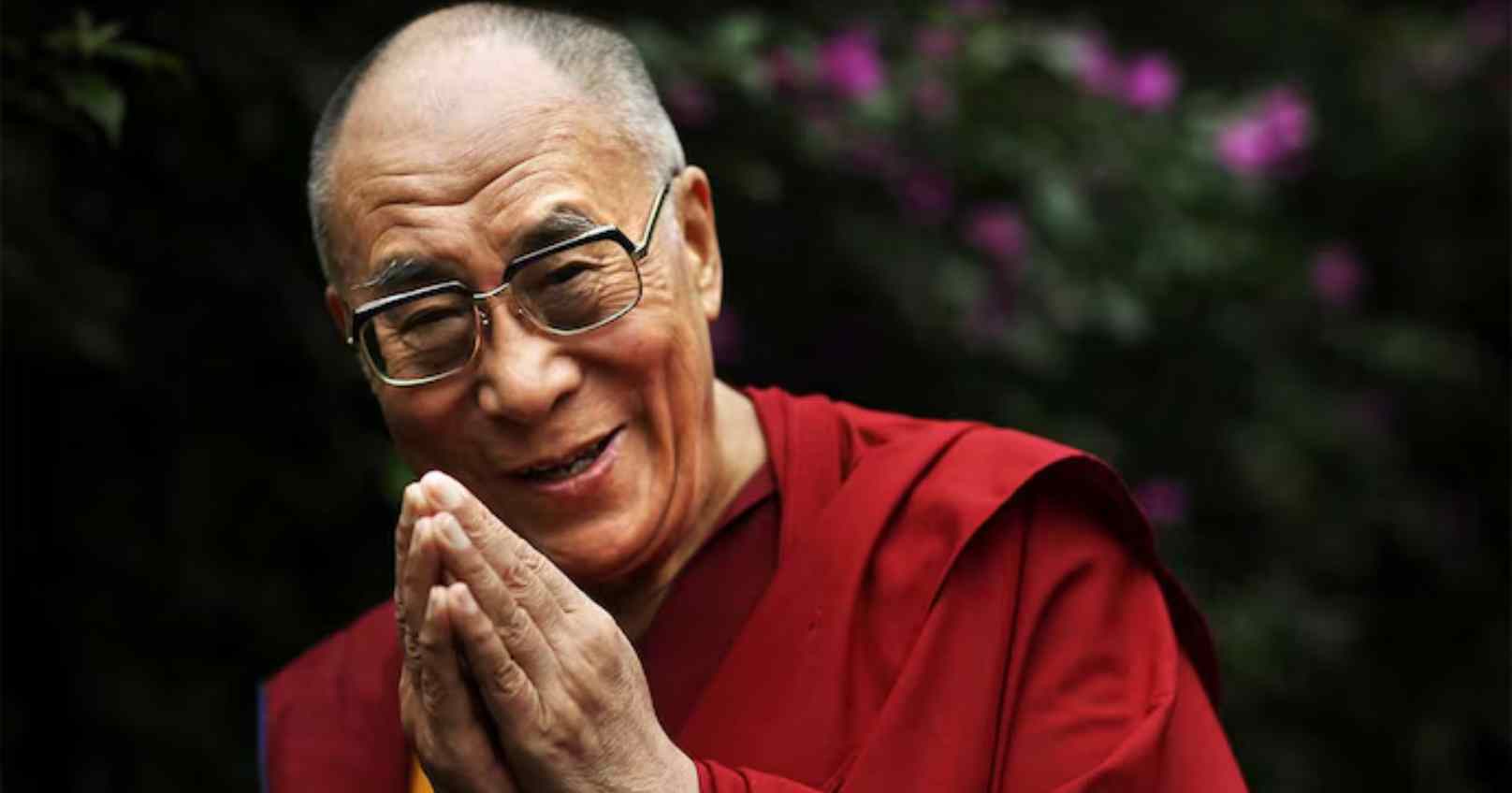
Tibetan spiritual leader the Dalai Lama put an end to widespread speculation about his successor on Saturday, expressing hope that he would live for another 30 to 40 years to continue serving humanity. Speaking at a long life prayer ceremony at the Tsuglagkhang Temple in McLeodganj, the 14th Dalai Lama, Tenzin Gyatso, shared that he sees encouraging signs and feels the blessings of Avalokiteshvara—the bodhisattva of compassion—are with him.
"According to many prophecies and my own experiences, I believe I’m under the care of Avalokiteshvara. I’ve done what I could so far, and with your prayers, I hope to continue living and serving for many more decades,” he told the gathering.
The remarks came a day before his 90th birthday, which is set to be marked with celebrations attended by Union Ministers Kiren Rijiju and Rajiv Ranjan Singh, Arunachal Pradesh Chief Minister Pema Khandu, Sikkim Chief Minister Prem Singh Tamang, and actor and long-time Tibet supporter Richard Gere.
Celebration of a Legacy
The Central Tibetan Administration has organised a weeklong series of commemorative events in Dharamshala to mark the spiritual leader’s milestone. Saturday’s prayer ceremony drew over 15,000 people, including senior monks, devotees, and representatives of various Tibetan Buddhist traditions.
Tenzin Lekshay, spokesperson for the administration, noted the diverse turnout at the Tsuglagkhang Temple, which is the spiritual heart of the Tibetan exile community in India.
The Dalai Lama reflected on his lifelong connection with Avalokiteshvara, which he said he had felt from an early age. “So far, I’ve been able to serve the Buddha’s teachings and the Tibetan people fairly well,” he said. “And I still believe I can live to over 130 years.”
He acknowledged the hardships of living in exile, but expressed contentment in having been able to help others. “Though we lost our homeland, I have still been able to contribute meaningfully to the well-being of many people—especially those living here in Dharamshala.”
From Mao to Nehru: A Life of Encounters
In a moment of recollection, the Dalai Lama recounted his early interactions with political leaders, including Chinese Communist leader Mao Zedong, who once famously told him that “religion is poison.” The spiritual leader recalled Mao’s “evil gaze” during the exchange, to which he responded with compassion rather than confrontation. He also spoke warmly of India’s first Prime Minister, Jawaharlal Nehru, who he met after fleeing Tibet.
Reflecting on humanity, he said, “People come from different mental dispositions and beliefs. But at the core, we all seek happiness and try to avoid suffering—regardless of religious faith or the lack of it.”
No Announcement on Reincarnation Yet
Amid renewed curiosity around the future of Tibetan spiritual leadership, particularly in the context of tensions with China, the Dalai Lama's comments put to rest recent rumours suggesting that he would name his successor during his birthday celebrations.
Penpa Tsering, President of the Central Tibetan Administration, categorically dismissed the speculation. “This is not how the process works. Some people came here thinking an announcement was imminent, but His Holiness has repeatedly said he plans to live for at least another 20 years. There’s no hurry,” Tsering explained.
He clarified that the process of identifying the next Dalai Lama follows deep-rooted traditions and cannot be rushed or made into a political spectacle. “He may eventually provide guidance about his reincarnation, but not in the way people are assuming.”
As the celebrations continue, the message from McLeodganj is one of optimism and continuity. The Dalai Lama, now approaching 90, remains steadfast in his spiritual mission—and committed to the path of compassion and service for years to come.