The Delhi government has discontinued its work-from-home arrangement and staggered office timings for employees, stating that the geopolitical situation in West Asia has stabilised following reports of a ceasefire between the United States and Iran.
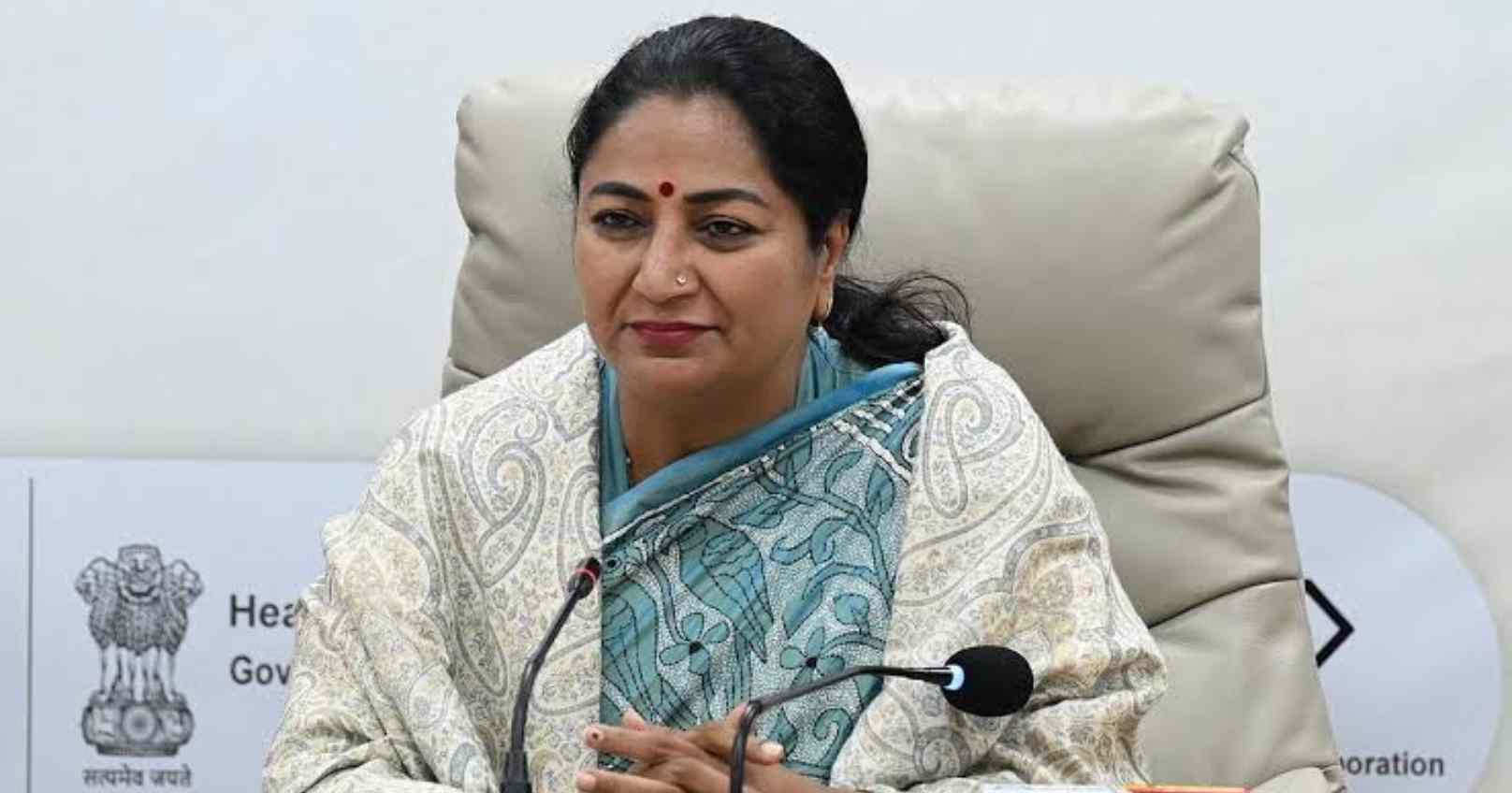
Chief Minister Rekha Gupta approved the decision to withdraw the temporary measures, which had been introduced earlier this year to promote fuel conservation and responsible energy use.
In an official statement, the Chief Minister's Office said the improvement in the international situation had prompted the administration to restore the previous working system. As a result, government employees will now return to their regular office schedule of 10:00 am to 6:30 pm.
The working hours for employees of the Municipal Corporation of Delhi (MCD) remain unchanged, with offices continuing to function from 8:30 am to 5:00 pm.
The hybrid work policy was introduced in May after Prime Minister Narendra Modi urged citizens and institutions to adopt measures that would reduce fuel consumption amid uncertainty caused by the conflict between the US and Iran and its impact on global energy markets.
Apart from allowing employees to work remotely on two days each week, the Delhi government had also implemented several initiatives aimed at conserving fuel and reducing unnecessary travel.
These included conducting around half of all official meetings through virtual platforms, introducing staggered office timings to ease traffic congestion, and reducing the monthly fuel allocation for government officers by 20 per cent. The administration had also suspended the purchase of new government vehicles for a period of six months.
To encourage the use of public transport, the government promoted initiatives such as a weekly "Metro Day" and a voluntary "No Car Day." Additionally, 58 special buses operating across 29 government residential colonies were introduced to make commuting easier for government employees.
The measures were announced after Prime Minister Modi appealed to citizens to adopt more responsible consumption practices during a period of global uncertainty. His suggestions included minimising unnecessary fuel use, using public transport or carpooling, opting for work-from-home wherever possible, postponing gold purchases for a year, and avoiding non-essential foreign travel and overseas destination weddings.
At the time, government officials had clarified that these steps were not austerity measures or mandatory restrictions. Instead, they were intended to encourage prudent spending and efficient resource use while helping the country manage the economic impact of rising energy prices and disruptions to global shipping routes, particularly through the Strait of Hormuz.
Officials also stressed that the objective was not to discourage consumption, but to promote thoughtful spending, considering India's significant dependence on imports of crude oil, edible oil, fertilisers and gold.