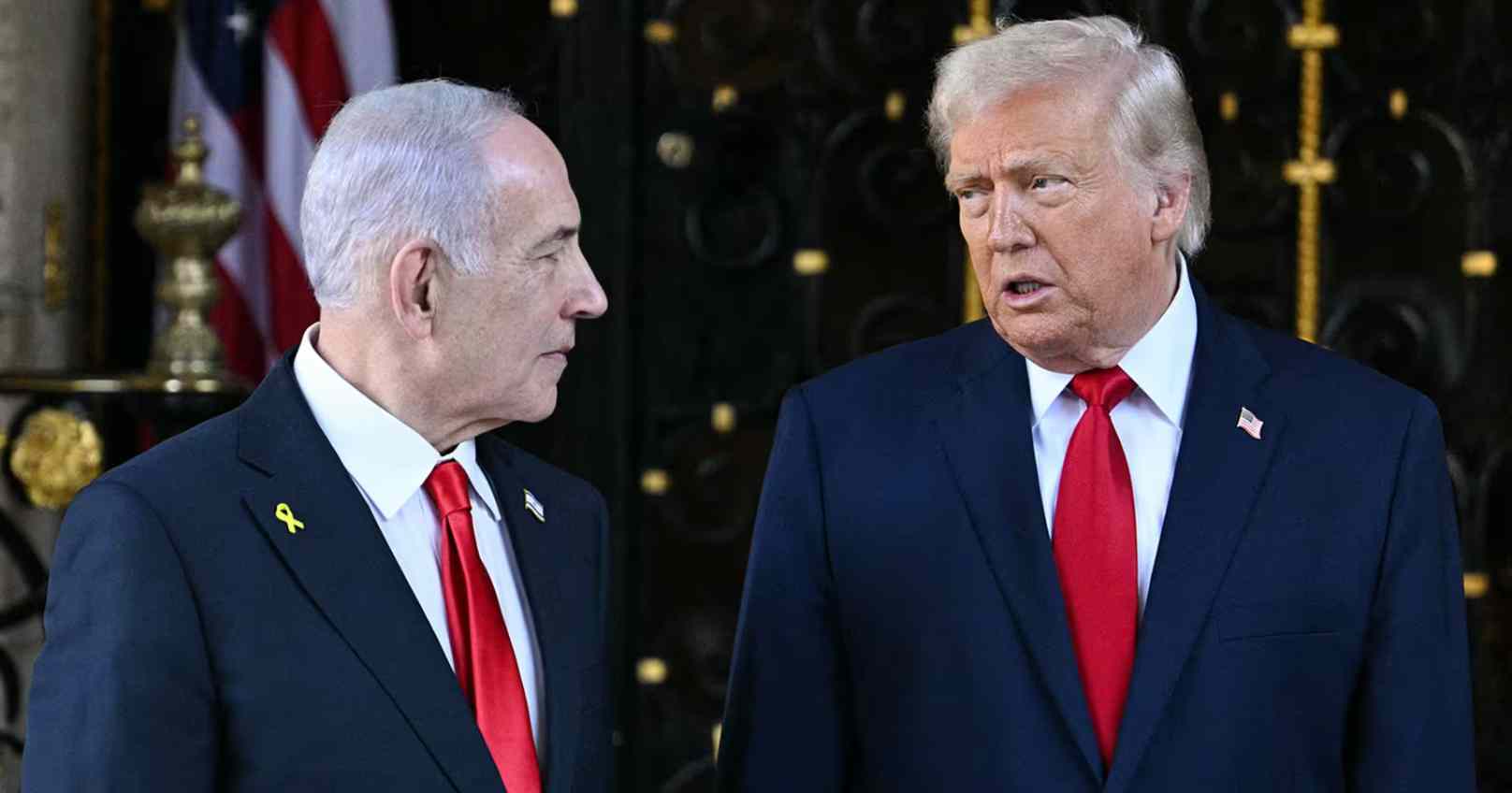
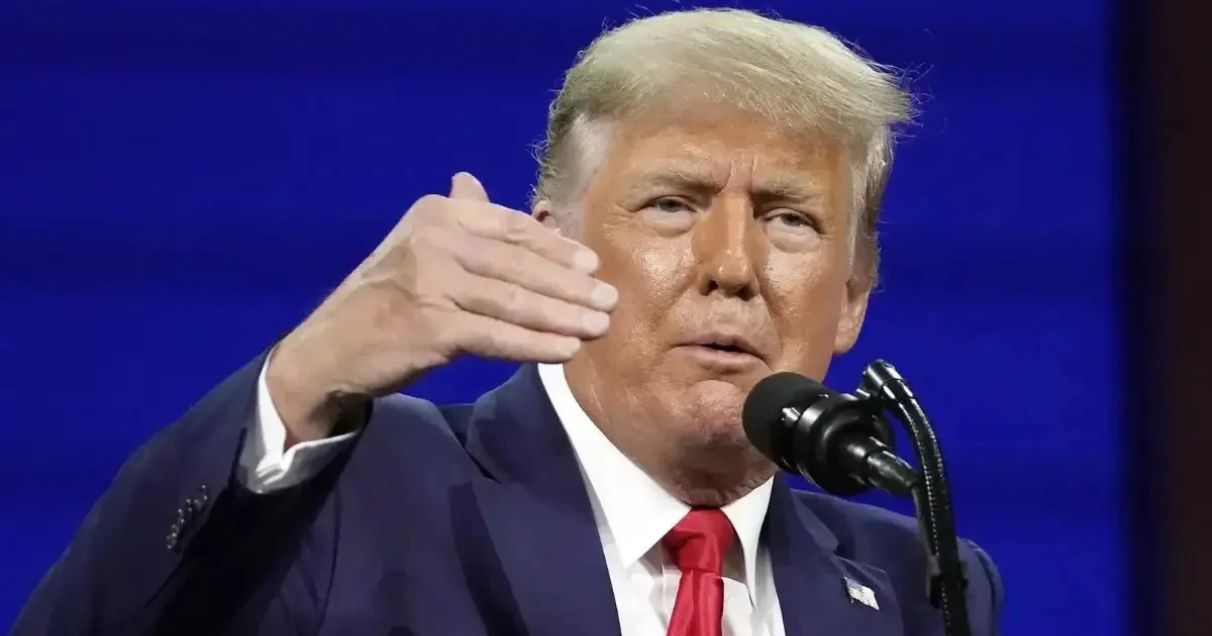
The recent interim agreement between the United States and Iran has triggered intense discussion over its political and strategic consequences for Israeli Prime Minister Benjamin Netanyahu. While US President Donald Trump hailed the arrangement as a diplomatic success, critics argue that Israel may have achieved fewer gains than expected after months of regional confrontation.
For years, Netanyahu has positioned Iran and its allied groups as major security threats to Israel. Military campaigns targeting Iran-linked networks in Gaza and Lebanon were presented as part of a broader effort to reshape the regional balance of power. However, despite significant military operations, many of the challenges Israel sought to address remain unresolved.
Hamas continues to retain influence in parts of Gaza, Hezbollah remains active in Lebanon, and Iran's governing system remains intact despite sustained pressure. These realities have prompted questions within Israel about whether the prolonged conflict delivered the strategic outcomes promised by the government.
Analysts note that the ceasefire negotiations were largely led by Washington, leaving Israel with limited influence over the final arrangement. Reports that Pakistan played a role in facilitating communication between the parties further fueled debate among Israeli observers about their country's role in the diplomatic process.
Another point of contention is that several issues considered critical by Israel reportedly remain unsettled. Iran's missile capabilities and nuclear-related concerns continue to feature prominently in regional security discussions, while the broader political structure in Tehran remains unchanged.
The agreement's provisions relating to Lebanon have also drawn attention. Observers believe the deal could limit future military actions in the country, an outcome that some Israeli political figures view as a setback. In exchange, Tehran is expected to exercise greater restraint over allied groups operating in the region.
The timing of the agreement is particularly significant as Israel prepares for national elections later this year. Netanyahu now faces the challenge of convincing voters that the military campaign enhanced national security despite criticism from rivals who argue that the conflict failed to produce lasting results.
Opposition leaders have seized upon the ceasefire to question the government's strategy, claiming that the costs of the confrontation outweighed its benefits. They argue that key objectives remained unmet and that Israel's international position has become more complicated.
Adding to the pressure are lingering questions surrounding the October 2023 Hamas attack, which exposed major security lapses and continues to influence public debate. Critics maintain that the government has yet to fully address accountability concerns arising from that event.
Despite mounting criticism, Netanyahu continues to defend his approach, insisting that actions taken against Iran reduced serious security threats facing Israel. His supporters argue that weakening hostile networks and demonstrating military resolve remain important achievements.
Whether voters accept that argument will become clearer as the election campaign intensifies. For now, the ceasefire has created a new political challenge for Netanyahu, with supporters highlighting security gains while opponents portray the outcome as evidence of strategic shortcomings.
As Israel heads toward a crucial electoral contest, the aftermath of the Iran conflict is likely to remain a central issue shaping public opinion and political debate across the country.