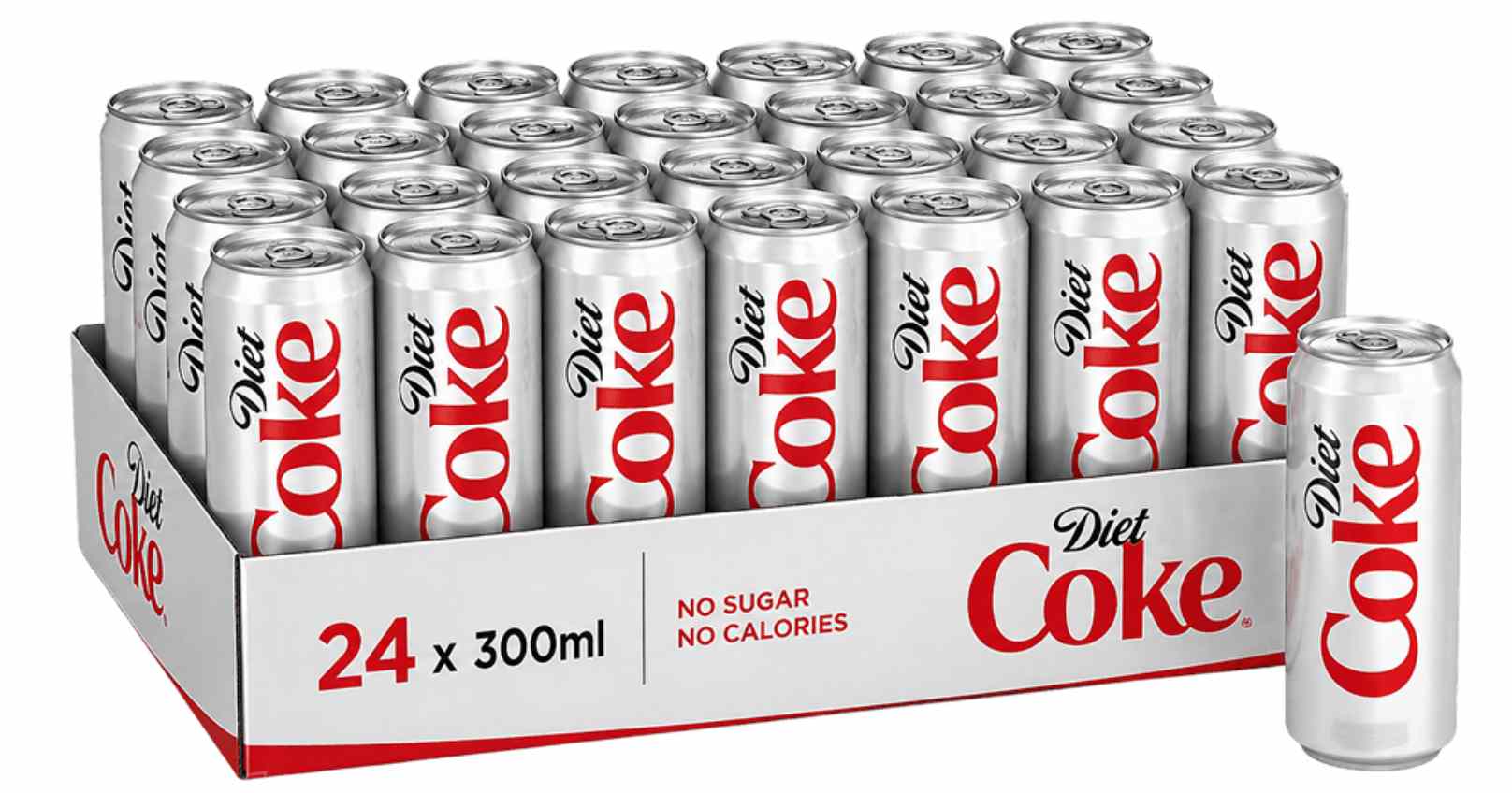
The next time you pick up a can of Diet Coke in India, you may find yourself paying more than you did previously. The increase is reportedly connected to an international supply chain disruption that has affected the availability of aluminium cans.
According to a Reuters report, Coca-Cola has raised the price of Diet Coke in India by more than 10% as the company deals with difficulties in securing its usual supply of aluminium packaging. People familiar with the situation said the beverage maker has turned to suppliers in Southeast Asia for larger cans as regular supplies remain constrained.
The company has not publicly announced the change in its sourcing strategy.
Why aluminium cans have become harder to get
The supply problem is reportedly linked to disruptions around the Strait of Hormuz, a crucial maritime passage through which aluminium cans and related materials are transported to India.
Shipping activity in the region has been affected by the ongoing conflict involving Iran, raising concerns about disruptions to important trade routes. With regular supplies becoming more difficult to secure, companies have been forced to explore alternative sourcing arrangements, potentially increasing packaging and logistics costs.
Why your Diet Coke can is now bigger—and more expensive
Diet Coke's popularity in India is closely tied to its aluminium-can format, making the brand particularly exposed to the packaging shortage.
The widely available 300 ml can, which was priced at ₹40, has reportedly become difficult to obtain. Coca-Cola has instead started offering a 330 ml can priced at ₹50.
Although consumers receive an additional 30 ml, the price per millilitre has still increased by roughly 13.6%.
The pricing shift has not been formally announced by Coca-Cola.
The Reuters report also said that at least one Coca-Cola bottler in India has temporarily introduced Diet Coke in 200 ml glass bottles. However, that option is reportedly more expensive than the canned format.
Why Diet Coke is facing the biggest impact
The shortage has affected Diet Coke more significantly because the beverage is predominantly sold in aluminium cans in the Indian market.
Other products have greater packaging flexibility. Coke Zero, for instance, is available in both cans and plastic bottles, allowing supplies to continue through formats that are less dependent on aluminium packaging.
Most other soft drinks from Coca-Cola and PepsiCo are similarly sold across a mix of plastic bottles, glass bottles and cans. This diversified packaging approach makes them less exposed to a shortage affecting one particular format.
For Diet Coke consumers, however, the combination of disrupted shipping routes, tighter aluminium can availability and higher sourcing costs appears to be translating directly into a more expensive drink.