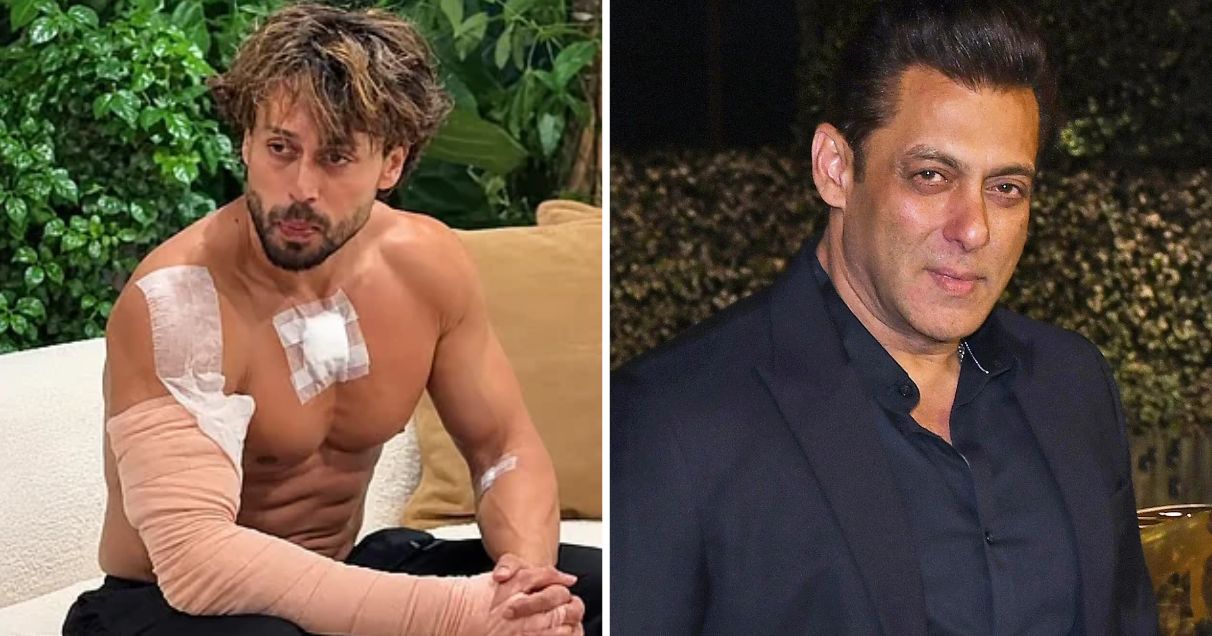
The Central Bureau of Investigation (CBI) has named several prominent figures in its FIR in the Disha Salian death case, including actors Sooraj Pancholi, Rhea Chakraborty and Dino Morea.
However, the presence of their names in the FIR does not mean that they have been declared accused in the case.
The CBI registered the FIR after the Bombay High Court ordered a fresh investigation into Salian's death. The agency is now examining the allegations and the circumstances surrounding her death.
Why are the actors' names in the FIR?
The names of Pancholi, Chakraborty and Morea appear in material linked to the complaint filed by Disha Salian's father, Satish Salian.
The complaint alleges that Disha was raped and murdered and that evidence related to the alleged crime was subsequently suppressed or manipulated.
Advocate Nilesh Ojha, representing Satish Salian, has also alleged a larger conspiracy involving several individuals.
The allegations are part of the material being investigated by the CBI and have not been established as facts by the agency.
Does being named mean they are accused?
No.
An FIR records information about an alleged offence and sets the criminal investigation in motion. A person's name appearing in an FIR does not automatically establish that the person is an accused or has committed the alleged offence.
The CBI will examine the evidence and determine the role, if any, of the people named during the investigation.
The FIR invokes provisions of the Indian Penal Code, including Sections 376D, 302, 201, 217 and 218, read with Section 120B, relating to offences including gang rape, murder, destruction of evidence and criminal conspiracy.
What did Sooraj Pancholi say?
After his name surfaced in connection with the CBI FIR, Sooraj Pancholi denied the allegations and said he had no connection with the circumstances surrounding Disha Salian's death.
Rhea Chakraborty and Dino Morea have also been named in the FIR, although the CBI has not established any criminal role against them at this stage.
The agency's investigation will determine whether there is evidence linking any of the individuals mentioned in the case to the alleged offences.
Why was the case reopened?
Disha Salian, 28, died on June 8, 2020, after falling from a high-rise building in Mumbai's Malad area.
Her death occurred less than a week before actor Sushant Singh Rajput died on June 14.
Mumbai Police had treated Salian's death as a suicide. A subsequent Maharashtra SIT investigation also reported that it had found no evidence of foul play.
Salian's father later approached the Bombay High Court, challenging the earlier investigation and seeking a fresh probe.
On September 2, the Bombay High Court directed the CBI to investigate the case. The agency subsequently registered an FIR on September 13.
What will the CBI investigate?
The CBI is expected to revisit the circumstances surrounding Salian's death and examine evidence collected during the earlier investigation.
This includes police records, forensic material, post-mortem documents, statements of witnesses and the actions of officials who were involved in the original probe.
The agency will also examine allegations made by Salian's family and assess whether the available evidence supports them.
Who is leading the CBI probe?
The investigation is being handled under CBI officer Seema Pahuja, Superintendent of Police with the agency's Special Crime Unit in Delhi.
Pahuja has previously been associated with several high-profile investigations, including the Hathras and Unnao cases, the RG Kar hospital case and the Gudiya rape-murder case.
She was awarded the Best Investigating Officer gold medal in 2021.
What happens next?
The CBI will now collect and examine evidence before deciding whether any individual should face criminal proceedings.
For the actors and other people whose names appear in the FIR, being mentioned in the document does not by itself amount to an accusation or establish guilt.
The investigation will determine whether the allegations are supported by evidence and whether any further legal action is warranted.