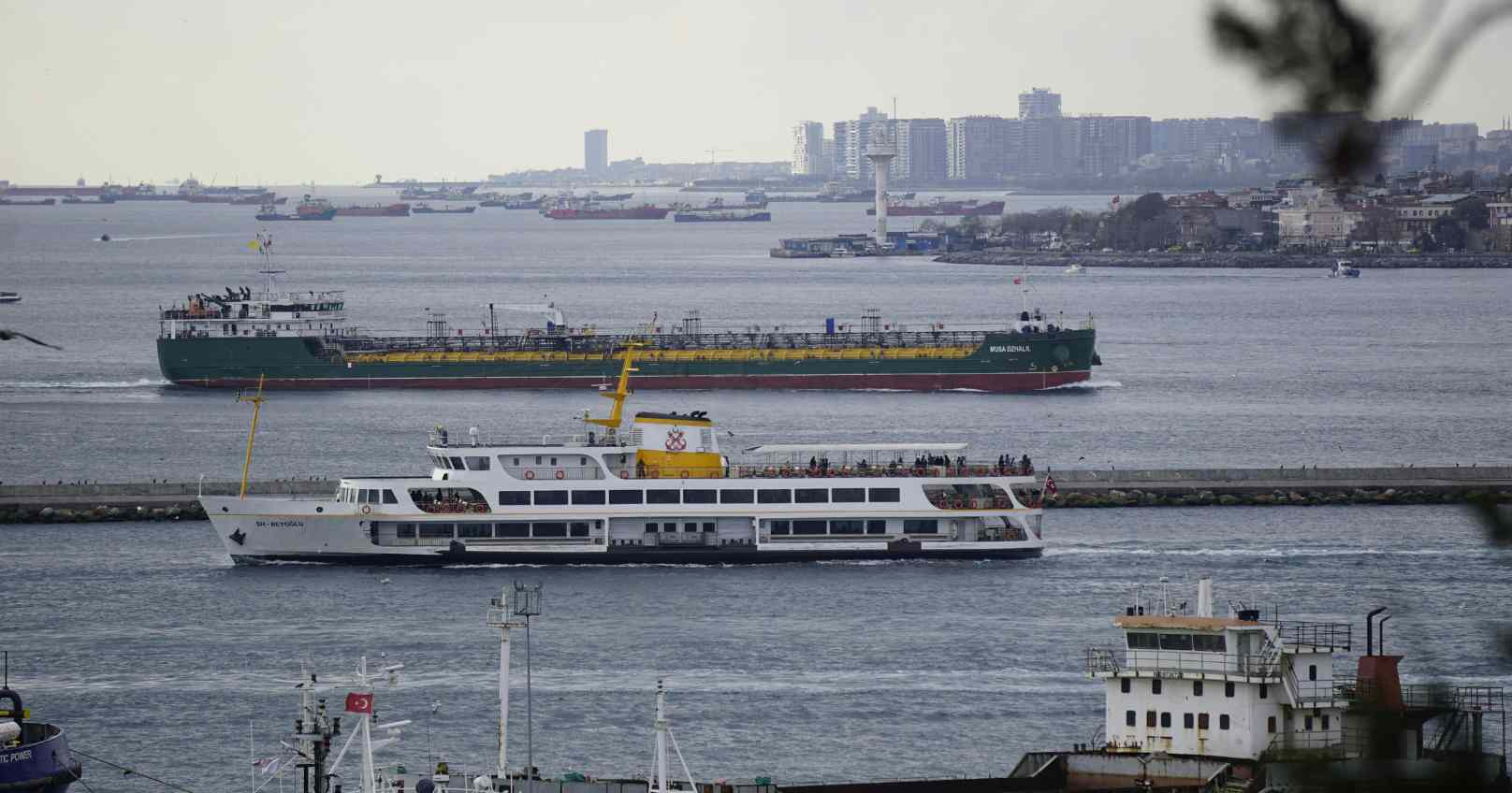
Two Indian-registered oil tankers were compelled to reverse course in the Strait of Hormuz after Iranian gunboats reportedly fired warning shots, intensifying uncertainty in a waterway vital to global energy supplies. Officials confirmed that no crew members were injured and the vessels sustained no physical damage.
A recorded distress transmission from one of the ships has since surfaced, revealing the confusion that unfolded at sea. In the brief audio clip circulated by maritime tracking firm TankerTrackers, a crew member aboard the tanker Sanmar Herald can be heard addressing Iran’s naval forces.
In the message, the crew member references prior clearance to proceed through the channel and requests permission to turn back as gunfire begins. The exchange underscores the tense atmosphere during the encounter.
The second tanker involved was identified as Jag Arnav. Reports suggest both vessels withdrew without completing their transit through the strait, which handles nearly 20% of the world’s oil and gas shipments.
According to international media reports, the Sanmar Herald was navigating within a designated “Green Area” of the strait at the time of the incident. Tracking data indicated that the ship briefly switched off its Automatic Identification System (AIS) while moving eastward before restoring the signal.
Diplomatic Response from India
Following the episode, India summoned Iran’s Ambassador, Dr Mohammad Fathali, to convey its strong concern. The Ministry of External Affairs emphasised the importance of safeguarding commercial shipping and seafarers, particularly given Iran’s earlier assurances about facilitating safe passage for India-bound vessels.
Officials urged Tehran to ensure the uninterrupted movement of merchant ships through the strategic passage at the earliest. The ambassador reportedly assured Indian authorities that the matter would be conveyed to officials in Tehran.
Renewed Uncertainty in the Gulf
The latest disruption comes amid shifting positions by Iran regarding access to the strait. After initially signalling a reopening following a temporary ceasefire linked to the Israel-Hezbollah conflict, Iranian authorities later reinstated tight controls, citing tensions with the United States.
Iran’s military command announced that oversight of the strait had returned to a stricter security posture. In a warning issued through state-linked channels, vessels approaching the area were cautioned against violating imposed restrictions.
The renewed volatility has heightened global concerns about energy markets and maritime safety, as shipping companies weigh risks in one of the world’s most strategically sensitive waterways.