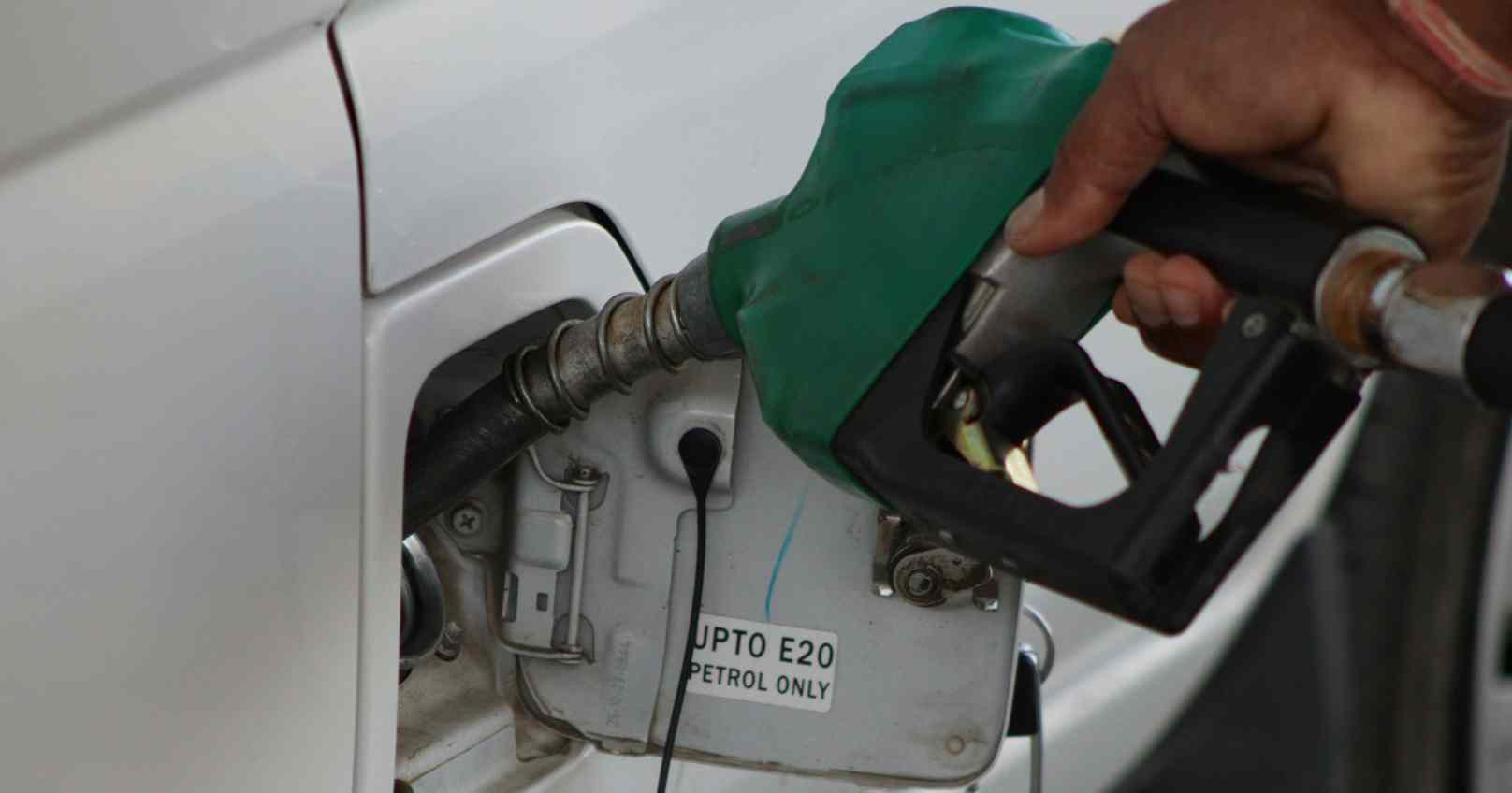
The ongoing controversy surrounding India's mandatory E20 petrol rollout has taken a fresh turn after activists accepted Union Minister Nitin Gadkari's public challenge to produce evidence that ethanol-blended fuel has damaged vehicles.
A day after Gadkari said critics should identify even one person whose vehicle was affected solely because of E20 fuel, activist and entrepreneur Tehseen Poonawalla claimed that six such vehicle owners are ready to meet the minister. However, he said the meeting should take place in the presence of the media and be broadcast live.
In a video message, Poonawalla stated that his group, Team Bharat, had identified several motorists who allege their vehicles developed mechanical issues after using E20 petrol. He claimed they were willing to present their cases directly to the minister but were unable to approach his residence after police reportedly advised them against doing so.
Appealing for an official appointment, Poonawalla urged Gadkari or the authorities to facilitate a meeting where the affected vehicle owners could share their experiences publicly. According to him, transparency is essential to settle the ongoing debate.
The controversy gained momentum after Gadkari, during a television interview, defended the government's ethanol-blending programme and dismissed allegations that E20 fuel was responsible for damaging vehicles. He challenged critics to produce even a single verified case in which ethanol alone caused a vehicle to fail. The minister also said that if such evidence were presented, the government would investigate the matter and provide appropriate relief if necessary.
Responding to allegations of a conflict of interest linked to his family's involvement in the ethanol industry, Gadkari maintained that his financial stake was negligible and denied receiving any significant benefit from the government's ethanol policy.
Poonawalla rejected that explanation, arguing that the minister's family's business interests should be openly discussed as part of the larger debate surrounding ethanol production and policy implementation.
The disagreement centres on India's Ethanol Blended Petrol (EBP) programme, which aims to reduce crude oil imports, support farmers by increasing demand for ethanol feedstock and lower vehicle emissions. Although the National Policy on Biofuels originally targeted 20% ethanol blending by 2030, the government achieved nationwide E20 availability ahead of schedule.
Supporters of the programme argue that ethanol-blended fuel offers environmental benefits and can improve combustion in engines designed to use it. However, many motorists have reported reduced fuel efficiency, increased maintenance costs and mechanical issues after switching to E20, particularly in older vehicles not originally designed for higher ethanol blends.
Concerns have also been raised over the compatibility of E20 with vehicles built for E10 fuel. Reports citing technical studies have suggested that prolonged use of higher ethanol blends may affect certain rubber components in older fuel systems, though official findings have not been publicly released.
Social media has amplified these concerns, with users sharing videos and personal accounts alleging reduced mileage, rough engine performance and fuel system problems. Critics argue that while they are not opposed to ethanol blending itself, the nationwide rollout should better account for the large number of vehicles that are not fully compatible with E20 fuel.
The government, meanwhile, has maintained that properly maintained vehicles and manufacturer-approved models can safely use E20 petrol. With activists now seeking a public meeting to present their evidence, the dispute over ethanol-blended fuel is likely to remain at the centre of public debate in the coming weeks.