It turned into a counting day packed with political surprises across several states. Early trends from the Election Commission suggest sweeping changes in some regions, while fresh faces and new parties made striking breakthroughs elsewhere.
In West Bengal, the BJP appears poised to form a government in the state for the first time, racing well past the halfway mark in the 294-member Assembly. Trends show the party ahead in around 200 seats, comfortably above the majority figure of 147. The Trinamool Congress (TMC), led by Chief Minister Mamata Banerjee, is trailing far behind, hovering around the 90-seat mark.
If the numbers hold, it would signal a dramatic reversal from the 2021 election when the TMC had secured a dominant mandate. The BJP’s campaign this time centred on allegations of deteriorating law and order, unemployment and stalled development. Senior leaders, including Prime Minister Narendra Modi and Home Minister Amit Shah, framed the contest as a decisive moment for governance and public safety. The issue of alleged illegal immigration and the recent revision of electoral rolls also featured prominently in the political narrative.
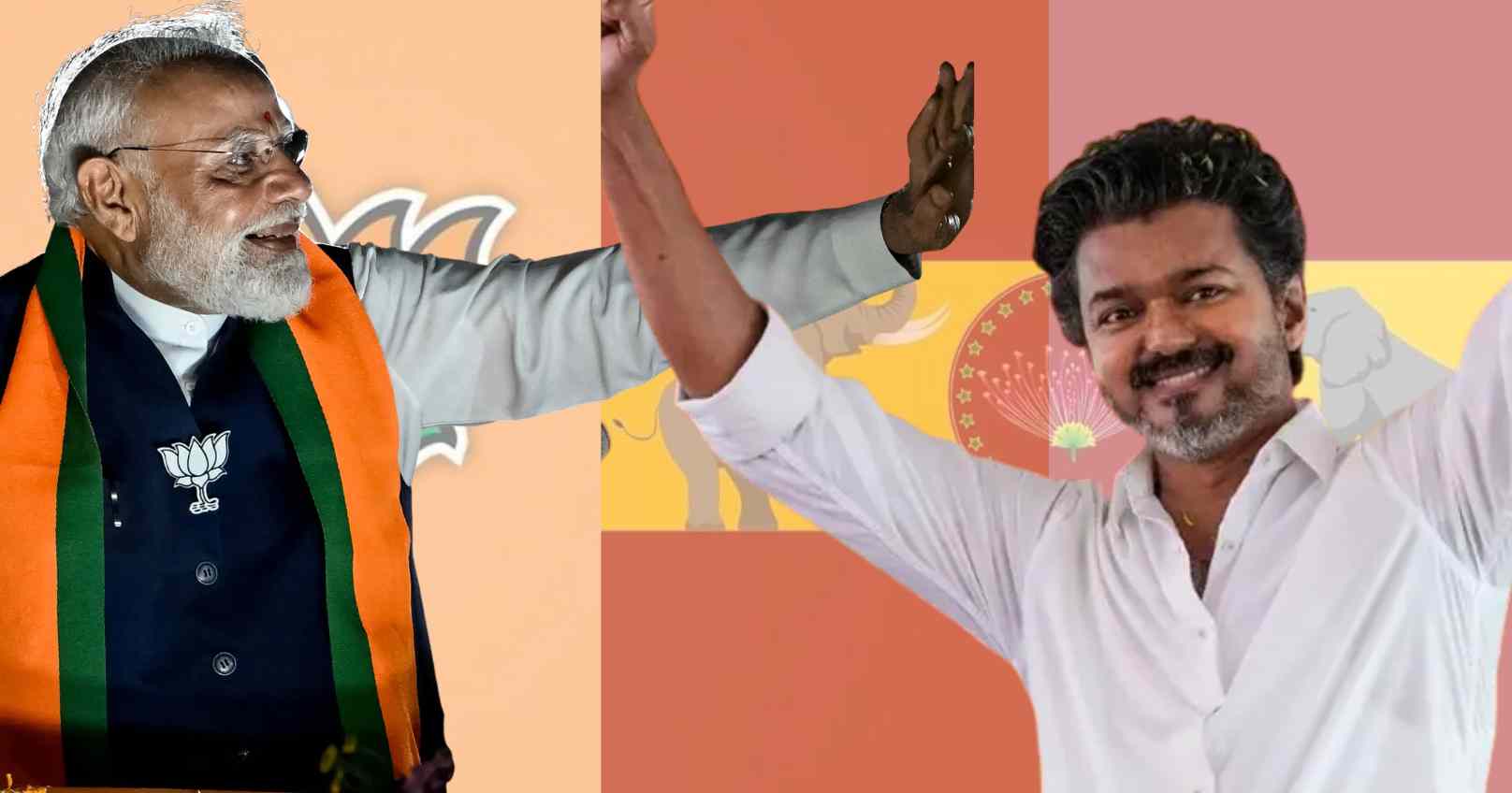
In Tamil Nadu, the political landscape has been shaken by the emergence of Tamilaga Vettri Kazhagam (TVK), founded by actor Vijay. In its maiden electoral battle, the party is leading or winning in close to 110 of the state’s 234 seats, nearing the 118 required for a simple majority. TVK candidates have reportedly been moved to a secure location amid concerns over potential defections.
The ruling DMK is trailing in second place with over 70 seats, while the AIADMK has crossed the 50-seat mark. The BJP remains marginal in the state tally. Vijay himself is leading in both Perambur and Tiruchirappalli East, reinforcing his strong debut. Pre-poll surveys had been divided, though at least one exit poll had predicted a strong entry for TVK.
In Assam, the BJP has crossed the majority threshold of 64 seats, while the broader NDA alliance is set to surpass 100 seats in the 126-member Assembly. This performance would mark the alliance’s strongest showing in the state so far, putting Chief Minister Himanta Biswa Sarma on track for another term. The BJP campaign highlighted regional identity, border concerns and cultural preservation.
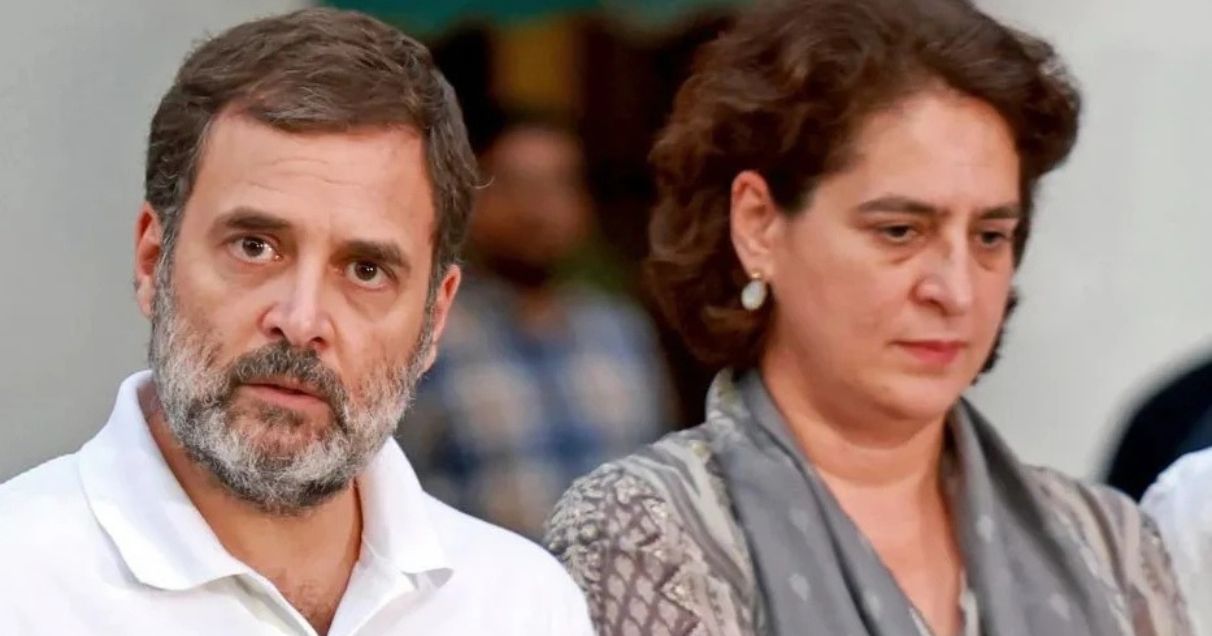
Meanwhile, the Congress-led opposition struggled to keep pace. In a significant setback, state Congress chief Gaurav Gogoi lost the Jorhat seat to the BJP by a sizable margin.
Kerala also delivered a notable outcome. The Congress-led United Democratic Front (UDF) has moved past the 71-seat majority line and is edging toward triple digits, preventing the ruling Left Democratic Front (LDF) from securing a third straight term. The BJP is projected to win three seats — its best tally yet in the state — with key leaders in tight contests across constituencies.
In Puducherry, the All India NR Congress (AINRC) has secured nine seats and is leading in additional constituencies, positioning itself strongly in the Union Territory. The BJP and the DMK-Congress alliance have also picked up a handful of seats each.
Alongside these state contests, bypoll results from Karnataka, Maharashtra, Gujarat, Nagaland and Tripura are also being declared, with victories split among BJP and Congress candidates depending on the region.
With record voter participation reported in several states, the results reflect a mix of anti-incumbency sentiment, new political equations and the rise of fresh leadership. If the trends translate into final results, India’s political map could see significant realignments in multiple states.