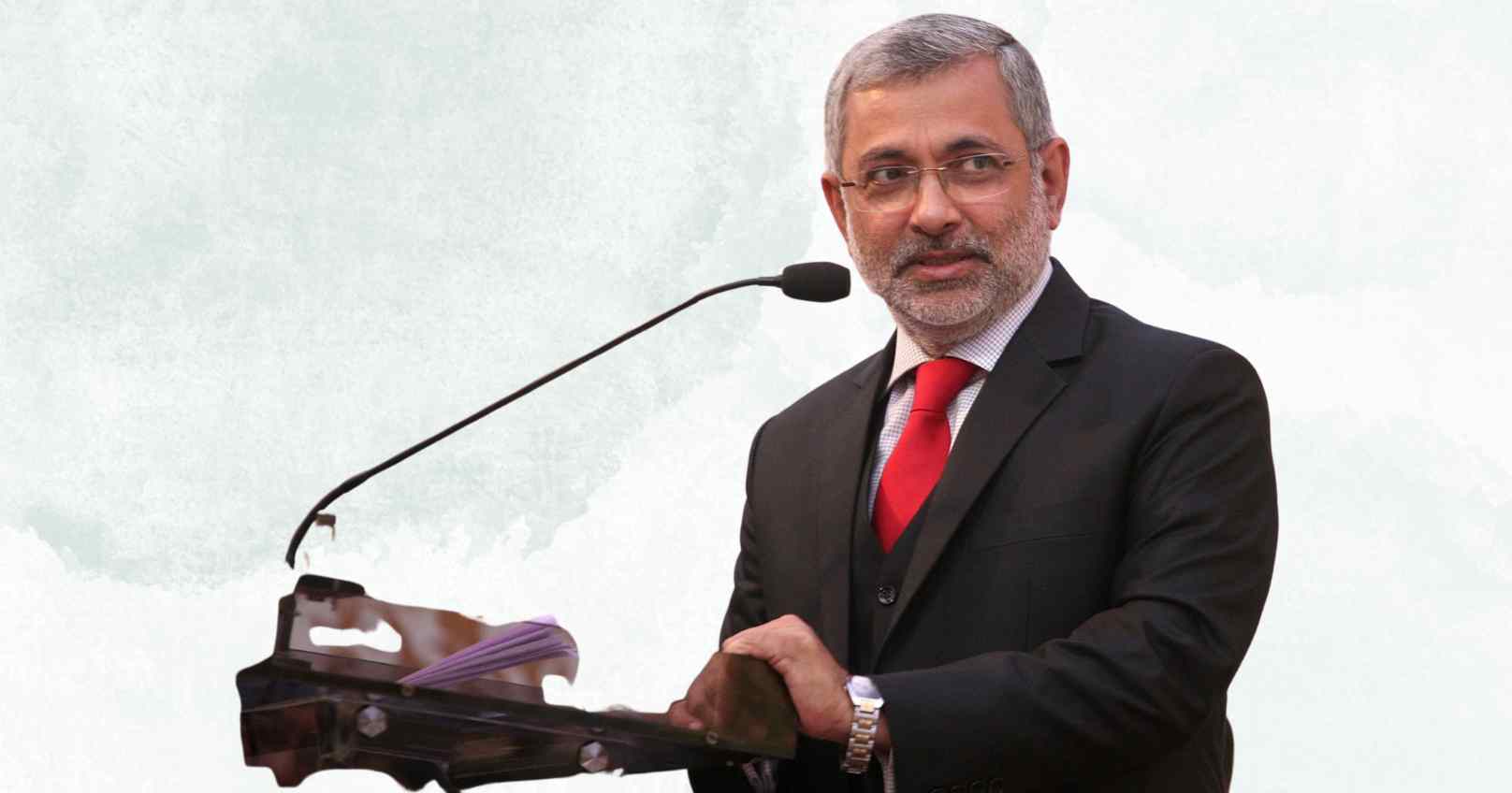
Former SC Judge Kurian Joseph to Lead Tamil Nadu’s Autonomy Review Panel
The Tamil Nadu government has set up a high-level committee led by former Supreme Court judge Justice Kurian Joseph to explore ways to strengthen state autonomy
01-05-2025

In a significant move aimed at reinforcing Tamil Nadu’s role within India’s federal structure, Chief Minister M.K. Stalin has constituted a high-powered committee to assess and recommend ways to strengthen state autonomy. The panel will be headed by retired Supreme Court judge Justice Kurian Joseph, known for his emphasis on judicial accountability and federal values.
This initiative comes at a time when relations between the state and the central government have grown increasingly strained. Among the key triggers was a recent Supreme Court verdict that criticized the Tamil Nadu Governor for unilaterally withholding assent to several state bills—labeling the act as “unconstitutional” and lacking justification.
The newly formed committee has been tasked with conducting a comprehensive review of existing constitutional provisions, laws, and institutional practices that shape Centre-State relations. A key focus area will be examining the transfer of subjects from the State List to the Concurrent List, and proposing ways to reverse such trends where appropriate.
In addition to legislative concerns, the committee will explore administrative and financial challenges that have eroded the decision-making powers of the state over time. The aim is to develop a set of recommendations that empower Tamil Nadu to function with greater independence while staying aligned with the broader principles of the Indian Constitution.
Justice Kurian Joseph’s leadership is expected to lend both credibility and depth to the process. The panel also includes senior former civil servants and legal experts who bring decades of experience in governance and constitutional law.
The committee will work in phases and is expected to submit an interim report by January 2026, followed by a final set of recommendations by 2028. These findings are likely to inform future policy directions, not just for Tamil Nadu, but possibly for other states seeking greater autonomy within India's federal system.


The Delhi High Court reserved its order on AISA president Neha Bora’s challenge to a Rs 10,000 pea
Read More
Bench Sets Aside Attachment Of Pune And Nagpur Properties, Says Transactions Were Lawful And Finds N
Read More
AISA president Neha Bora has moved the Delhi High Court against a police notice requiring her to fur
Read More