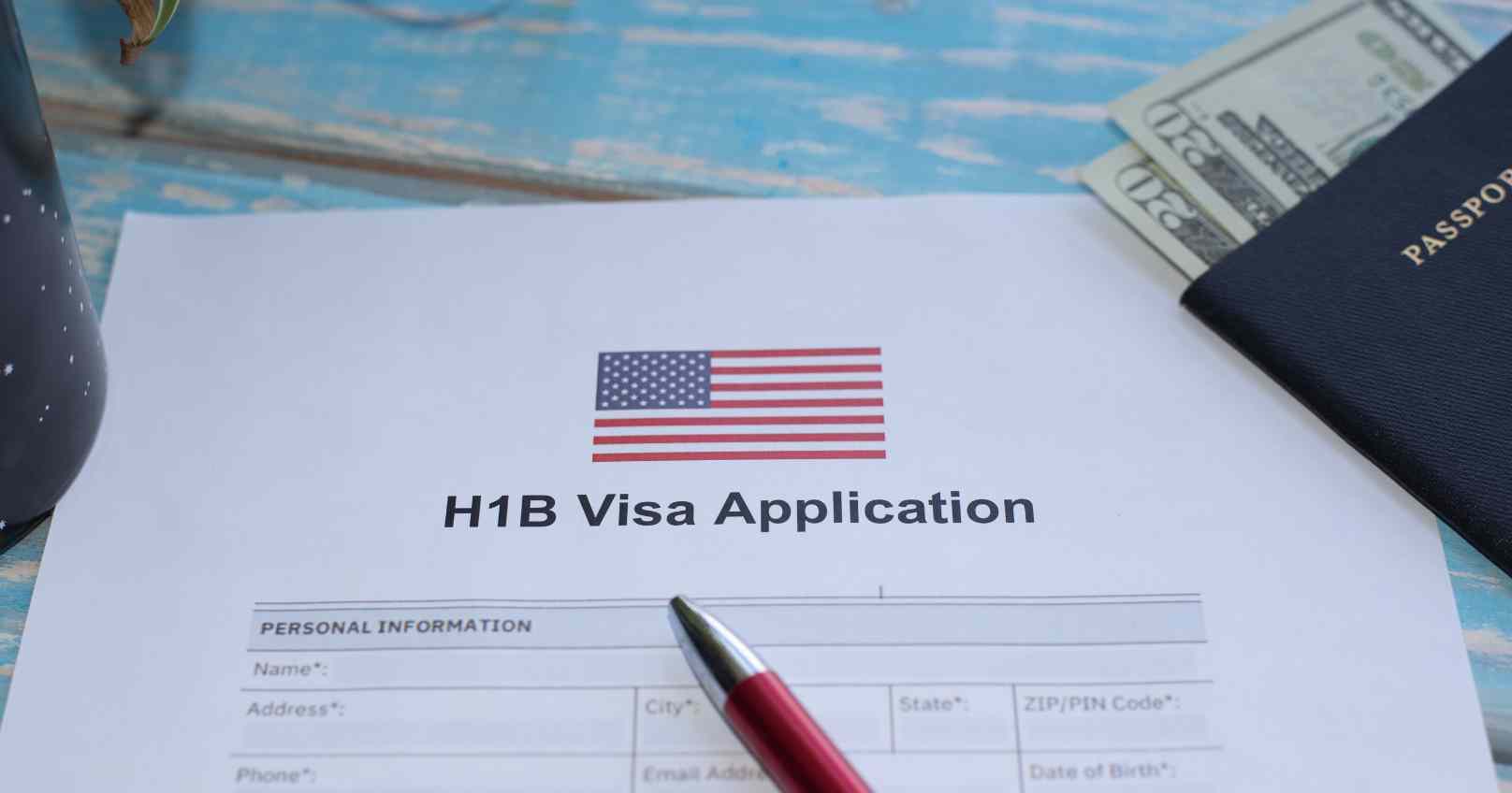
A mounting backlog at US diplomatic missions in India has turned routine H-1B visa stamping into a prolonged ordeal, with interview dates now being pushed well into 2027. Immigration specialists and media reports say the delays are affecting thousands of Indian professionals, many of whom are separated from their families or unable to resume jobs in the United States.
The problem first emerged in late 2025, when appointments scheduled for December were shifted to early 2026. Since then, dates have repeatedly been deferred—from March to October 2026, and now into 2027—leaving applicants with little certainty or clarity.
Immigration attorneys warn that the situation shows no signs of easing. Many are advising H-1B holders currently working in the US to avoid travelling to India for stamping, as return timelines have become unpredictable. Houston-based immigration lawyer Emily Neumann told The Times of India that she has not seen fresh interview slots open for Indian applicants in weeks. According to her, professionals already in the US should reconsider even attempting to schedule stamping appointments in India.
Another immigration lawyer quoted by American Bazaar said standard appointments have virtually disappeared until 2027, with even confirmed interview dates being abruptly cancelled and reassigned more than a year later.
What triggered the backlog?
Consulates in Delhi, Mumbai, Chennai, Hyderabad and Kolkata have reportedly exhausted regular appointment slots, forcing officials to reschedule interviews by as much as 18 months. The bottleneck is widely attributed to a policy change introduced in mid-December 2025, which made social media screening mandatory for employment-based visa applicants. This additional layer of scrutiny has significantly slowed processing capacity.
Further worsening the situation, the US State Department has discontinued the option for Indian nationals to seek visa stamping in third countries, pushing all demand back to Indian missions. Applicants who had planned interviews in early 2026 are now receiving emails assigning new dates in late 2026 or 2027—an unprecedented shift, according to legal experts.
As a result, many H-1B holders who travelled to India for stamping are now unable to return to the US, as their interview dates continue to be postponed repeatedly.
Human and professional fallout
Online forums and social media platforms are flooded with complaints from affected applicants. Many have shared screenshots of rescheduling notices showing their interviews pushed back by over a year. Several report being stranded in India while spouses, children and jobs remain in the US, causing emotional strain and financial uncertainty.
Immigration lawyers warn that extended stays outside the US could jeopardise visa extensions, especially as employers may be reluctant to restart H-1B filings under the current fee structure introduced during the Trump administration. With application costs reportedly reaching six figures, companies may hesitate to refile for employees stuck abroad.
Impact on US employers
American businesses—particularly in technology, healthcare and education—are already feeling the effects. Prolonged absences of skilled workers disrupt long-term projects and increase operational costs. Indian IT giants with major US operations, including TCS, Wipro and Tech Mahindra, are reportedly adjusting hiring strategies to prioritise local talent.
Some firms have experimented with remote work arrangements for stranded employees, but immigration rules severely limit such options. While companies like Amazon have temporarily allowed remote work from India, such measures are seen as stopgaps rather than long-term solutions.
With no indication of when additional interview slots might open, experts fear the backlog could erode the US’s appeal as a destination for global talent. As other countries streamline skilled-worker visa pathways, uncertainty around the H-1B process continues to take a growing toll—both professionally and personally—on thousands of families.