Hormuz and the burden of recklessness
Escalating conflict in the Gulf is disrupting a critical energy route, driving up costs and raising concerns for economies like India
18-03-2026

Escalating conflict in the Gulf is disrupting a critical energy route, driving up costs and raising concerns for economies like India
18-03-2026When conflict disturbs a vital energy corridor, the consequences travel far beyond the battlefield.
There are moments in world affairs when the use of force is followed almost immediately by the spread of consequence. This is one of them.
What has unfolded in and around the Gulf is no longer merely a military development or a regional flashpoint. It is a reminder that when conflict disturbs a vital energy corridor, the effects do not remain confined to missiles, maps, and official statements. They travel outward into prices, shipping risk, insurance costs, inflation, currency pressure, and shaken confidence. In an interdependent world, instability in one narrow corridor can become economic strain across continents.
HORMUZ: THE ARTERY OF ENERGY
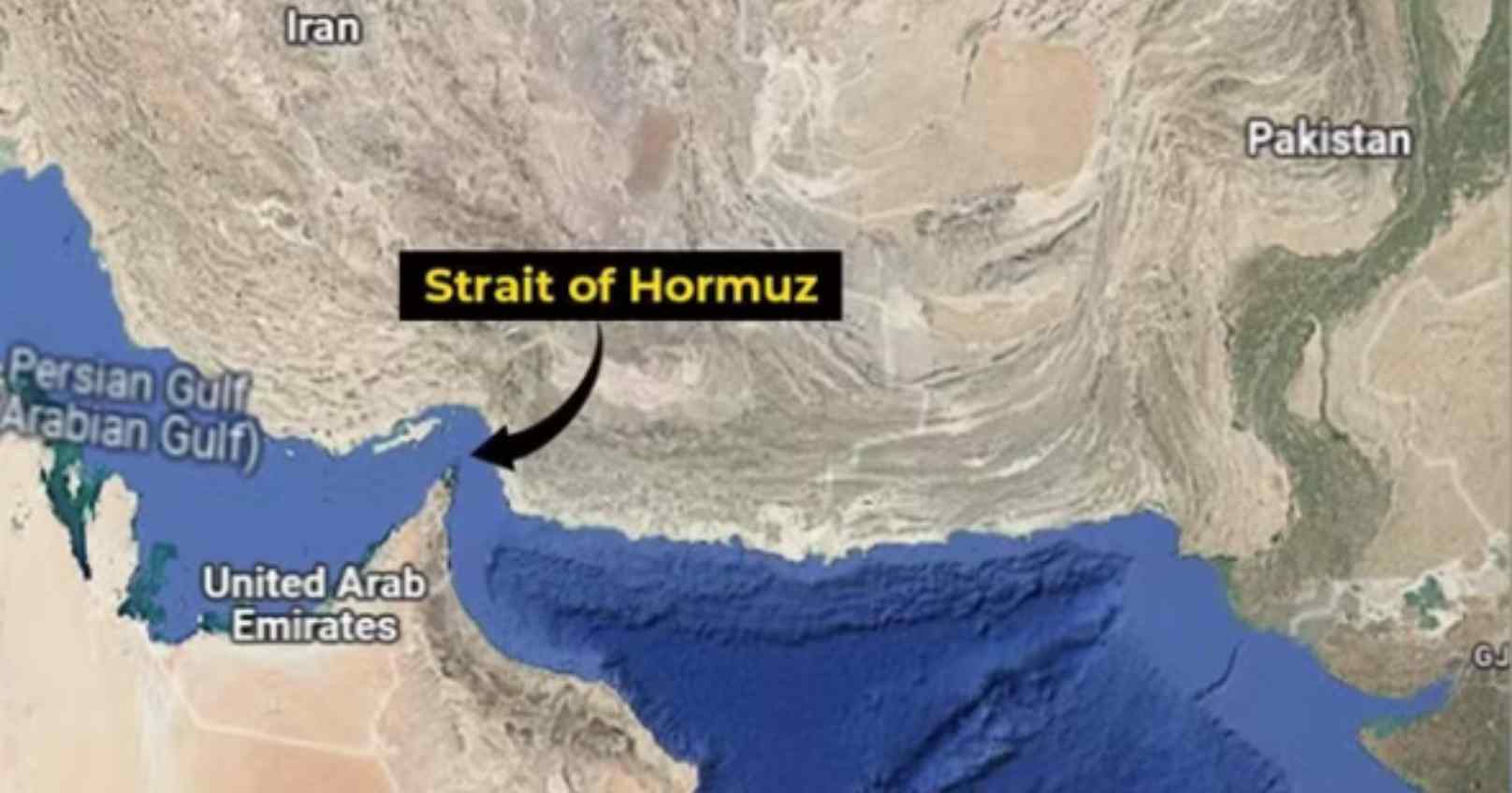
The Strait of Hormuz is not just a narrow passage between tense neighbours. It is one of the world’s most sensitive economic pressure points. The U.S. Energy Information Administration says roughly 20 million barrels a day moved through Hormuz in 2024, equal to about one-fifth of global petroleum liquids consumption. It also says about one-fifth of global LNG trade passed through the same corridor.
That is why instability around Hormuz is never a local matter for long. The artery does not need to be cut for the body to feel distress. Pressure alone is enough. The moment the corridor comes under threat, crude responds first, freight follows, insurers widen war-risk premiums, and importing economies begin recalculating exposure. Hormuz is therefore more than geography. It is the point at which regional tension acquires global economic force.
THE COST OF SHORT-SIGHTED POWER
The great error of powerful nations is often not lack of capacity, but lack of restraint.
It is one thing to possess military reach. It is another to exercise it in a theatre where the consequences cannot be neatly contained. The Middle East is not a sterile arena in which force can be applied, objectives declared, and stability presumed. It is a dense intersection of energy dependence, maritime vulnerability, strategic rivalry, historical memory, and political ambition. Any action there must therefore be judged not only by immediate intent, but by wider aftershock.
What makes such episodes especially troubling is the possibility that the full chain of consequences was never adequately weighed. In a corridor as vital as Hormuz, no serious use of force remains neatly local. The immediate act may be military, but its afterlife is economic, strategic, and psychological. A great power proves itself not merely by the force it can deploy, but by the instability it has the foresight to avoid.
That is where recklessness becomes expensive. Once instability enters the world’s main energy corridor, the burden does not remain with those who initiated it. It is exported outward into import bills, central-bank calculations, corporate margins, supply chains, and household costs.
Power without prudence is not leadership. It is acceleration without responsibility.
WHY THE EFFECTS WILL LINGER
One of the most dangerous illusions in modern conflict is the belief that escalation can be dramatic yet brief, disruptive yet containable.
That is rarely how events of this nature unfold. Even when open confrontation slows, the after-effects remain. Shipping routes stay nervous. Insurers remain cautious. Buyers hedge. Costs do not immediately return to normal. Confidence does not revive overnight. The latest EIA outlook says the threat of attack and the cancellation of insurance cover have led most tankers to avoid Hormuz, with some regional production already shut in. Reuters has separately reported sharply higher war-risk premiums, stranded vessels, and rising shipping costs.
This is why the damage must be understood not merely in military terms, but in atmospheric ones. What has been unsettled is not only a moment, but a climate of confidence. And climates of uncertainty take time to repair.
A REGION THAT WAS TRYING TO RISE
That is what makes this episode especially unfortunate.
For all its contradictions, the Gulf and the wider Middle East had increasingly come to symbolize ambition as much as conflict. The region was investing in logistics, aviation, tourism, infrastructure, technology, sovereign capital, and long-term growth. It was trying, however imperfectly, to shift the narrative from volatility to vitality.
Escalation of this kind drags that effort backward. It revives anxieties that had not vanished, only softened. It interrupts investment rhythms. It forces businesses and governments back into defensive postures. Capital can live with risk. It hesitates before prolonged instability. And hesitation, in a growth region, is its own form of harm.
HOW THIS PLAYS FOR INDIA
For India, this is not a distant geopolitical spectacle. It is an immediate economic concern. Reuters has reported that about 40% of India’s crude imports move through the Strait of Hormuz, while about 90% of India’s LPG imports come from the Middle East. It has also reported emergency adjustments in LPG sourcing and supply priorities as Gulf disruption worsened.
The economic transmission is direct. Higher crude prices widen the import bill. A heavier import bill puts pressure on the current account and the rupee. Fuel and freight costs spread into fertilizer, aviation, logistics, manufacturing, and consumer prices. Shipping disruption and insurance spikes affect business planning well beyond energy cargo itself. Reuters has also reported that rising freight and insurance costs are already spilling into Indian trade flows.
In that sense, what happens in Hormuz does not stay in Hormuz. It enters India through prices, planning, and public anxiety.
That is why stability in the Gulf is not, for India, a matter of abstract diplomatic preference. It is an economic necessity.
THE BURDEN OF BAD JUDGMENT
The world can absorb rivalry. It cannot indefinitely absorb recklessness in its most vital economic corridors.
There is a serious difference between deterrence and destabilization, between strength and swagger, between leadership and overreach. If policy is made in haste and defended later, the bill is eventually paid by others: importers, workers, businesses, households, and peace-seeking societies that had no role in the original decision.
The Middle East does not need more accelerants. The world does not need impulsive brinkmanship near the artery of energy. It needs deeper deliberation, greater proportion, and humility before consequence.
SID KUMAR TAKEAWAYS
Modern power is not judged only by the force it can project, but by the damage it has the wisdom to avoid. Once instability enters a vital energy corridor, it does not remain a military event. It becomes an economic burden for the world.


From the power and insolvency appeal courts to debt and military tribunals, chairs and member seats
Read More
An estimate of Yes Bank’s liability and capital impact after the Supreme Court’s ruling in Yes B
Read More
When the state wields a sledgehammer against citizens seeking accountability, the Supreme Court’s
Read More