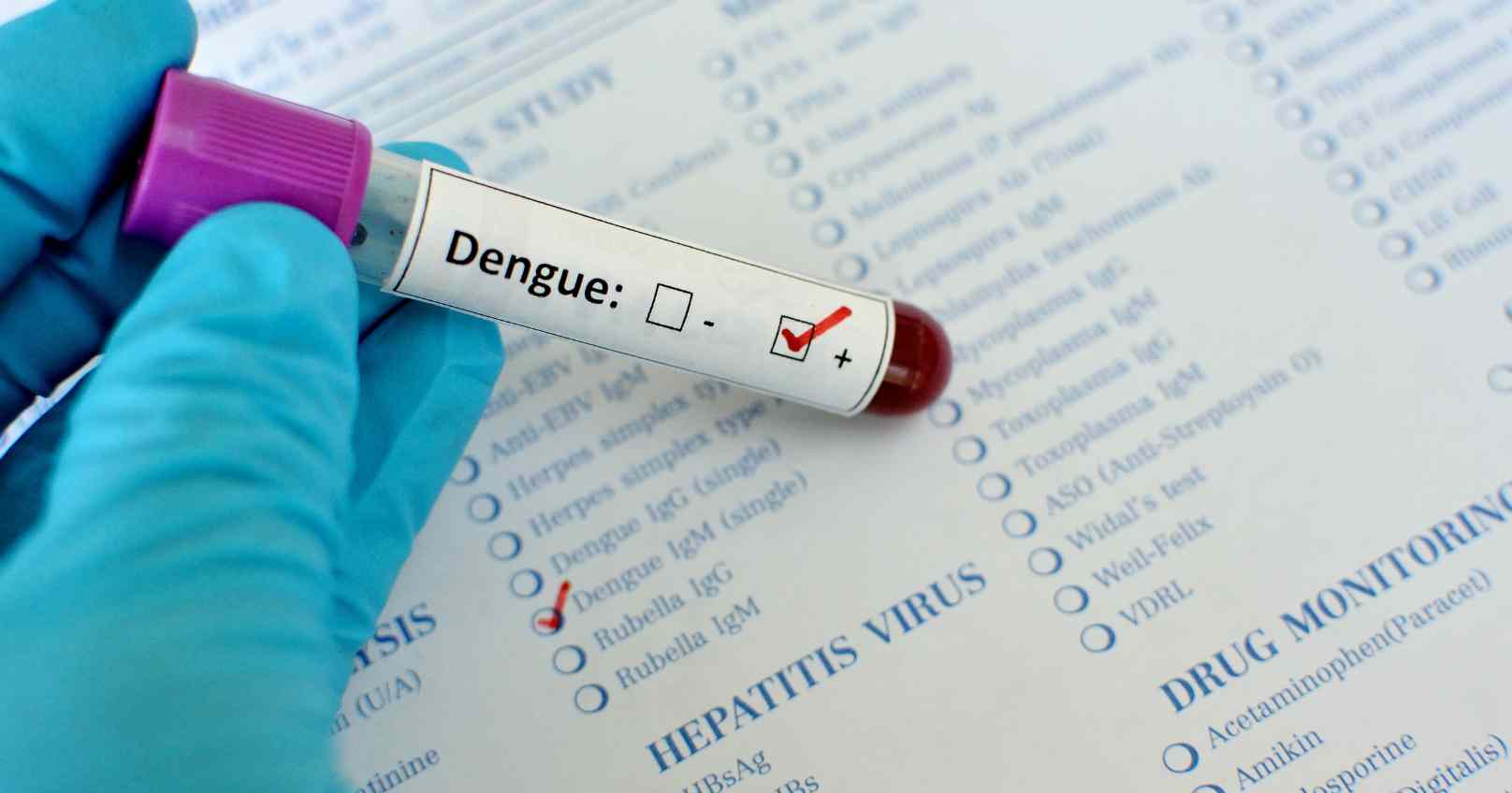
India has approved its first vaccine against dengue, offering a significant boost to efforts aimed at reducing the burden of one of the country's most widespread mosquito-borne illnesses. The Drug Controller General of India (DCGI) has granted marketing approval to Takeda Biopharmaceuticals India's QDENGA, allowing its use in individuals aged between four and 60 years.
The approval, issued under the New Drugs and Clinical Trials (NDCT) Rules, 2019, makes QDENGA the first dengue vaccine authorised for use in India. Unlike some earlier dengue vaccines used elsewhere, QDENGA does not require people to undergo a blood test to determine whether they have previously been infected with the virus before receiving the vaccine.
Major Boost As Dengue Cases Continue To Rise
Dengue remains one of India's biggest public health concerns, with the country accounting for nearly one-third of the global disease burden. Official records reported more than 113,000 dengue cases in 2025, although researchers estimate the actual number of infections could run into several million annually because many cases go undiagnosed or unreported.
With no specific antiviral treatment available for dengue, public health experts have long emphasised that prevention through vaccination, mosquito control and awareness remains the most effective strategy.
How QDENGA Works
QDENGA is a live-attenuated tetravalent vaccine developed to provide protection against all four known dengue virus serotypes. It is administered through two injections given three months apart.
The World Health Organization (WHO) recommends the vaccine for use in regions where dengue is endemic and supports its introduction into public vaccination programmes without requiring prior screening for earlier dengue infection. It has also received WHO prequalification, enabling procurement by global organisations such as UNICEF and PAHO.
Since its international launch in 2022, the vaccine has secured regulatory approvals in 43 countries across Asia, Europe and Latin America. More than 32 million doses have already been distributed worldwide, while countries including Brazil, Argentina, Colombia and Indonesia have introduced it through public immunisation programmes.
Clinical Trials Show Strong Protection
The Indian approval is backed by Takeda's extensive clinical research programme, which included 19 Phase I, II and III studies involving over 28,000 participants worldwide.
One of the largest studies, the Phase III TIDES trial, evaluated more than 20,000 participants across eight countries. Results showed that the vaccine reduced laboratory-confirmed dengue infections by 80.2% one year after the second dose. It also demonstrated 90.4% effectiveness in preventing dengue-related hospitalisations after 18 months.
Long-term follow-up data showed that protection remained durable, with the vaccine continuing to reduce hospitalisation risk by 84.1% after four-and-a-half years. Safety and efficacy data have now been monitored for up to seven years.
The DCGI also considered findings from a separate Phase III trial conducted in India among healthy participants aged four to 60 years. The study concluded that the vaccine was safe, well tolerated and generated a strong immune response across all age groups.
Company Sees Landmark Moment
Takeda officials described the approval as an important milestone for India's public health system.
Mahender Nayak, Head of Intercontinental Markets at Takeda, said long-term evidence continues to demonstrate strong protection against both dengue infection and hospitalisation across all four virus strains.
Peter Streibl, General Manager for Southeast Asia and India, said the company intends to work closely with Indian authorities, healthcare professionals and public health agencies to improve access to the vaccine while supporting broader dengue prevention measures such as surveillance, awareness campaigns and vector control.
Medical Affairs Head Dr Goh Choo Beng noted that all four dengue virus serotypes are known to circulate in India simultaneously, making broad-spectrum protection particularly valuable.
Rollout To Follow Regulatory Approval
Following regulatory clearance, Takeda will coordinate with Indian health authorities and other stakeholders to plan the vaccine's rollout and availability. The company will also continue post-marketing safety monitoring to assess the vaccine's long-term impact in real-world settings.
The approval marks a significant milestone in India's efforts to reduce dengue-related illness and hospitalisations while strengthening the country's disease prevention strategy.