India has made it clear that Pakistan's recent statements and diplomatic efforts regarding the Indus Waters Treaty (IWT) will not alter New Delhi's position. The government reiterated that the treaty will remain suspended until Pakistan takes credible, irreversible action to end its support for cross-border terrorism.
Addressing the media, Ministry of External Affairs spokesperson Randhir Jaiswal said India's stance has remained unchanged since the decision to place the treaty in abeyance. He emphasized that the move was a direct response to Pakistan's continued backing of cross-border terrorist activities and added that the agreement would remain on hold unless Islamabad permanently abandons such support.
India suspended the treaty after the April 2025 terrorist attack in Pahalgam, Jammu and Kashmir, in which 26 tourists lost their lives. Since then, Pakistan has repeatedly argued before the international community that India's decision creates a troubling precedent for countries sharing transboundary rivers. However, New Delhi maintains that the core issue is Pakistan's continued involvement in fostering terrorism across the border.
Security analysts believe Pakistan is attempting to build international backing over the water-sharing dispute while avoiding accountability for concerns repeatedly raised by India. They argue that Islamabad continues to face criticism over the presence and activities of terrorist groups operating from its territory.
Earlier this week, Pakistan's Deputy Prime Minister Ishaq Dar reiterated that his country does not recognize India's decision to suspend the treaty, insisting that the agreement remains legally valid and enforceable.
During the same event, former Pakistani Foreign Minister Bilawal Bhutto Zardari suggested that Pakistan should consider a "nuclear option" if diplomatic efforts to restore the treaty fail. The remark drew criticism from strategic observers, who described the statement as highly irresponsible and unnecessarily provocative.
India has also maintained that, while the treaty remains suspended, it is not obligated to fulfill commitments under the agreement. In a statement issued in June 2025, the Ministry of External Affairs asserted that no arbitration body, particularly one India considers to have been improperly constituted, has the authority to assess the legality of India's sovereign decisions regarding the treaty.
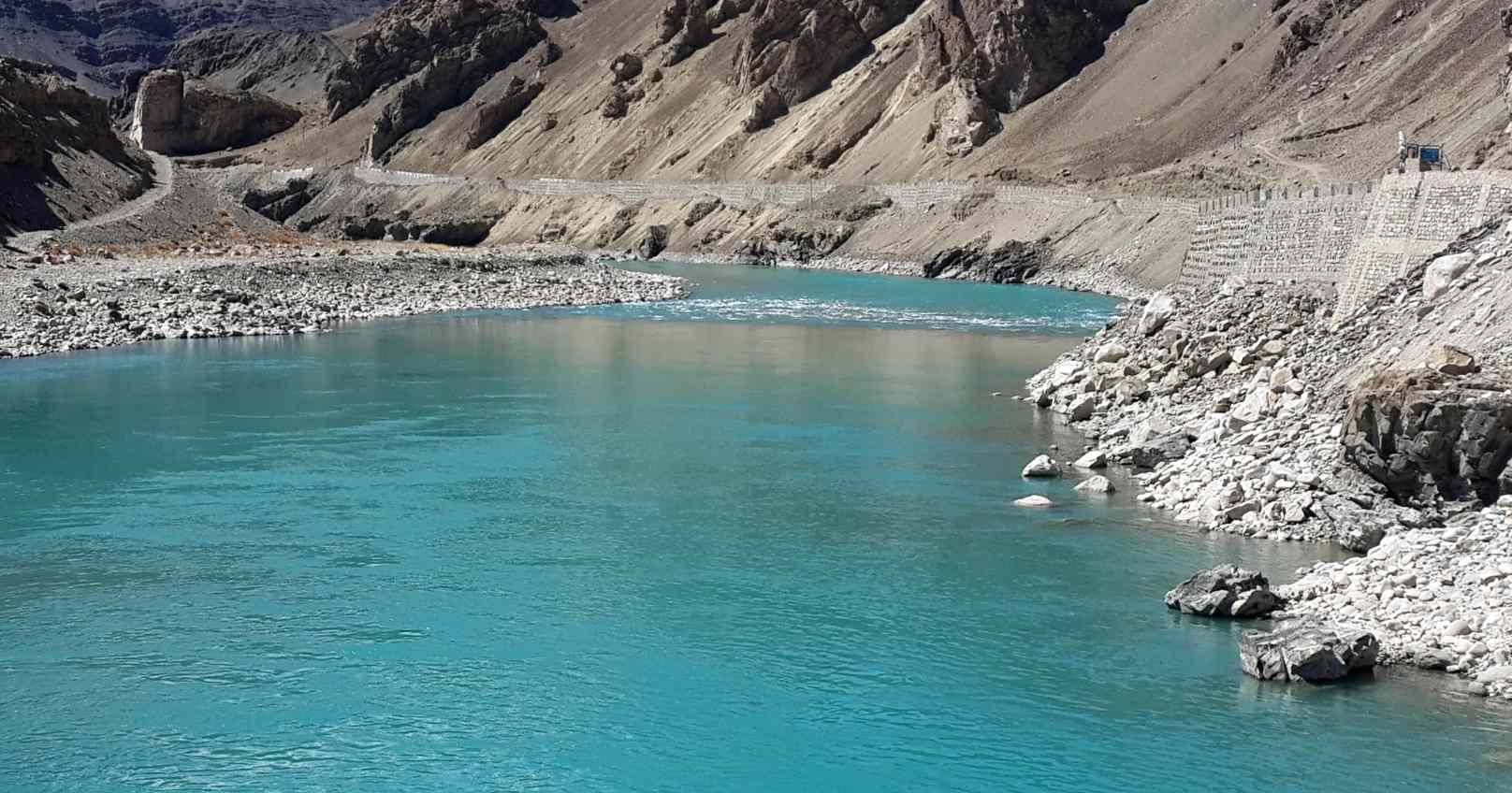
The Indus Waters Treaty, signed in 1960 after nearly a decade of negotiations and facilitated by the World Bank, governs the sharing of the Indus River system between India and Pakistan. Despite decades of tensions between the two countries, the agreement had remained in force until India's recent decision to place it in abeyance.
India also pointed to growing international concern over terrorism originating from Pakistan. Following bilateral discussions between Prime Minister Narendra Modi and his Japanese counterpart Sanae Takaichi, India and Japan jointly called for stronger global efforts to eliminate cross-border terrorism, including dismantling terror safe havens and disrupting financial networks that support extremist groups.
At the same media briefing, the Ministry of External Affairs also reiterated India's condemnation of Pakistani military airstrikes in Afghanistan, which reportedly resulted in civilian casualties, including women and children. Jaiswal expressed condolences to the victims' families and reaffirmed India's support for Afghanistan's sovereignty, territorial integrity, and continued humanitarian assistance.