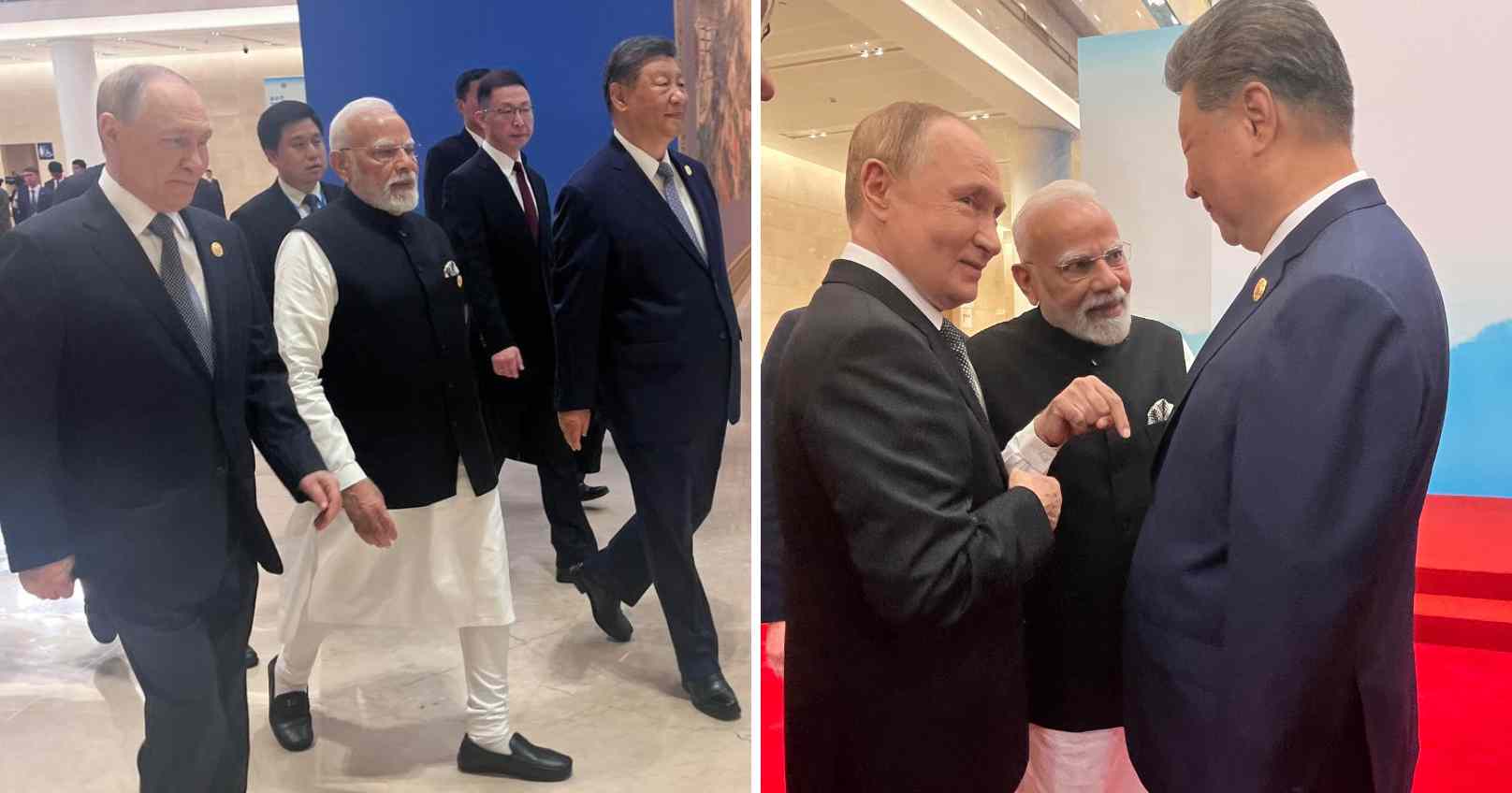
India will take centre stage in global diplomacy this September as it hosts the 18th BRICS Summit in New Delhi on September 12–13. The Kremlin has officially confirmed that Russian President Vladimir Putin will attend the two-day gathering, while Chinese President Xi Jinping is also expected to be present, according to media reports citing diplomatic sources.
If Xi’s visit materialises, it would mark his first trip to India since his informal summit with Prime Minister Narendra Modi in Mamallapuram in October 2019. Relations between the two countries have remained strained following the deadly Galwan Valley clashes in 2020 and subsequent tensions along the Line of Actual Control, including the standoff in Tawang in 2022. Modi and Xi last met on the sidelines of the BRICS Summit in Kazan, Russia, their first interaction after the border tensions escalated.
The New Delhi summit assumes added importance as the grouping faces visible internal disagreements on pressing geopolitical matters, including differing positions on the Iran conflict and West Asian tensions. These divisions surfaced during a meeting of deputy foreign ministers and special envoys of the 11-member bloc held in April in New Delhi, which concluded without a joint statement. Diplomatic differences reportedly emerged over references to the US-Iran war, Iran-UAE tensions, and language concerning the Israel-Palestine issue, resulting in a stalemate.
Having assumed the BRICS presidency in January 2026, India is now tasked with steering the expanded bloc through a period of heightened global polarisation. This year’s summit will be held under the theme “Building for Resilience, Innovation, Cooperation and Sustainability,” reflecting New Delhi’s focus on strengthening collaboration amid global uncertainty.
Originally formed by Brazil, Russia, India and China, the grouping held its first summit in 2009 in Russia, aiming to promote a multipolar world order and amplify the voice of emerging economies in global governance. South Africa joined the following year, expanding the acronym to BRICS. In recent years, the bloc has further broadened its membership to include Egypt, Ethiopia, Iran, the United Arab Emirates, Saudi Arabia and Indonesia, significantly increasing its economic and geopolitical reach.
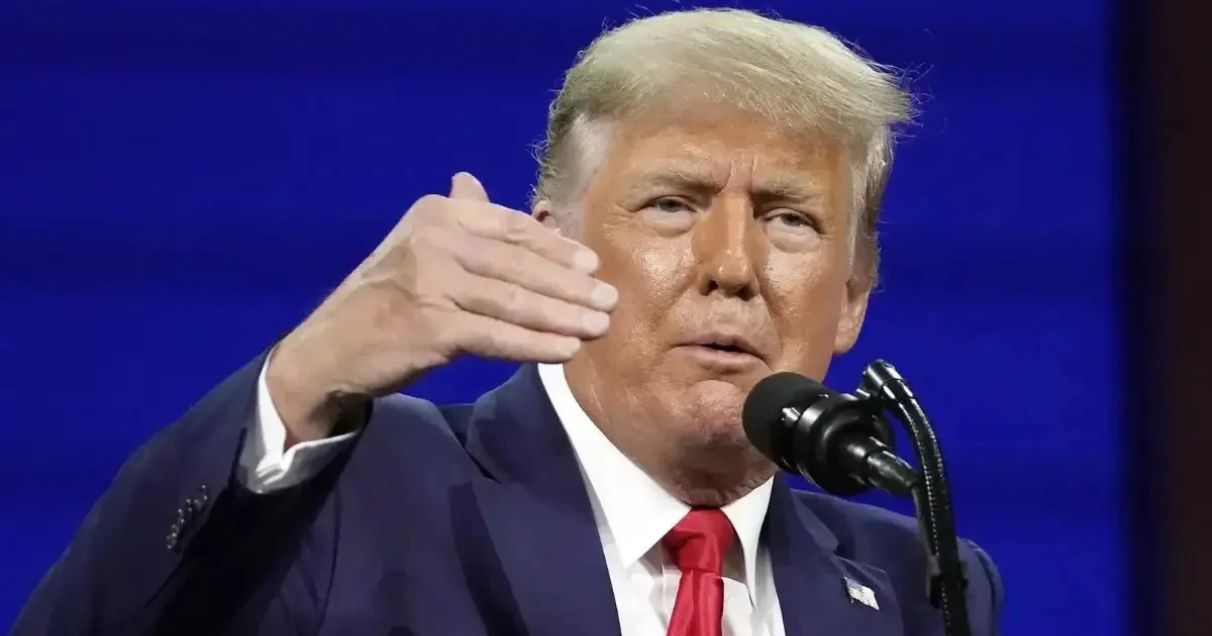
The bloc’s growing influence has drawn criticism from sections of the Western political establishment. US President Donald Trump has previously described BRICS as “anti-American” and warned of economic consequences for nations aligning with its policies. Following the 2025 summit in Rio de Janeiro, Trump indicated that countries supporting BRICS positions could face an additional 10 percent tariff on exports to the United States. His remarks came after BRICS leaders criticised unilateral tariffs and protectionist trade measures in their joint declaration.
With major global powers expected to converge in New Delhi, the September summit is shaping up to be more than a routine diplomatic engagement. Against a backdrop of geopolitical rivalries and internal fractures within the bloc, India’s role as host and chair will be closely watched.