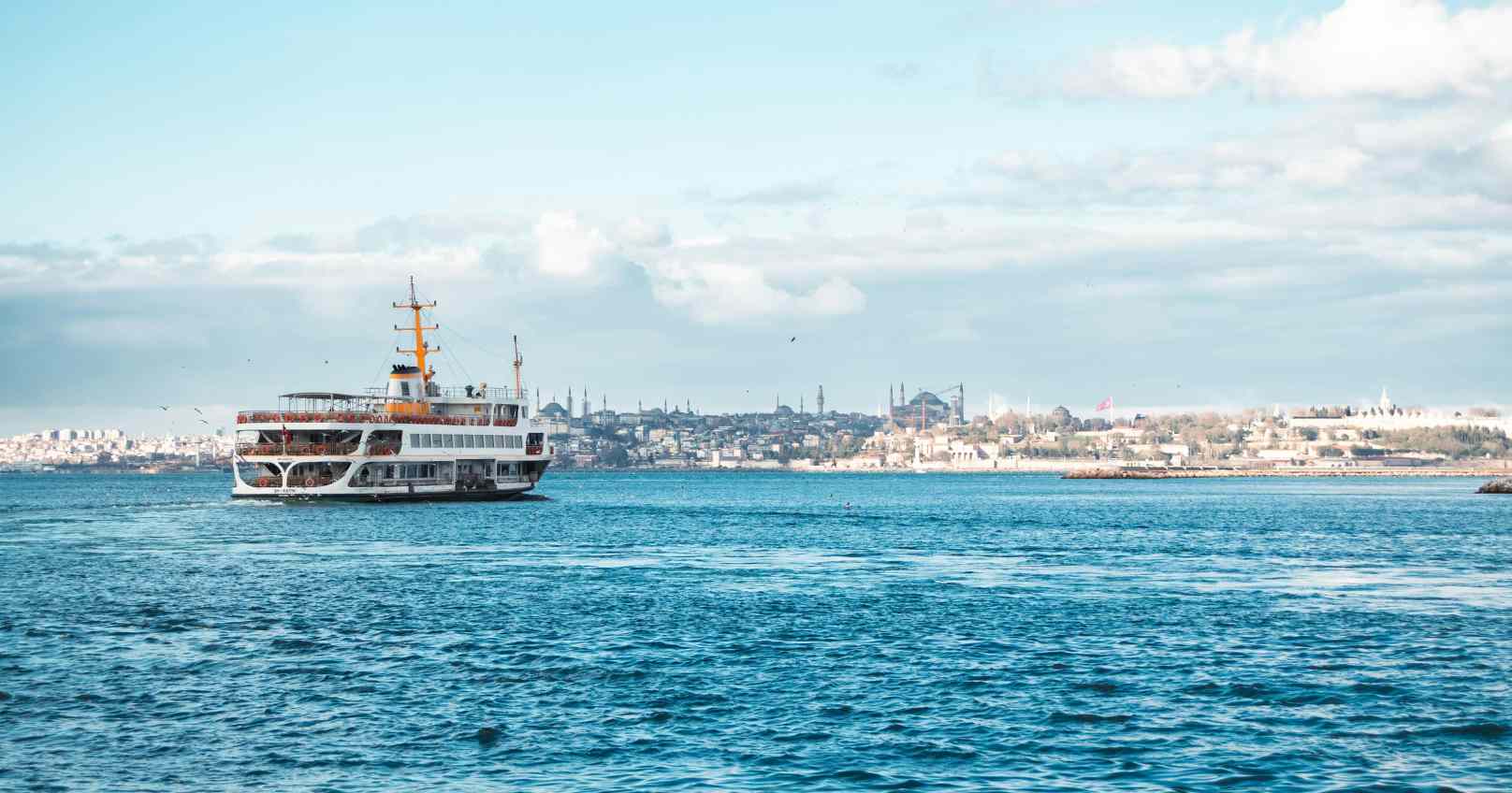
Tensions flared in the strategically vital Strait of Hormuz on Saturday after two merchant ships flying the Indian flag, including a large crude carrier, were compelled to reverse direction following reports of shots fired in the area. Maritime tracking agencies and security sources indicated that vessels encountered armed patrol boats believed to be linked to Iran’s Revolutionary Guard.
One of the ships was reportedly transporting close to two million barrels of Iraqi crude oil. Intercepted communications suggested that patrol craft discharged warning fire as tankers were instructed to alter course and head westward. The United Kingdom Maritime Trade Operations (UKMTO) also confirmed that armed boats had opened fire near a tanker navigating the channel.
Earlier reports noted gunshots in waters between Qeshm and Larak islands, forcing vessels to abandon their attempted transit. A container ship was also said to have been struck during the disturbance. Several ships monitoring marine radio frequencies reported hearing announcements declaring the waterway “closed again” to all traffic.
INDIAN SHIPS AFFECTED
According to officials, at least two India-flagged vessels encountered restrictions near Larak Island and were compelled to turn back from an Iranian-controlled checkpoint. While one Indian vessel successfully crossed earlier in the day, several others approaching the passage later withdrew amid the rising tension.
By Saturday morning, eight India-linked ships had neared the strait. Except for one that completed its journey, the rest reportedly aborted their passage. Authorities confirmed that although one Indian vessel was involved in the incident, there were no casualties or structural damage reported.
India’s shipping authorities are closely tracking developments, with the Directorate General of Shipping coordinating efforts to safeguard crew members and maritime assets. Diplomatic channels were also activated, with the Iranian envoy summoned for discussions following the episode.
IRAN REASSERTS CONTROL
Tehran announced renewed restrictions on the strait, citing ongoing US measures targeting Iranian maritime trade. Officials stated that transit would now be tightly regulated under armed oversight. Iranian lawmakers indicated that ships may require prior naval clearance and compliance with specific conditions before crossing.
The tightening measures came shortly after Iranian Foreign Minister Abbas Araghchi had earlier declared limited reopening of the route as part of a temporary ceasefire arrangement linked to regional hostilities. However, escalating friction between Tehran and Washington appears to have undone that brief easing.
US RESPONSE AND REGIONAL STRAIN
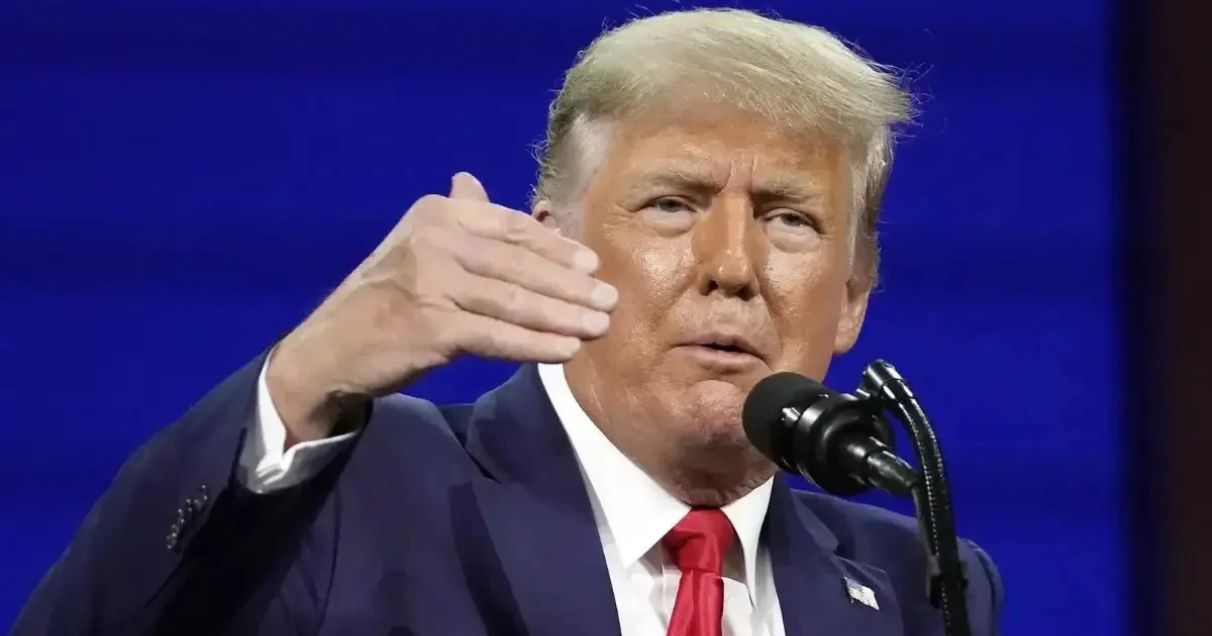
US President Donald Trump had previously signalled optimism about diplomatic progress with Iran but cautioned that tensions could escalate if broader agreements were not achieved. Meanwhile, Iran’s Supreme Leader Mojtaba Khamenei warned that the country’s naval forces were prepared to respond firmly to perceived threats.
GLOBAL ENERGY IMPACT
The Strait of Hormuz handles nearly 20% of the world’s oil shipments, making any disruption a matter of global concern. Shipping data had earlier shown multiple tankers attempting passage — the first notable commercial convoy in weeks — but the renewed confrontation has once again clouded prospects for uninterrupted trade.
With gunfire incidents reported and maritime controls tightening, uncertainty over the corridor’s accessibility is expected to weigh heavily on international energy markets and commercial shipping routes.