Iran Denies Charging Indian Ships for Hormuz Passage, Cites Strong Bilateral Ties
Tehran rejects toll allegations and signals openness to renewed US talks amid rising Strait of Hormuz tensions
13-04-2026

Iran on Monday firmly dismissed speculation that Indian vessels were asked to pay fees to transit the Strait of Hormuz, underlining that no such charges have been imposed on New Delhi despite heightened regional strain.
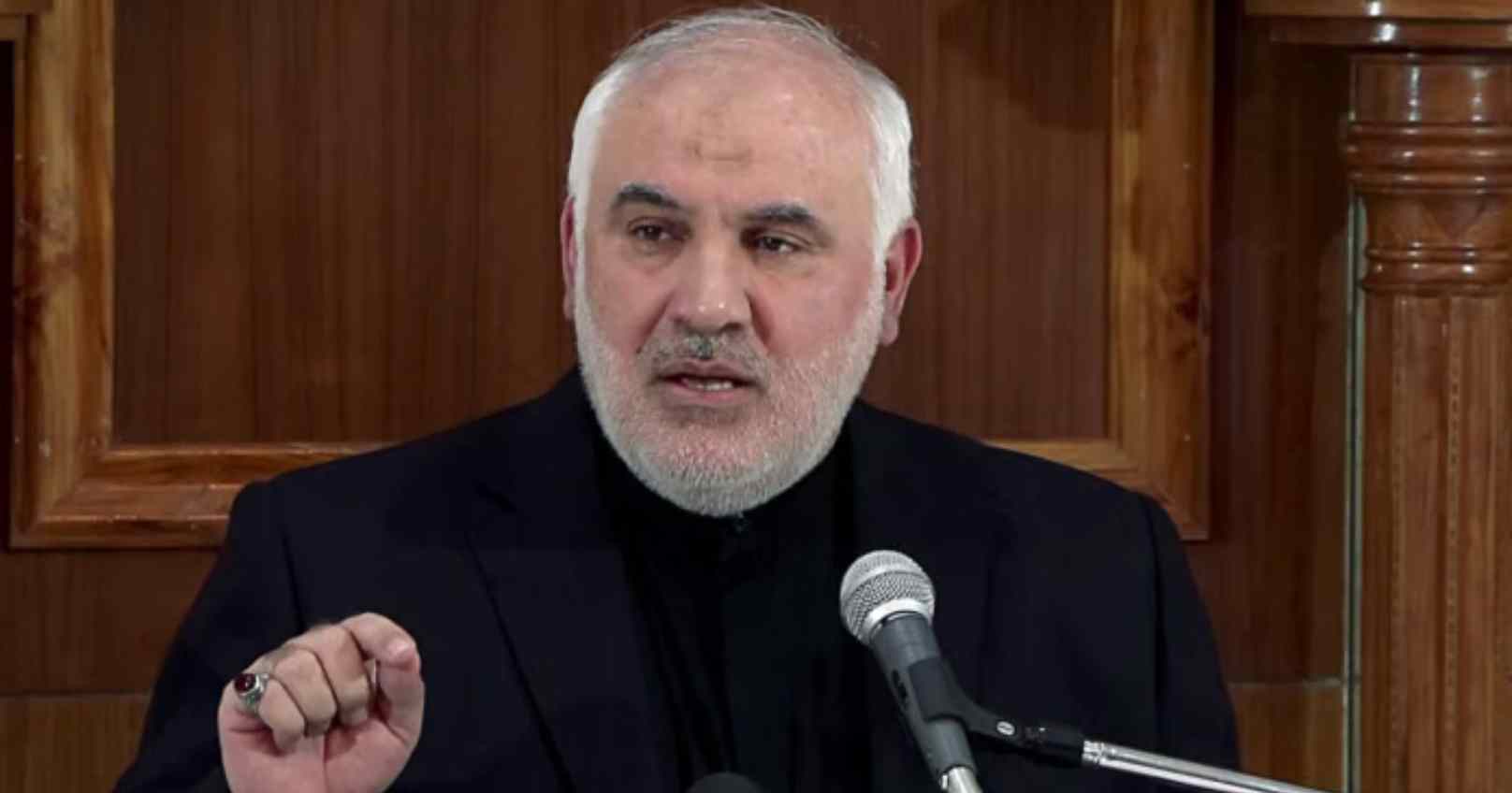
Speaking at a press interaction at the Iranian Embassy in New Delhi, senior diplomat Iraj Elahi Fathali refuted claims that India paid for safe passage through the crucial maritime corridor. He suggested that the Indian government itself could confirm that no payments had been demanded so far.
Indian authorities have consistently rejected reports that they cleared dues to secure the movement of nine liquefied petroleum gas (LPG) carriers after transit disruptions began in the wake of the Iran conflict. Officials have indicated that nearly 15 India-flagged ships are still positioned in the Persian Gulf region amid uncertainty.
Fathali stressed that Tehran values its relationship with New Delhi, describing India as a dependable partner during a turbulent period in West Asia. He said both countries share longstanding ties and overlapping interests, reinforcing the message that diplomatic engagement between the two nations remains steady.
He further noted that Iran’s foreign minister continues to count India among friendly nations, signalling that bilateral goodwill remains intact despite geopolitical turbulence.
For India, the Strait of Hormuz is a lifeline. A substantial portion of its crude oil and LPG imports move through the narrow waterway, making stability in the region critical for energy security.
Addressing the recent breakdown in negotiations with the United States in Islamabad, the Iranian envoy said Tehran remains willing to resume discussions if Washington avoids what he termed unreasonable or unlawful demands.
The latest round of talks between Iranian and American officials concluded without an agreement, with both sides citing differences over key issues. According to Fathali, the deadlock stemmed from conditions put forward by the US delegation that Iran found unacceptable. Nonetheless, he indicated that further engagement could be possible if terms change.
Responding to US President Donald Trump’s warning of a potential naval blockade targeting Iranian ports, Fathali said American officials are well aware of Iran’s strategic and military capabilities.
He also reiterated Iran’s position that the Strait of Hormuz falls within its territorial jurisdiction, a claim that adds another layer of complexity to the escalating dispute over navigation rights in one of the world’s most vital shipping routes.

Donald Trump has again claimed that threats of 250 per cent tariffs helped stop the 2025 India-Pakis
Read More
The BJP has alleged a rift between Rahul Gandhi and Priyanka Gandhi Vadra over the removal of photog
Read More
Sonia Gandhi has joined X with a memory of meeting Rajiv Gandhi in Cambridge, introducing her upcomi
Read More