Iran Imposes Widespread Internet Curbs Amid Cyber Threats and Regional Tensions
Amid rising tensions with Israel, Iran has severely restricted internet access nationwide, citing cybersecurity threats and fears of misinformation
19-06-2025

Iran experienced a widespread disruption of internet services on Tuesday, as access across the country was heavily restricted. The clampdown, described by experts as a “near-total” blackout, appeared to be a strategic move by the government in response to suspected Israeli cyberattacks, rather than a result of damage from Israeli airstrikes.
The restrictions significantly hampered communication between Iranians and the outside world. Reports from NBC News, citing global internet monitoring firms Kentik and NetBlocks, indicated that internet speeds began to drop sharply around 5:30 PM local time. While not a complete shutdown, the disruption was severe enough to block access to major VPN services and hinder the use of popular messaging platforms such as WhatsApp.
This latest action by Tehran fits a pattern of digital crackdowns during periods of unrest. Analysts believe the intent may have been to limit the spread of unverified information and control the narrative during a period of intense regional volatility. Government officials reportedly also warned citizens against using encrypted messaging apps over fears they could compromise personal information during the ongoing crisis.
Such measures are not unprecedented in Iran. In 2019, the country implemented a full internet shutdown for nearly a week amid widespread protests, a move that coincided with violent crackdowns in which over 100 people were reported killed.
Tuesday’s blackout also included blocking access to both the Apple App Store and Google Play Store, preventing users from downloading or updating apps. WhatsApp and Instagram were also rendered non-functional on many devices. However, select government-sanctioned platforms hosted on Iran’s internal National Information Network remained available.
The internet restrictions come at a time of growing conflict between Iran and Israel. According to Iranian authorities, Israeli strikes have killed over 220 people. Israel, on the other hand, claims its counterattacks have resulted in the deaths of at least 24 individuals.
As digital access becomes increasingly essential during global conflicts, Iran's recurring strategy of controlling online spaces highlights both the government’s security concerns and its desire to manage public discourse during sensitive geopolitical moments.
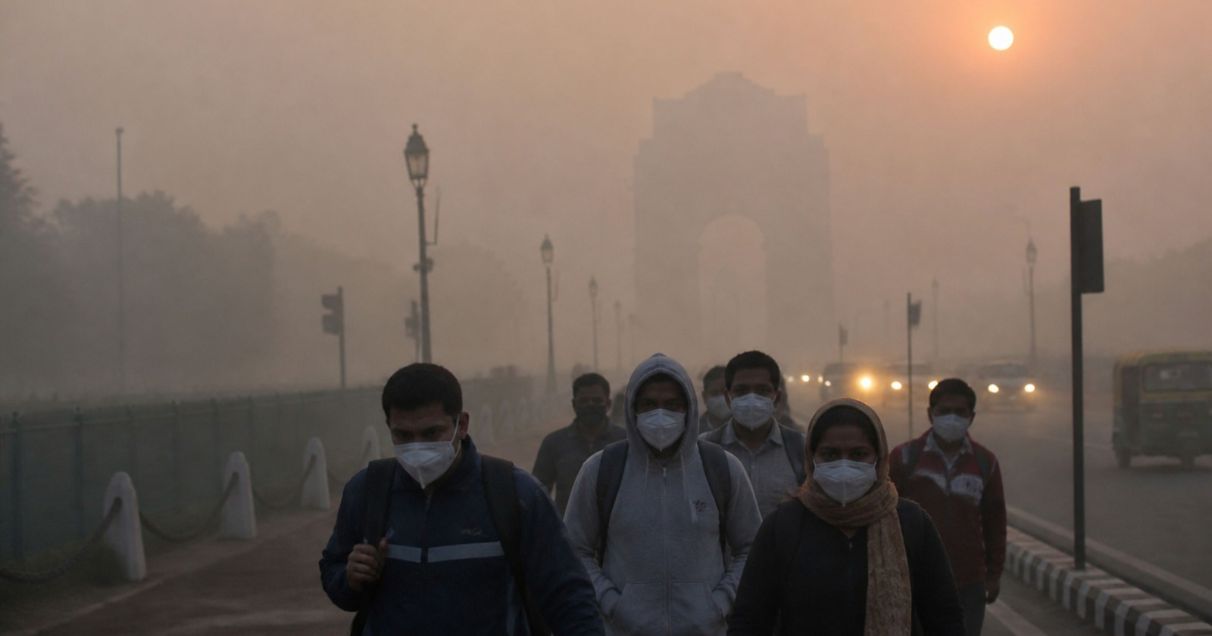
Delhi's air quality deteriorated sharply after Diwali, with PM2.5 concentrations crossing 3,700 micr
Read More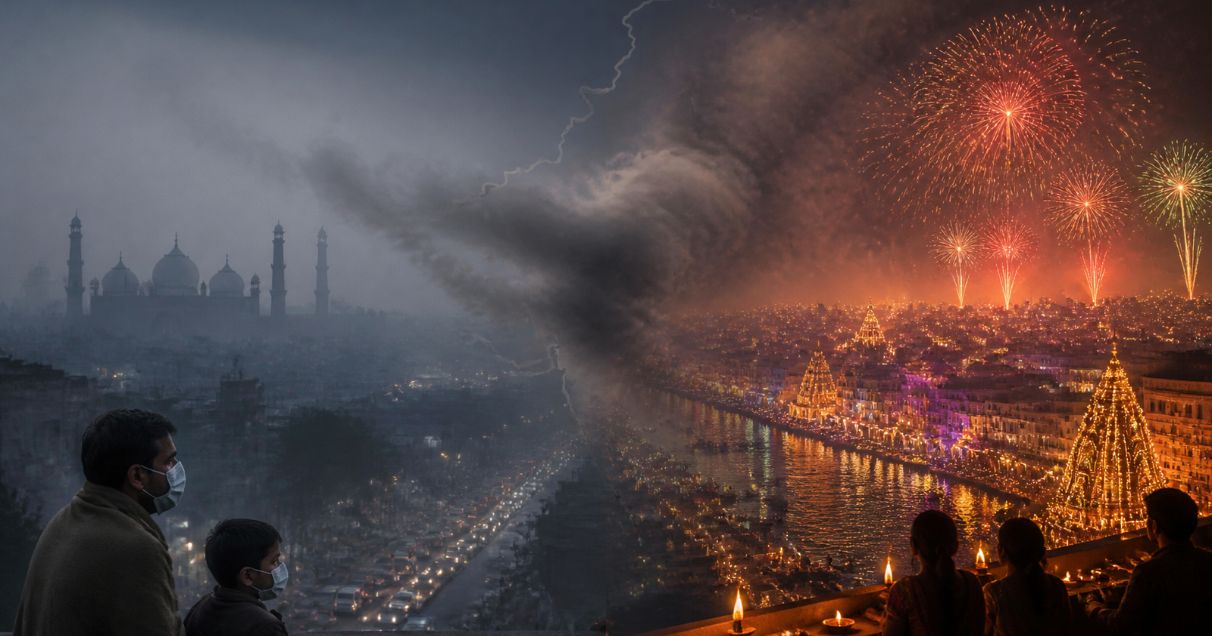
Pakistan has attributed Lahore’s deteriorating air quality to pollution allegedly carried across t
Read More
Four coaches of the Karmabhoomi Express caught fire near Rajpura in Punjab on Friday after a blaze r
Read More