Iran is moving fast to revive crude sales across Asia after Washington offered a 60-day sanctions waiver, creating a short-lived opening for Tehran to ship oil beyond its dominant market, China. But even as Iranian suppliers reach out to refiners across the region, India — once among Tehran’s biggest customers — appears cautious about jumping back in.
According to a Bloomberg report, Iran began sounding out buyers in countries such as India, Japan and South Korea even before the waiver was formally unveiled. Sellers, intermediaries and officials linked to the National Iranian Oil Company reportedly started making contact early, underlining how urgently Tehran wants to restart exports and reduce the large volumes of crude it currently has stranded at sea.
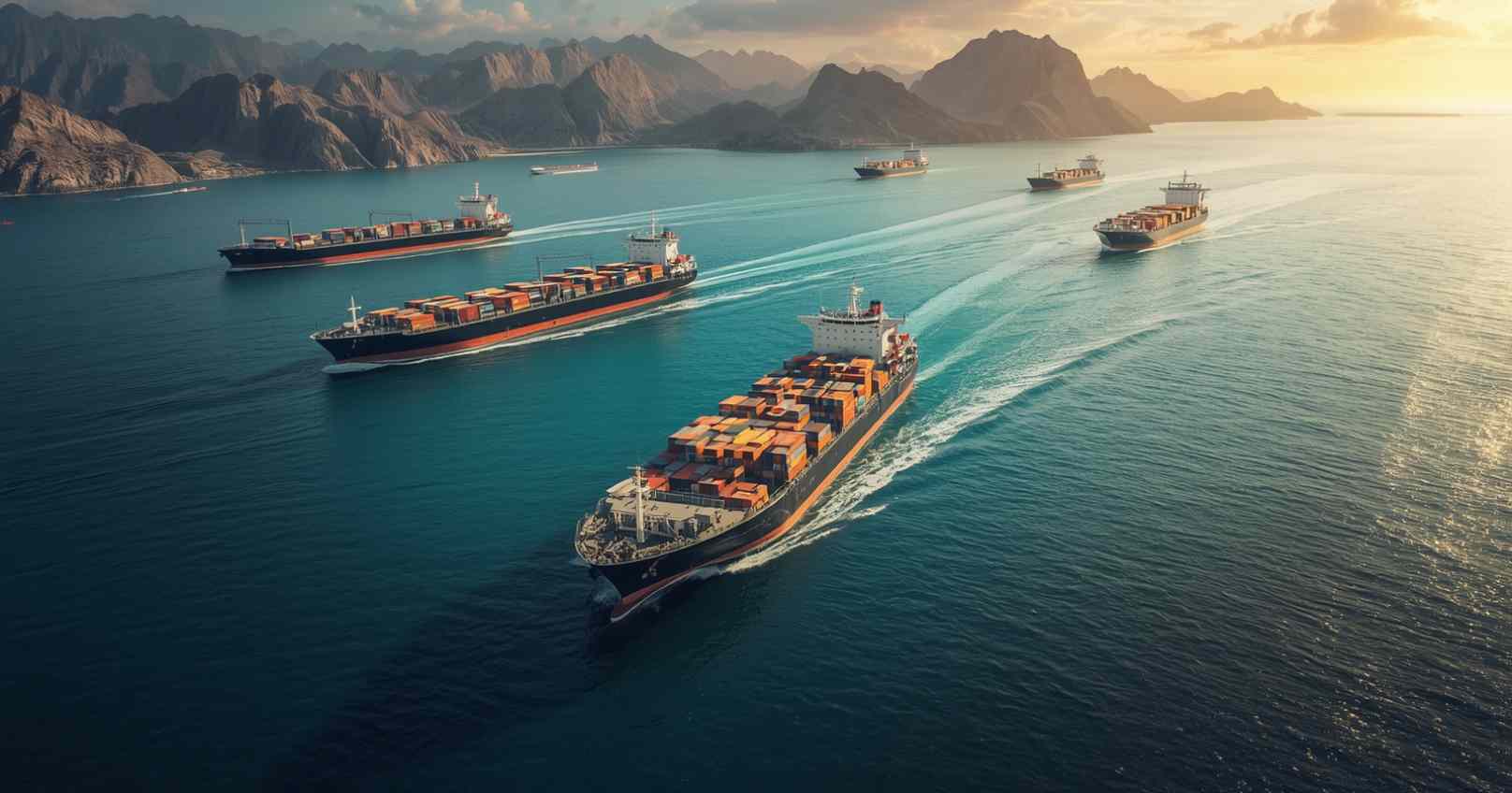
A key reason for that urgency is the amount of oil Iran is sitting on. Bloomberg, citing data from Vortexa, reported that nearly 68 million barrels of Iranian crude and condensate were floating on tankers as of June 22. More than four-fifths of that cargo reportedly has no final buyer lined up, making it available for quick placement if refiners are willing to step in.
For Iran, India is an obvious market to target. Before US sanctions shut the door on trade, Indian refiners were among the largest buyers of Iranian crude. Geography also works in Tehran’s favour this time. Some of the cargoes currently at sea could reportedly reach Indian ports in just a few days, potentially making India one of the easiest and fastest destinations for Iranian barrels looking for a home.
That said, logistical convenience alone may not be enough to revive the trade relationship.
Indian refiners have traditionally stayed away from sanctioned oil to avoid regulatory and financial complications, and the latest US waiver does not necessarily remove those concerns. Market participants remain wary that the relief could prove short-lived, especially given how frequently Washington’s Iran policy has shifted in recent years. Buyers are reluctant to enter deals that could become problematic again if sanctions snap back.
There are also practical hurdles beyond the US position. Restrictions from Europe and the UK still create complications around shipping, insurance and payments. In addition, ports and financial institutions remain cautious about any cargoes linked to the so-called “dark fleet” that has helped move Iranian oil under sanctions.
Analysts say this uncertainty is a major reason refiners in Asia are unlikely to rush in.
As Sumit Ritolia of Kpler told Bloomberg, refiners across the region — particularly outside China — have already lined up alternative crude supplies and are unlikely to commit to Iranian barrels while the geopolitical environment remains unstable and sanctions policy continues to shift.
That makes the current situation more of a commercial opportunity than a guaranteed revival. If India were to consider buying, it could try to use Tehran’s urgency to secure favourable pricing. With Iran under pressure to move cargoes before the waiver expires, refiners could potentially bargain for steep discounts.
But even that incentive may not be enough right away. Bloomberg noted that benchmark Middle Eastern crude grades such as Dubai and Murban are already trading in contango, a market structure that suggests there is no immediate supply crunch in Asia. In other words, buyers are not under pressure to snap up extra barrels.
Because of that, analysts believe any renewed India-Iran energy engagement may initially be more likely outside crude oil itself. Areas such as LPG, petrochemicals, fertilisers and wider energy cooperation could offer a more realistic starting point if sanctions relief lasts long enough to support business confidence.
There is also growing discussion over how quickly Iran could raise production if the easing of restrictions holds. Some analysts have suggested Tehran may be able to bring back a substantial amount of output within weeks, but they also caution that lifting restrictions is only one part of the equation. Banking channels, tanker access, insurance, maritime security and the durability of the US-Iran understanding will all shape how much oil actually returns to the market.
For now, most observers expect any comeback in Iranian exports to happen in stages. China is likely to remain the first and largest destination for additional barrels. Other countries, including India, could come later if sanctions relief proves durable and the commercial terms become attractive enough to offset the risks.
That is why, despite Iran’s clear interest in reopening the Indian market, a quick return of large-scale purchases still looks uncertain. Tehran may have reopened the conversation, but persuading Indian refiners to re-enter the trade is likely to take more time — and may only happen if the current diplomatic opening survives beyond this temporary window.