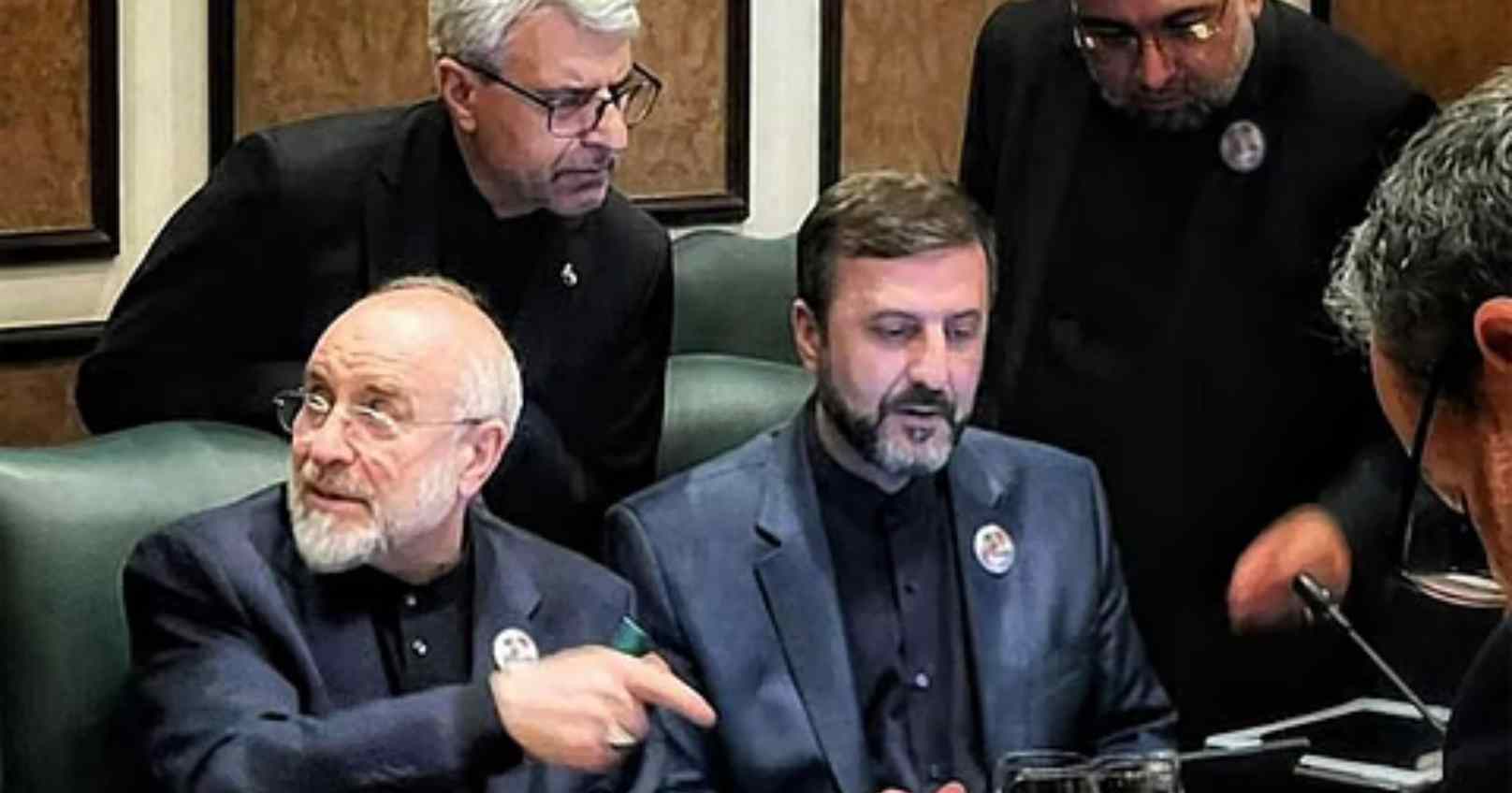
Shortly after US Vice President JD Vance concluded high-stakes discussions in Islamabad and returned home, Iran publicly announced that the diplomatic effort had ended without success, blaming Washington for pressing demands it could not achieve during the recent conflict.
In a statement shared on social media by Iran’s embassy in Ghana, Tehran asserted that the American delegation had spent nearly a full day in talks only to seek sweeping concessions. The message claimed Iran had firmly rejected those proposals and confirmed that the Strait of Hormuz would remain closed until a dependable and lasting ceasefire arrangement is secured.
Iran’s Foreign Ministry spokesperson, Esmail Baghaei, described the negotiations as taking place under deep mistrust. While acknowledging that both sides found alignment on certain matters, he said two major disagreements ultimately prevented a final understanding. He added that expecting a breakthrough in a single round of dialogue was unrealistic.
Iranian media outlets reinforced that stance. Tasnim news agency, citing sources familiar with the discussions, reported there would be no shift in Tehran’s position on the Strait of Hormuz unless Washington agrees to what Iran considers fair terms. The outlet also suggested Iran is in no rush to resume discussions. Meanwhile, Press TV identified maritime access and Iran’s nuclear programme as the central obstacles blocking progress.
Earlier in Islamabad, Vance confirmed that his team was leaving Pakistan after approximately 21 hours of negotiations without sealing an agreement. Speaking to reporters, he said the conversations were detailed and substantive but ultimately fell short of delivering a framework for long-term peace in the Gulf. He emphasised that the United States had made its red lines clear and indicated that the absence of a deal would weigh more heavily on Tehran.
The Islamabad meeting had been organised after a temporary ceasefire followed weeks of intense hostilities. The goal was to transform the short-term truce into a broader and more stable arrangement. However, unresolved disputes — including the reopening of the Strait of Hormuz and broader security guarantees — derailed that objective.
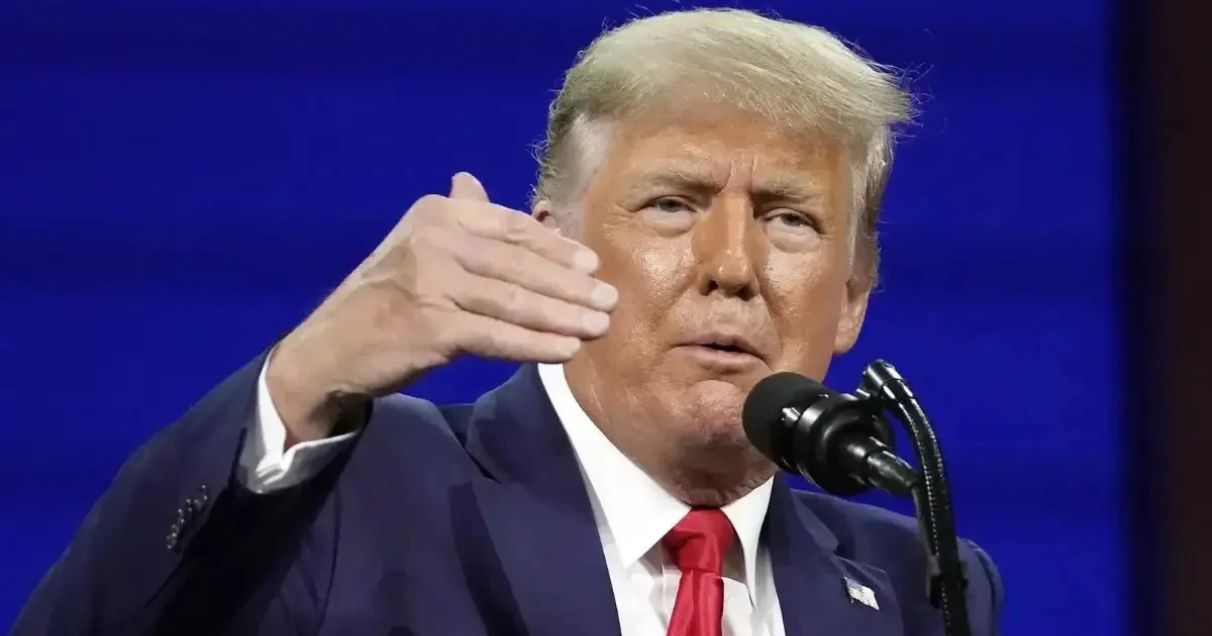
With talks now stalled, questions remain over whether another round will be scheduled and whether the delicate ceasefire can hold. US President Donald Trump has continued to warn of possible military action if a permanent settlement is not achieved, leaving the region facing renewed uncertainty.