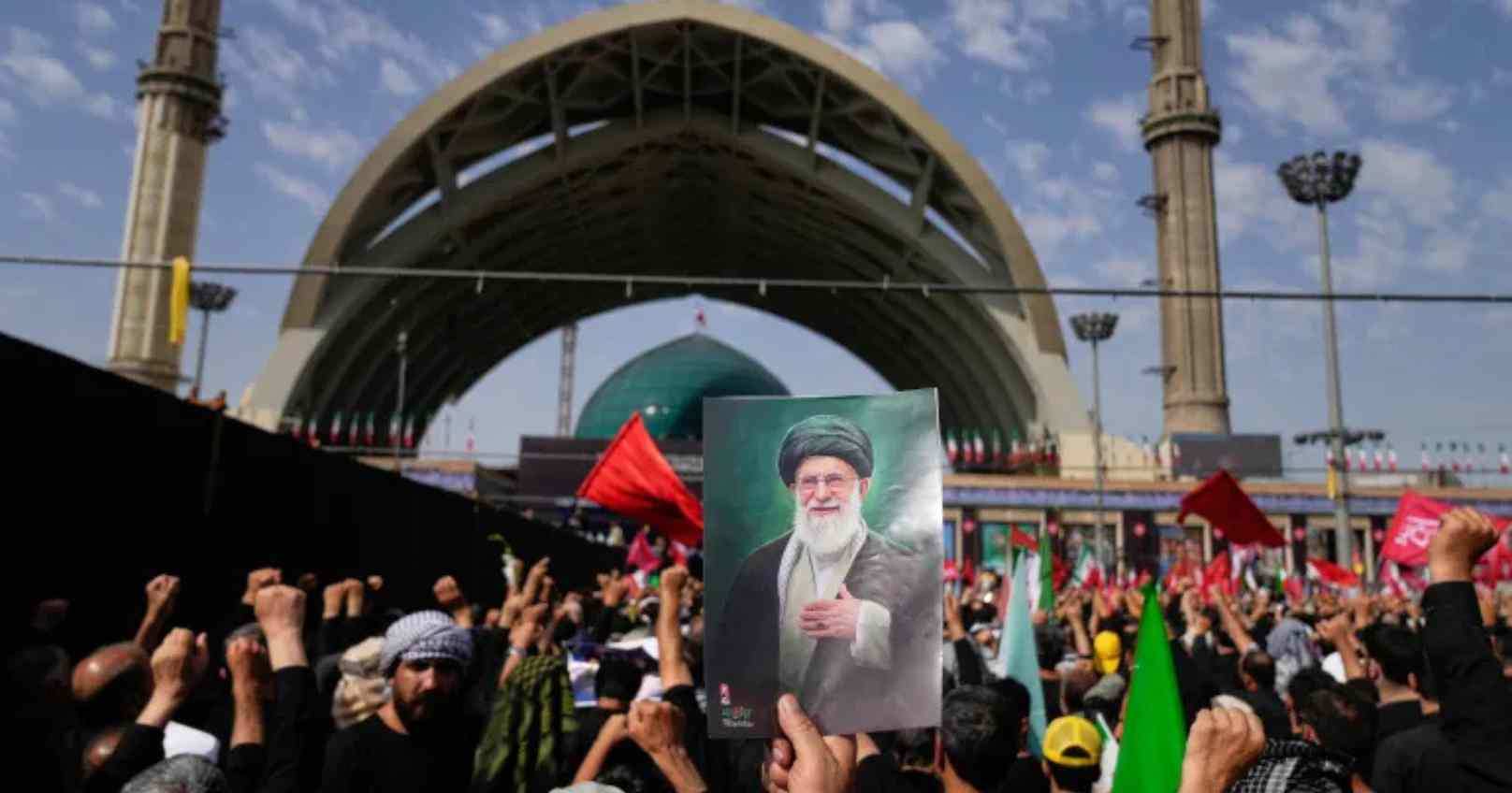
Iran has formally expressed appreciation to India for sending an official delegation to the state funeral of former Supreme Leader Ayatollah Ali Khamenei, a gesture that came amid reports suggesting several countries either stayed away from the ceremonies or lowered the level of their representation following alleged pressure from the United States.
In a statement shared on X, the Embassy of the Islamic Republic of Iran in New Delhi thanked the Government and people of India for participating in the funeral and paying tribute to the late Iranian leader. The embassy described India's presence as a reflection of the long-standing friendship between the two countries and said the gesture would further strengthen bilateral ties.
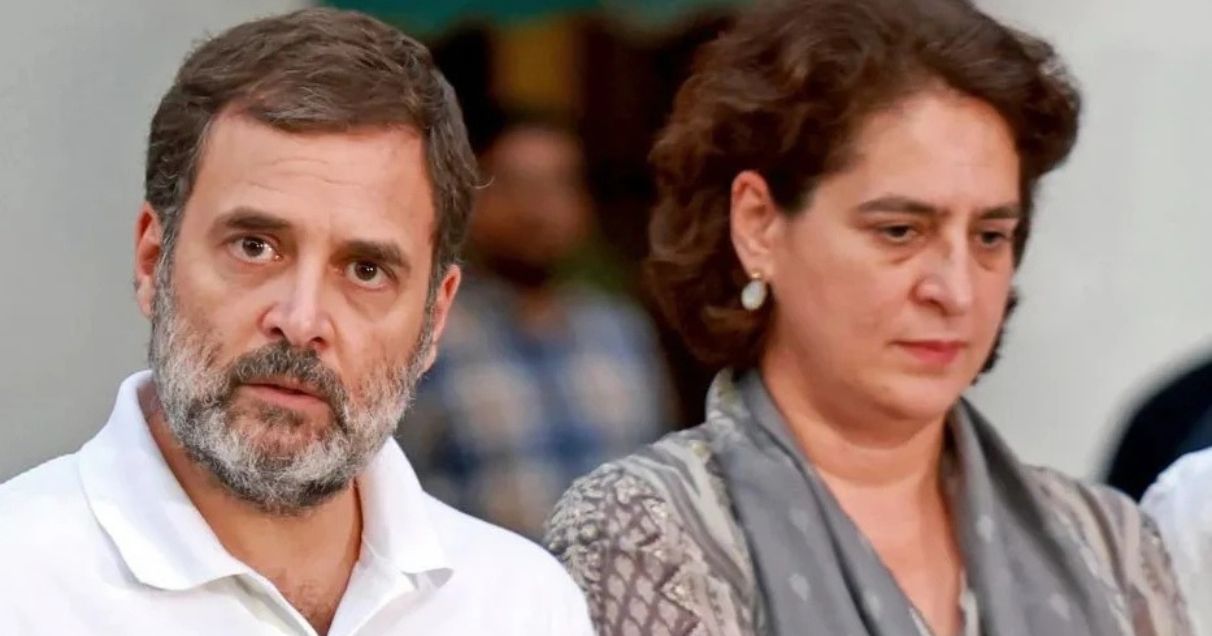
India's official delegation was led by Minister of State for External Affairs Pabitra Margherita and Bihar Governor Lt Gen (Retd.) Syed Ata Hasnain. They were joined by several Indian political and religious personalities, including former Jammu and Kashmir Chief Minister Mehbooba Mufti, former External Affairs Minister Salman Khurshid and representatives from different faith communities.
The Iranian mission said the people of Iran deeply valued India's support during the period of national mourning and expressed confidence that the goodwill shown by New Delhi would reinforce the historical relationship shared by the two nations.
The public message from Tehran coincided with a report by Iran's semi-official Tasnim News Agency, which claimed the United States had undertaken a diplomatic effort to discourage countries from sending delegations to Khamenei's funeral.
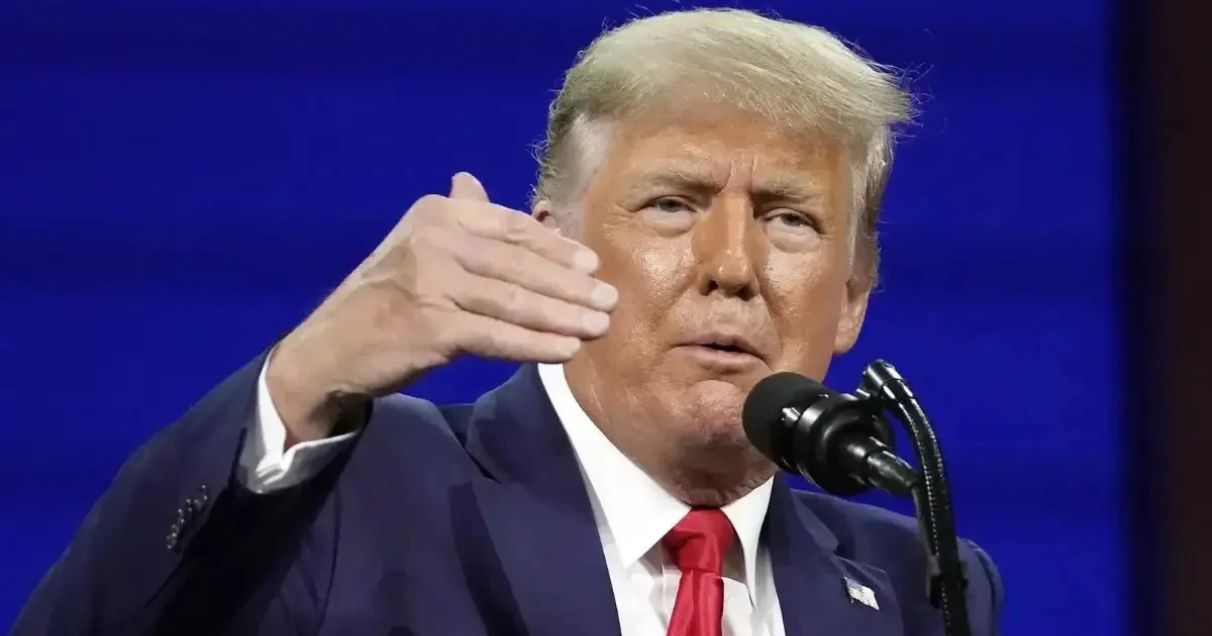
According to the report, Washington allegedly contacted multiple governments in the days leading up to the ceremonies, warning that participation could negatively affect their ties with the United States. Tasnim, citing unnamed Iranian sources, claimed US Secretary of State Marco Rubio personally reached out to several Arab governments, while American diplomatic missions elsewhere conveyed similar messages to other countries.
The report further alleged that some governments were cautioned about possible consequences, including reduced development assistance or strain in bilateral relations, if they chose to attend the funeral. Tasnim claimed at least 13 countries either withdrew their delegations or opted for lower-level representation, though it did not identify those nations by name. At the time of reporting, neither the US State Department nor Marco Rubio had publicly responded to the allegations.
Providing additional context, regional affairs researcher Mehran Haghirian noted that countries such as Saudi Arabia, Qatar and Oman were represented at the funeral, while the United Arab Emirates, Kuwait and Bahrain did not send official delegations.
India's participation reflects its longstanding diplomatic approach of maintaining engagement with diverse partners across the Middle East. While New Delhi enjoys close strategic ties with the United States, Israel and several Gulf nations, it has also preserved its historic relationship with Iran, particularly in areas such as connectivity, regional cooperation and energy security.
By publicly acknowledging India's presence, Iran highlighted the importance it attached to New Delhi's participation during one of the country's most significant state ceremonies in recent years. The funeral attracted delegations from numerous countries and religious organisations, underscoring the late leader's influence and Iran's diplomatic outreach despite ongoing regional tensions.
Following ceremonies in Tehran, Khamenei's final rites are expected to continue in the religious city of Qom before his remains are taken to the Iraqi holy cities of Najaf and Karbala and later returned to Mashhad for the concluding ceremonies.