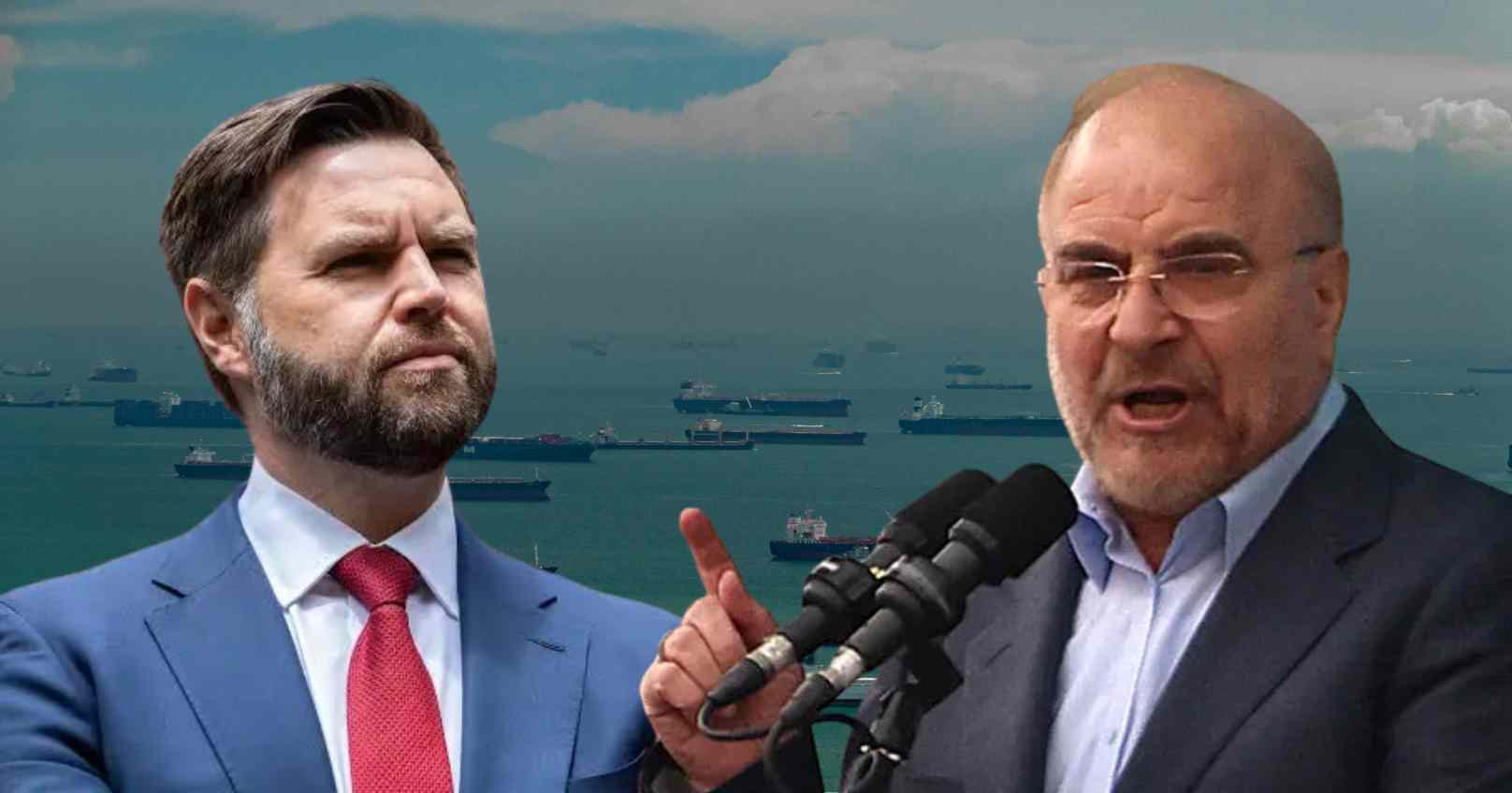
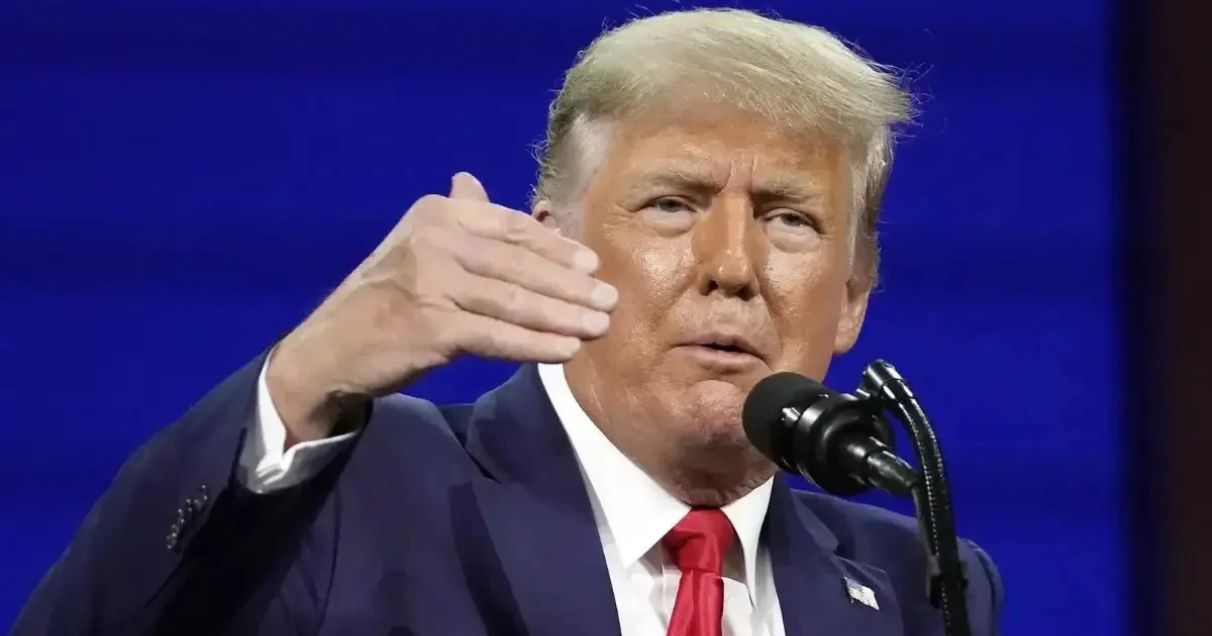
Negotiations between the United States and Iran commenced in Islamabad on Saturday under a fragile truce announced earlier by US President Donald Trump. The American side is being led by Vice President JD Vance, while Iran is represented by Parliament Speaker Mohammad Bagher Ghalibaf.
Pakistan Prime Minister Shehbaz Sharif described the engagement as the “Islamabad talks” and confirmed that the discussions are being hosted in Pakistan. The development follows Trump’s declaration of a two-week ceasefire and his assertion that Islamabad had urged Washington to pursue diplomatic engagement with Tehran.
Why Pakistan Is Betting Big on Diplomacy
For Islamabad, facilitating dialogue is not merely about international visibility. Analysts suggest it is a defensive move aimed at shielding the country from regional instability. Pakistan shares a long border with Iran and also maintains a defence arrangement with Saudi Arabia, Tehran’s regional rival.
Raza Rumi, a US-based Pakistani commentator, told DW News that Islamabad is attempting to re-establish its diplomatic relevance by leveraging relationships with Washington, Tehran and Gulf capitals.
The stakes are high. South Asia expert Abdul Basit warned in comments to BBC that a breakdown in negotiations could place Pakistan in a “nightmare scenario,” potentially forcing it into confrontation with Iran because of its security commitments to Riyadh.
Pakistan and Saudi Arabia formalised a mutual defence pact last year, pledging collective response in the event of aggression against either side. Although Islamabad refrained from joining the recent hostilities involving Iran, it has publicly criticised attacks on Saudi interests.
A Three-Front Security Concern
Pakistan’s strategic anxieties extend beyond its western border with Iran. The country is already grappling with tensions along its frontier with Afghanistan and persistent unrest in Balochistan. A renewed US-Iran confrontation could intensify instability across multiple borders simultaneously.
Kamran Bokhari of the Middle East Policy Council told Reuters that Pakistan is keen to avoid chaos in Iran, which would aggravate its own security vulnerabilities.
Complicating matters further is Islamabad’s relationship with Washington. As the only US ally sharing a border with Iran, Pakistan could face pressure to provide logistical or military access if hostilities resume. Such a move would be politically sensitive at home, particularly given the country’s sizeable Shia population and its longstanding positioning within the broader Islamic world.
For Army Chief Asim Munir and Prime Minister Sharif, balancing ties with the US while avoiding domestic backlash would be an exceptionally delicate exercise.
Economic Pressures Add to Urgency
Beyond security considerations, Pakistan’s fragile economy heightens the urgency for de-escalation. A prolonged Middle East conflict has already disrupted energy markets, with rising oil prices straining Islamabad’s finances.
Farwa Aamer of the Asia Society Policy Institute told DW News that continued conflict would deepen economic and geopolitical instability.
Pakistan relies heavily on energy imports from Gulf states and counts millions of expatriate workers in the region. Disruptions around the Strait of Hormuz have contributed to fuel shortages and price spikes, prompting conservation measures such as reduced market hours and remote work policies.
A Diplomatic Gamble
Hosting the talks allows Pakistan to project itself as a mediator while seeking insulation from a conflict it cannot afford. Yet, if negotiations falter, Islamabad could find itself squeezed between alliance commitments, border security challenges and mounting economic stress.
For Pakistan’s leadership, the success of the Islamabad dialogue may determine whether the country remains a facilitator of peace — or becomes entangled in a war beyond its means.