Johnson & Johnson has agreed to a proposed settlement estimated at $5.5 billion to resolve tens of thousands of lawsuits alleging that its talcum powder products contributed to ovarian cancer, in what could become one of the largest settlements in a long-running US product liability battle.
The agreement would cover approximately 76,000 existing cases pending in federal and state courts across the United States. It represents almost all of the remaining ovarian cancer claims against the healthcare company.
However, the settlement will proceed only if at least 95% of eligible claimants agree to its terms. If that threshold is reached, the deal could bring an end to litigation that has continued for more than 10 years and involved numerous trials, appeals and failed attempts to settle the claims through bankruptcy proceedings.
Why Has J&J Chosen to Settle?
Johnson & Johnson has consistently rejected allegations that its talc products caused cancer. The company has also maintained that its products are free from asbestos and has argued that scientific research does not establish a link between talcum powder and ovarian cancer.
The company says its decision to settle is intended to eliminate the financial and operational burden of prolonged litigation rather than an admission that the claims are valid.
J&J expects to make approximately $3 billion in payments during 2027, with the remainder due in 2028.
The eventual cost, however, could be higher than the estimated $5.5 billion figure. Chris Seeger, a lead attorney representing thousands of claimants, told Reuters that the total amount could potentially cross $7 billion depending on participation in the settlement.
What Do the Lawsuits Allege?
The cases were brought by women who claimed that prolonged use of Johnson & Johnson's baby powder and other talc-based products contributed to their development of ovarian cancer.
Some plaintiffs also alleged that the products contained asbestos, a substance known to pose serious health risks.
J&J has repeatedly disputed both claims and has pointed to decades of research to support its position that its talc products are safe.
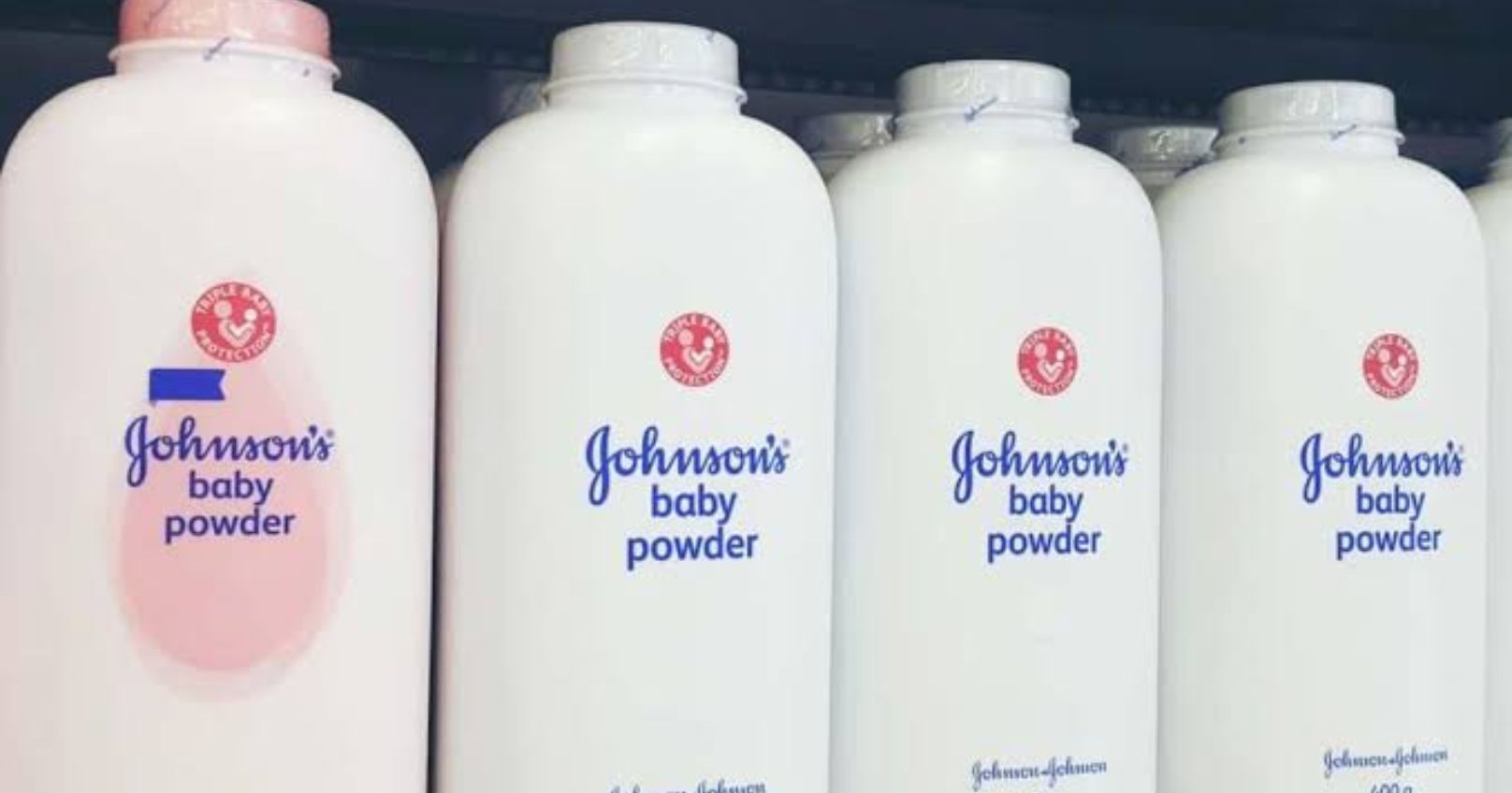
The company discontinued sales of its talc-based Johnson's Baby Powder in the US in 2020 and subsequently switched to a cornstarch-based version.
Why Could the Deal Be Important?
If approved, the proposed settlement could resolve almost all existing ovarian cancer lawsuits against the company at once.
The arrangement, however, would not prevent people who have not yet filed claims from bringing lawsuits in the future. By excluding future cases, the settlement could allow a greater share of the available funds to be distributed among current claimants.
The structure is also expected to provide compensation to participating plaintiffs considerably sooner than a prolonged court battle, with payments potentially being completed within around 18 months rather than extending over many years.
J&J's Long Legal Fight
The company's legal battle over talc has produced mixed results. While some trials have ended in significant verdicts against J&J, the company has also secured victories in a number of cases and successfully challenged some of the evidence presented by plaintiffs.
Its legal team has also obtained rulings that prevented certain lawyers from representing claimants and limited some of the scientific material that could be presented in court.
A federal judge reportedly questioned just last week whether individual plaintiffs could establish a direct link between their ovarian cancer and talc exposure, a development that potentially strengthened the company's position.
Despite these legal successes, J&J has opted to pursue a broad settlement in an effort to end the uncertainty and costs associated with the litigation.
The Controversial 'Texas Two-Step' Strategy
One of the most contentious aspects of the dispute involved a legal manoeuvre known as the "Texas two-step".
Under the strategy, Johnson & Johnson created a separate subsidiary and attempted to use bankruptcy proceedings to consolidate the talc-related claims into a single process.
Plaintiffs strongly opposed the approach, arguing that the company was attempting to use bankruptcy protection to limit its exposure despite being financially healthy.
Courts ultimately rejected all three bankruptcy attempts, allowing the lawsuits to continue. The litigation resumed in March 2025.
The proposed settlement will now be presented to eligible claimants for consideration. Should at least 95% of the approximately 76,000 claimants approve the deal, J&J could finally draw a line under one of the most extensive product liability disputes in US corporate history.
If the required approval threshold is not reached, the company could once again face years of individual lawsuits and courtroom battles across the country.