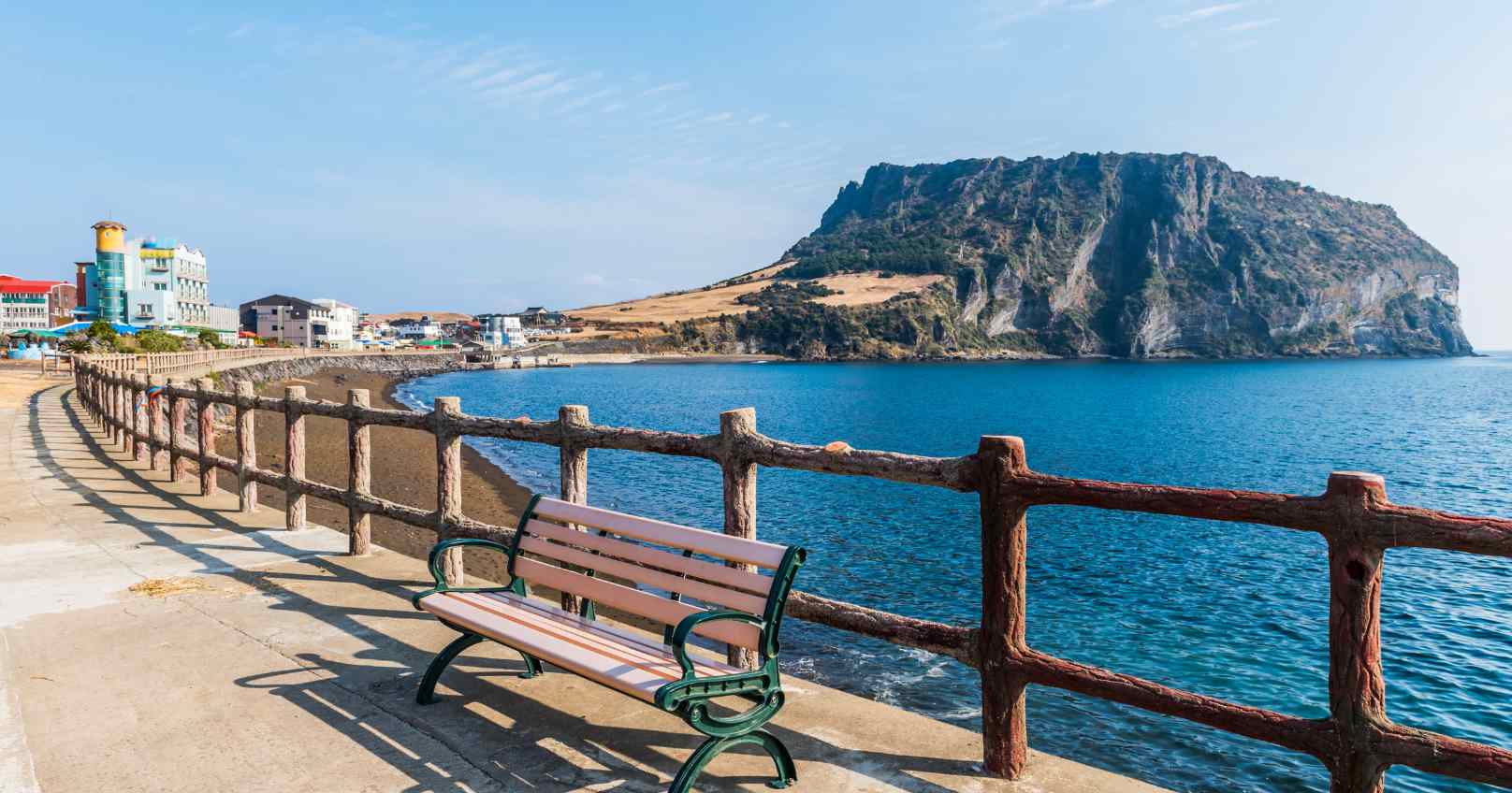
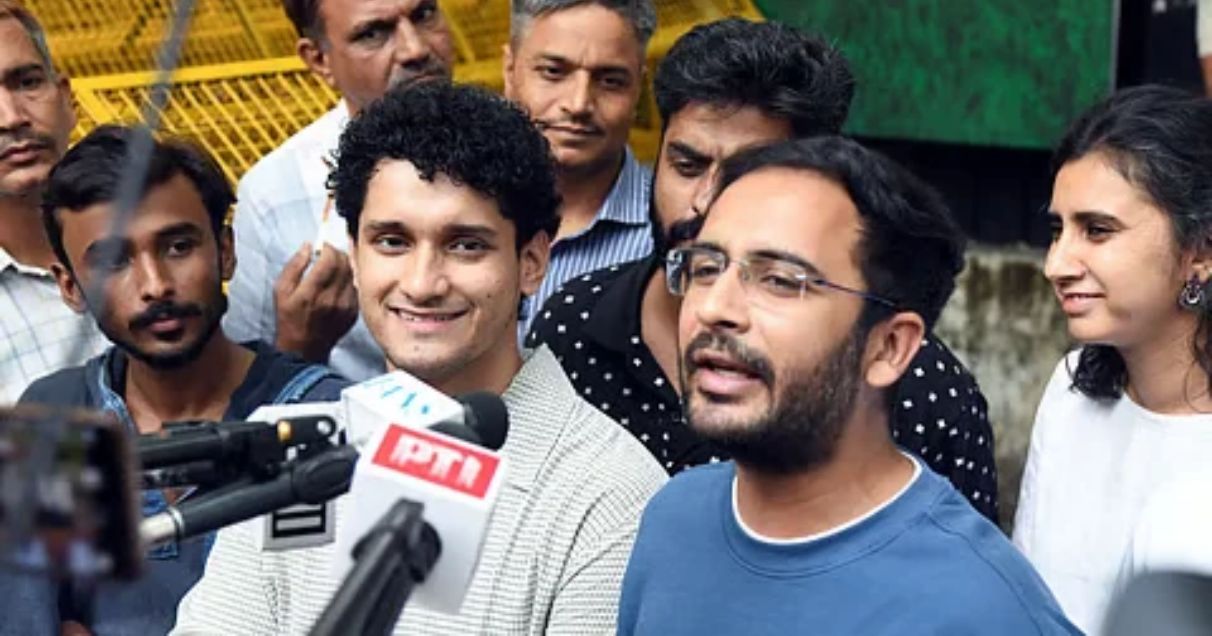
A recent travel episode involving Indian YouTuber Sachin Awasthi has triggered renewed debate around entry procedures at Jeju Island, prompting the Embassy of India in Seoul to publish a fresh advisory for travellers.
Detained and Sent Back
Awasthi and his wife had travelled to Jeju in December for what they expected would be a holiday under the island’s visa-free programme. Instead, they were denied entry upon arrival and later deported.
In a video posted days ago, Awasthi described the experience as deeply distressing. According to him, the issue began during transit in Bangkok, where airline staff allegedly asked him to show a specified amount of cash before allowing boarding.
After arranging funds, the couple continued their journey. Upon landing in Jeju, he said immigration officers examined their passports, recorded fingerprints, and questioned them via an interpreter over the phone. Eventually, they were informed that their stated purpose of visit was not considered sufficiently clear.
Despite carrying return tickets, accommodation bookings, travel insurance, and citing prior international travel, the couple was refused entry. Awasthi further claimed they were housed overnight in a restricted holding facility until arrangements were made to send them back. He opted to purchase tickets for the next available flight, which he said were significantly more expensive than usual fares.
South Korean immigration authorities have not issued a public statement regarding the specific case. Under global aviation norms, airlines are responsible for repatriating passengers who are refused entry.
Embassy Advisory for Travellers
Soon after the video gained attention online, the Indian Embassy in Seoul released a formal advisory addressing concerns related to Jeju’s visa waiver scheme.
The mission acknowledged that it periodically receives reports of Indian travellers being denied entry upon arrival. It emphasised that admission under the visa-free facility is limited strictly to short-term tourism and that the final decision rests entirely with immigration officials at Jeju International Airport, in accordance with Korean law.
Crucially, the advisory clarified that eligibility under the visa waiver does not guarantee entry.
Documentation Requirements
The Embassy urged Indian nationals to carry printed copies — not just digital versions — of essential documents, including:
-
Confirmed return flight tickets
-
Hotel reservations covering the entire stay
-
A clear, day-by-day travel plan
-
Proof of sufficient funds such as bank statements, forex or international cards
-
A passport valid for at least six months
-
Travel insurance (strongly recommended)
-
Contact details of accommodation
Travellers were cautioned that inability to convincingly explain their itinerary may result in refusal of entry.
Financial preparedness was highlighted as particularly important. Immigration officials may question visitors about their expenses and means of support during their stay.
Interviews and Holding Facilities
The advisory also noted that immigration interviews are standard procedure. Visitors are encouraged to respond calmly and consistently to queries. If an officer is not satisfied, entry may be denied.
It further reminded travellers that Jeju’s visa waiver applies only to the island and does not permit onward travel to mainland South Korea without an appropriate visa. Attempting to do so could attract penalties or future entry bans.
In cases of refusal, travellers are typically placed on the next available return flight operated by the same airline. Depending on flight schedules, individuals may have to remain temporarily in a designated holding area at the airport.
Role of the Embassy
The Embassy clarified that it cannot intervene in or overturn immigration decisions. However, it stated that it will coordinate with Korean authorities to ensure reasonable assistance for Indian nationals facing difficulties while in holding facilities.
Contact details for the Consular Wing, including emergency numbers for after-hours situations, have been provided for travellers who may require assistance.
A Broader Reminder
Jeju, officially known as Jeju Special Self-Governing Province, operates a limited visa-free regime aimed at boosting tourism as part of its “Free International City” initiative. However, entry remains subject to scrutiny and compliance with local immigration rules.
The latest advisory serves as a reminder that visa-free travel does not eliminate the need for documentation, clarity of purpose, and financial proof. For Indian travellers planning a trip to Jeju, preparation may prove crucial in avoiding unpleasant surprises at arrival counters.