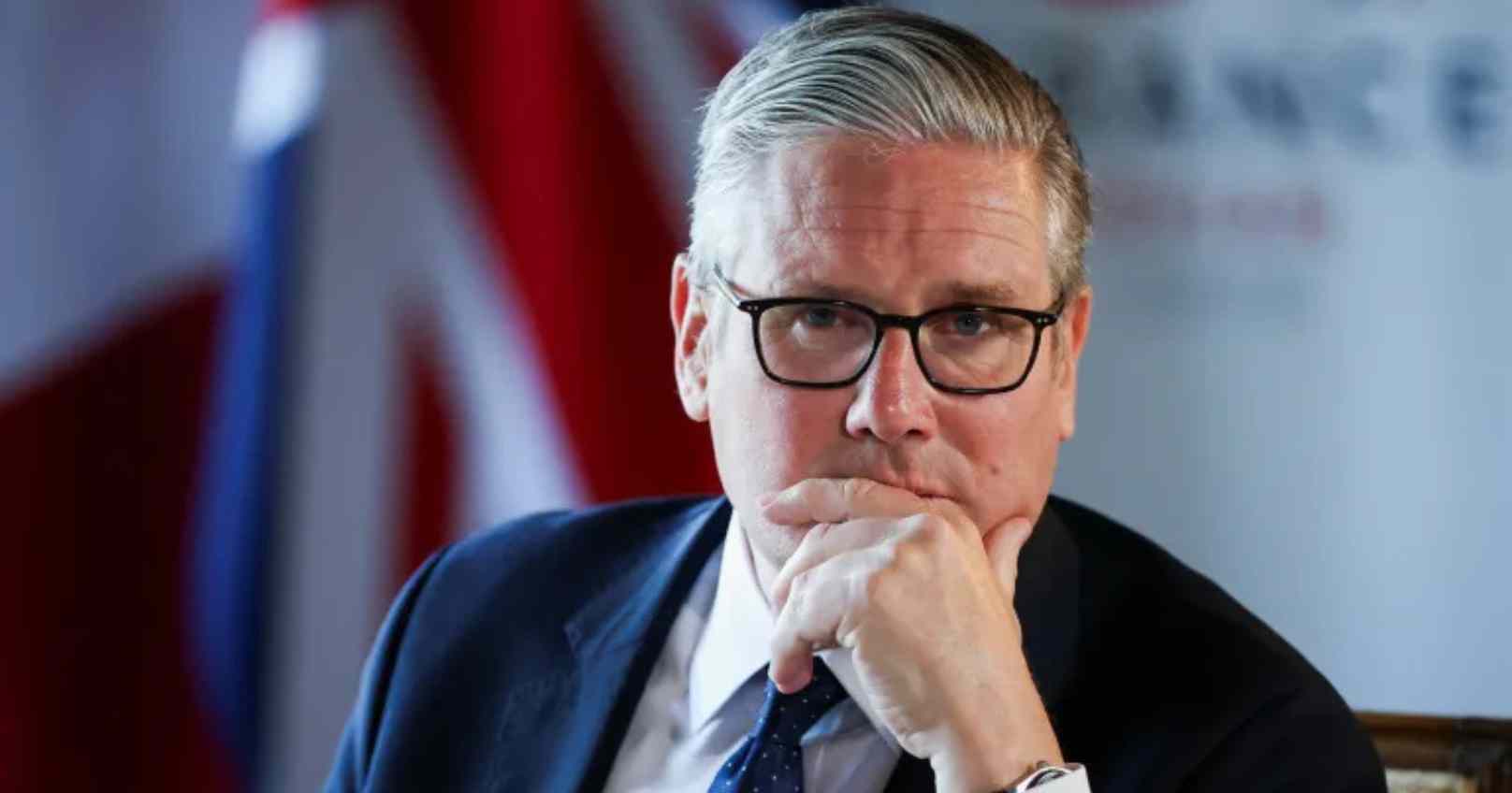
UK Prime Minister Keir Starmer said on Monday that he would resign from office, bowing to mounting pressure from within the Labour Party after weeks of internal unrest over his leadership.
Speaking outside 10 Downing Street alongside his wife Victoria, Starmer confirmed that he would step aside after concluding that he no longer had sufficient backing from Labour MPs to continue leading the party into the next general election. He will remain in office temporarily until a successor is chosen.
In his resignation remarks, the 63-year-old reflected on his rise to power and described entering Downing Street after Labour’s sweeping 2024 election win as one of the defining moments of his life. He said his time in politics had been driven by a desire to improve the lives of ordinary people and insisted that every major decision he took in government had been guided by what he believed was best for the country.
Starmer used the speech to defend his record in office, pointing to what he said were gains on the economy, public services and social policy. He cited wage growth outpacing inflation, infrastructure investment, falling NHS waiting lists and stronger protections for workers and renters as some of the achievements under his leadership. He also highlighted higher defence spending, measures aimed at cutting child poverty and efforts to curb small boat crossings.
At the same time, Starmer acknowledged the political reality confronting him: Labour lawmakers no longer believed he was the right person to lead the party into the next national vote, which is due by 2029. Accepting that verdict, he said he would ask Labour’s governing bodies to begin the formal process of selecting a new leader.
The party is expected to open nominations in July, with the aim of putting a new leader in place before Parliament returns after the summer. If the contest proceeds on schedule, Britain could have a new prime minister by September.
The announcement marked a sharp turnaround for Starmer, who until recently had insisted he would resist any attempt to remove him. But discontent inside Labour had been growing for months amid a run of policy reversals, public criticism and weakening support both in opinion polls and among party MPs.
His position became even more fragile after a strong political comeback by Labour rival Andy Burnham, whose return to Westminster gave him a fresh platform and intensified speculation over a leadership challenge. Reports suggested that more than 100 Labour MPs had either urged Starmer to quit or demanded clarity over when he would go.
During the latter part of his farewell speech, Starmer became emotional while speaking about his family. Thanking his wife and children for their support, he said leaving office would allow him to focus more on being a husband and father — roles he described as the most important in his life.
Starmer’s exit adds another chapter to the instability that has gripped British politics since the Brexit era. Whoever replaces him will become the seventh UK prime minister since the 2016 referendum, underscoring the rapid churn at the top of British government over the past decade.
For Labour, the leadership transition now comes with major stakes. The party must not only choose a new leader but also try to steady a government that came to power with a huge majority, only to see its political standing erode in less than two years.