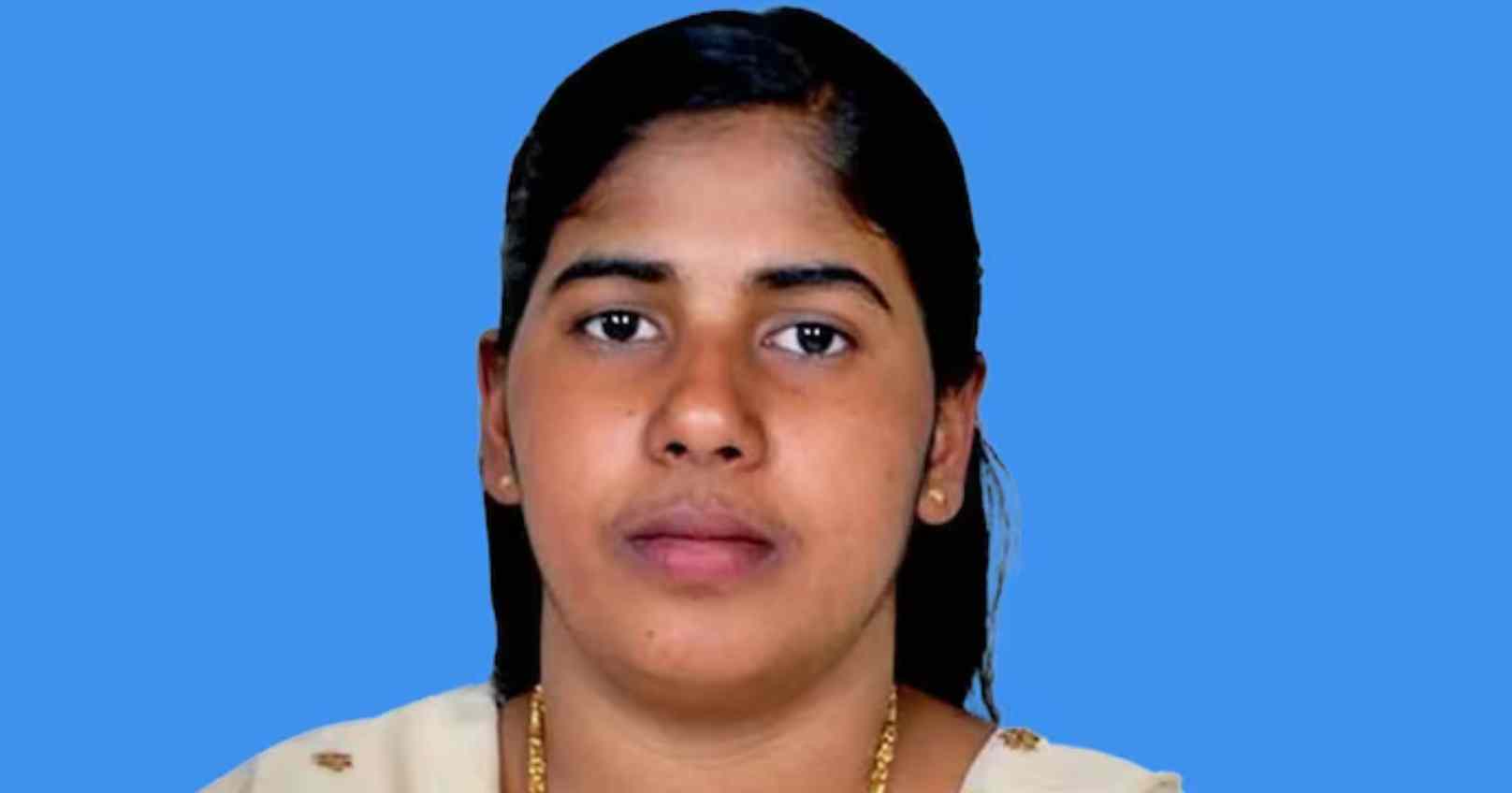
Nimisha Priya, a nurse from Kerala sentenced to death in Yemen, has been granted a temporary reprieve as her scheduled execution on July 16 has been deferred. Yet, hopes for a pardon remain dim as the family of the victim continues to demand strict retributive justice under Islamic law, refusing any form of financial settlement.
The 36-year-old had moved to Yemen in 2008 in pursuit of better career prospects. Over time, her relationship with her Yemeni business associate, Talal Abdo Mahdi, deteriorated. According to Yemeni investigators, Priya tried to reclaim her passport by administering sedatives to Mahdi, which allegedly resulted in a fatal overdose. She and another nurse are accused of dismembering his body and disposing of the remains in a water tank.
Nimisha was convicted in 2020 for the 2017 murder of Mahdi and sentenced to death. Her family has been attempting to secure her release by offering diyah—monetary compensation permitted under Islamic law as an alternative to capital punishment. However, the victim's family remains adamant that only Qisas—an eye for an eye—will suffice.
Victim's Family Rejects All Reconciliation
Talal’s brother, Abdelfattah Mahdi, made a strongly worded statement on social media condemning all ongoing efforts to broker peace or negotiate compensation. “We have rejected every attempt at mediation—public or private. We demand Qisas. No money, no negotiation,” he declared in a Facebook post.
He also expressed frustration over the delay in execution, saying, “Delays only prolong pain. We’ve made our position clear: blood cannot be bought, and we will not accept any pressure. Justice must be served in full, with God’s will.”
Understanding Qisas in Islamic Law
Yemen follows Islamic criminal law where Qisas, or retributive justice, allows the victim’s family to demand capital punishment in murder cases. Based on the Quranic principle of proportional justice, Qisas is a legally recognised doctrine in countries with Sharia-based legal systems, such as Saudi Arabia, Pakistan, Iran, and Yemen.
Though Qisas allows the family of the victim to accept blood money (diyah) and forgive the convict, it also grants them the power to refuse any such settlement. In Nimisha's case, this door to clemency appears firmly shut.
Legal experts and human rights advocates continue to monitor the case, as diplomatic efforts from India attempt to intervene. But with the victim’s family unwilling to consider any compromise, Nimisha’s fate hangs precariously in the balance.