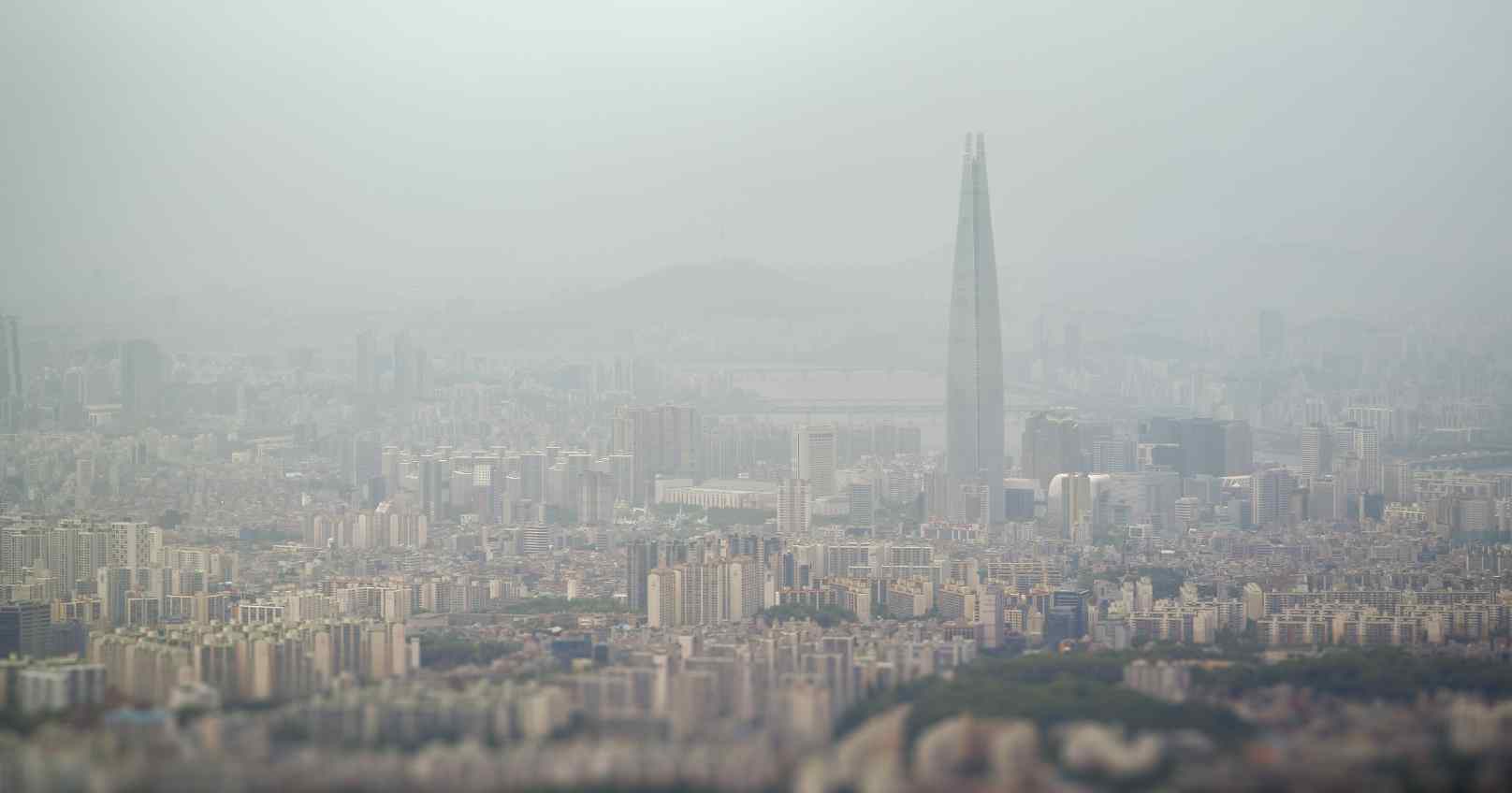
Lahore, the capital of Pakistan’s Punjab province, has once again earned the grim distinction of being the world’s most polluted city, with thick, toxic smog blanketing the metropolis and disrupting the lives of over 14 million people.
According to data from air quality monitoring platform IQAir, the city recorded an Air Quality Index (AQI) of 412 at 8:30 am on Saturday, categorised as “hazardous.” The concentration of PM2.5 — fine particulate matter harmful to human health — was over 56 times higher than the World Health Organisation’s (WHO) recommended annual safety limit.
Residents across the city complained of burning eyes, sore throats, and breathing difficulties as visibility dropped sharply amid the worsening haze. Health experts have urged citizens to avoid unnecessary outdoor movement and wear protective masks to minimise exposure.
Annual Crisis Returns
Smog has become a recurring menace in Lahore every winter, caused by a mix of vehicle emissions, industrial discharge, stubble burning, and meteorological factors that trap pollutants near the ground. With cooler temperatures and weak wind patterns, toxic particles accumulate rapidly in the air.
On Friday, Lahore’s AQI stood at 362, already in the “hazardous” range. Some localities reported even more alarming figures — Shalimar recorded 690, Shadman 611, and Syed Maratib Ali Road 609, according to Dawn.
The Pakistan Meteorological Department (PMD) has warned that the dense smog will continue for several days, particularly across eastern Punjab, as wind speeds remain between 4 and 7 km/h.
Pollution Sources and Cross-Border Impact
PMD officials have attributed the smog to vehicular and industrial emissions, while also pointing to external factors such as pollutants drifting from India, worsened by Diwali fireworks and weak air circulation.
Cities including Faisalabad, Gujranwala, Sahiwal, and Multan have also reported sharp rises in air pollution levels as the toxic cloud spreads across the region.
Children, senior citizens, and individuals with respiratory conditions are most at risk, authorities cautioned.
Punjab Government’s Response
In response to the escalating crisis, the Punjab provincial government has rolled out a set of emergency measures aimed at curbing air pollution. These include a province-wide ban on plastic bags, relocation of brick kilns, and the establishment of a dedicated “smog war room” to coordinate efforts.
Senior Minister Marriyum Aurangzeb said the administration was executing a “comprehensive plan” to combat the smog crisis.
“For the first time in Punjab’s history, a ban has been imposed on plastic bags. Smog threatens not only health but also daily life and business activity,” she said.
Authorities have deployed anti-smog guns and water sprinklers on major roads across Lahore to reduce particulate matter. A public awareness campaign has also been launched to promote community participation in maintaining cleaner air.
Police have intensified their crackdown on pollution offenders — so far, 83 people have been arrested for illegal emissions, tyre burning, and waste incineration.
Officials have urged residents to report environmental violations via the government’s newly established helpline, emphasising that collective effort is key to tackling Lahore’s deepening environmental emergency.