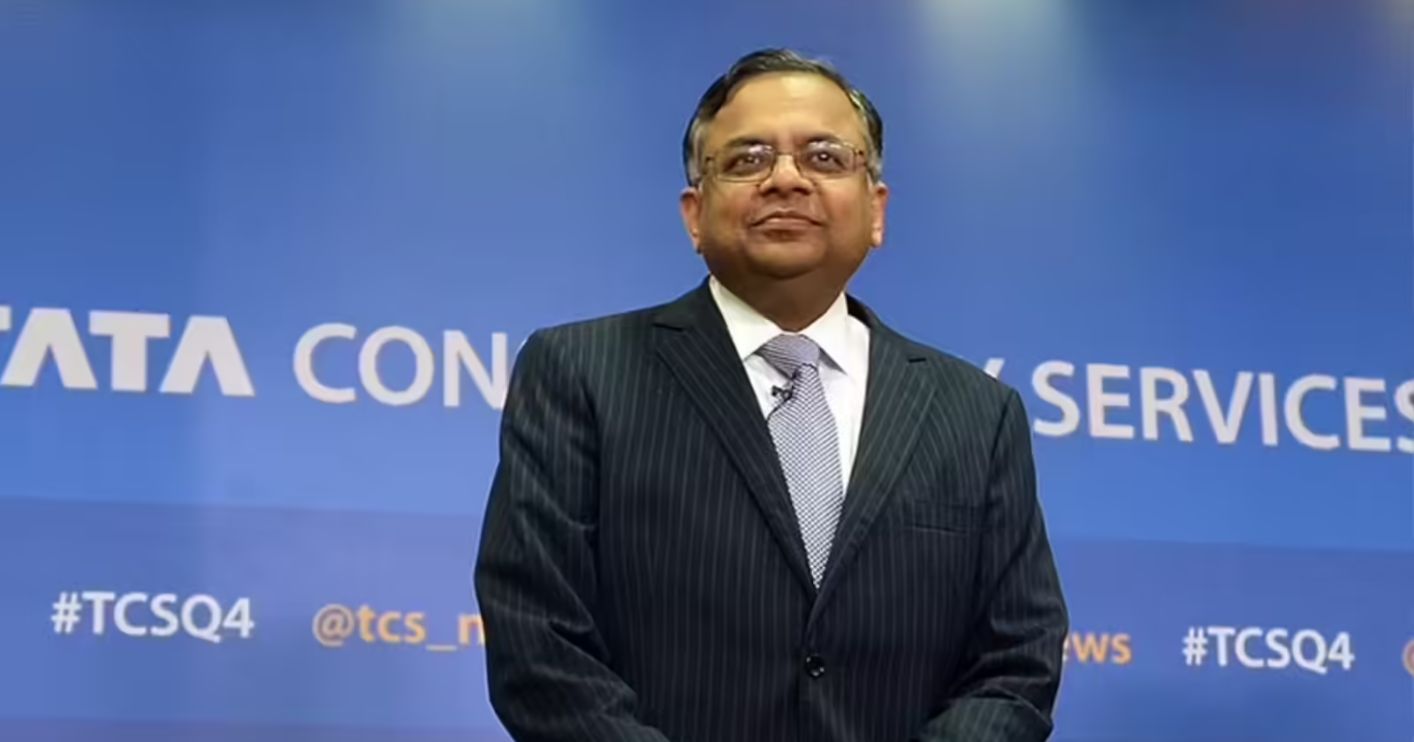
N Chandrasekaran has resigned as chairman of Tata Sons but will continue in the position until the end of his existing term in February 2027. He has made it clear that he will not seek another term after that.
The announcement comes ahead of the Tata Sons annual general meeting on August 18 and at a time when differences within the group's leadership over succession and governance have come into focus. Reuters reported that Chandrasekaran's decision followed a lack of board consensus on extending his tenure.
Chandrasekaran said he had spent four decades with the Tata Group and described his decade leading Tata Sons as a privilege and a major responsibility. He has asked the board to begin the succession process soon so that the transition can be planned properly.
Why did Chandrasekaran decide to leave?
Chandrasekaran's current term runs until February 20, 2027. The Tata trusts had backed a further five-year term, and the proposal had also gone through the Tata Sons Nomination and Remuneration Committee and the board.
However, the proposal did not receive unanimous backing at a February 24, 2026 board meeting. With no consensus emerging over the following months, Chandrasekaran decided against seeking another term.
The development comes amid reported differences between Tata Sons and Tata Trusts, which holds a controlling stake in Tata Sons. Areas of disagreement have included questions around governance, board representation and the future direction of the conglomerate.
What happens to Tata Group stocks?
The announcement immediately rattled investors.
Shares of several listed Tata Group companies fell after news of Chandrasekaran's decision emerged. Reuters reported that TCS shares dropped more than 5% during Wednesday's trading, while Tata Motors, Titan and Tata Steel also declined.
The market reaction reflected concerns about leadership continuity at one of India's largest business groups. Analysts, however, described the initial sell-off as a knee-jerk response and said the group could regain stability once a successor is identified.
Chandrasekaran's four-decade Tata journey
Chandrasekaran joined the Tata Group in 1987 and rose through the ranks of Tata Consultancy Services.
He became TCS chief executive in 2009 before being appointed chairman of Tata Sons in 2017. Under his leadership, the group expanded its presence across sectors including technology, airlines, steel, automobiles, defence, electronics and semiconductors.
His tenure also included several major challenges, including the integration of Air India into the Tata Group, pressure on TCS and the cyberattack affecting Jaguar Land Rover.
Tata Sons' own FY25 annual report lists Chandrasekaran as executive chairman and identifies Noel Naval Tata as a non-executive director.
Tata Trusts and Tata Sons tensions
The leadership question has unfolded against a backdrop of reported friction between Tata Sons and Tata Trusts.
Noel Tata, chairman of Tata Trusts, sits on the Tata Sons board. Tata Trusts holds a 66% stake in Tata Sons, giving it significant influence over the group's governance.
Reports have pointed to disagreements over issues including the group's strategic direction, governance arrangements and the future of Tata Sons.
Chandrasekaran's decision now puts succession at the centre of attention, with the board expected to work towards identifying the next chairman well before his current term expires.
What next for Tata Sons?
For now, Chandrasekaran remains in charge and is expected to complete his existing tenure through February 20, 2027. His resignation is therefore a decision not to seek reappointment rather than an immediate departure from the chairman's office.
The immediate priority will be finding his successor and ensuring an orderly handover at the holding company that oversees one of India's most diversified business groups.
With Tata Sons' AGM scheduled for August 18, the leadership transition is likely to remain a key focus for shareholders and the wider business community.