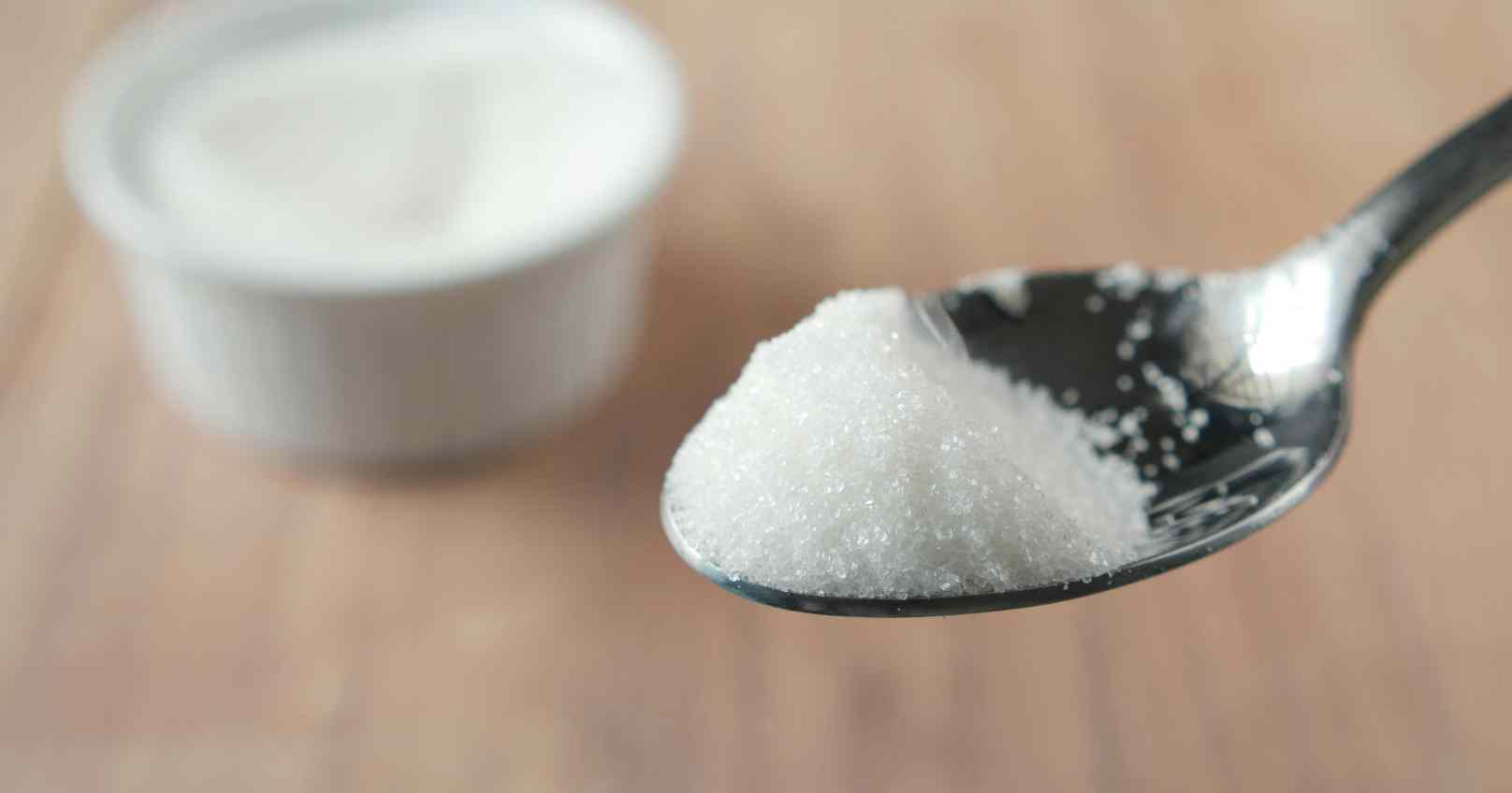
Researchers have uncovered a little-known natural sweetener that could transform the way people consume sugar. The compound, known as tagatose, delivers a taste remarkably close to ordinary sugar while containing significantly fewer calories and causing almost no rise in insulin.
Tagatose provides around 92 percent of the sweetness of table sugar but carries only about one-third of its caloric load. Unlike common sweeteners and refined sugar, it has a very mild impact on blood glucose, making it particularly attractive for individuals managing diabetes or metabolic disorders.
A team from Tufts University, in collaboration with US-based Manus Bio and Indian firm Kcat Enzymatic, has now devised a novel technique to manufacture tagatose efficiently and in large quantities. Their research, recently published in Cell Reports Physical Science, outlines a biological process that could finally make the sweetener commercially viable.
Although tagatose is found naturally in certain fruits and dairy products, it exists only in trace amounts, which has kept it out of mainstream use. Traditional manufacturing methods have been expensive and yielded limited output.
To tackle this challenge, scientists reprogrammed E. coli bacteria to function as microscopic production plants. By inserting a special enzyme originally discovered in slime mould—galactose-1-phosphate-selective phosphatase—they enabled the microbes to convert glucose into tagatose with an impressive efficiency rate of up to 95 percent, far exceeding earlier techniques.
“Current ways of making tagatose are neither economical nor scalable,” said biological engineer Nik Nair from Tufts University. “Our approach turns bacteria into highly effective factories that can transform abundant glucose into this healthier form of sugar.”
Beyond its metabolic advantages, tagatose is considered tooth-friendly and may even help suppress harmful bacteria in the mouth. It also remains stable under high temperatures, allowing it to be used in baked goods—an area where many artificial sweeteners fail.
Experts believe that with further refinement, the method could open doors for wider adoption of tagatose and other rare sugars in everyday foods. Industry analysts estimate the global market for tagatose could grow to around $250 million by 2032, driven by rising demand for healthier sweetening options.