No FASTag on Highways? Cash Users Pay Double, UPI Payments 1.25x Toll
Starting November 15, 2025, India’s National Highways will implement a new toll payment system aimed at promoting digital transactions and easing travel for motorists
15-10-2025

The Ministry of Road Transport and Highways (MoRTH) is set to roll out a revised toll payment structure across India’s National Highways from November 15, 2025, marking a major step toward digitising highway travel. The updated rules introduce a tiered toll system that encourages cashless payments while ensuring convenience for all drivers.
Key Changes to Toll Payments
Under the current system, vehicles without a valid FASTag—whether due to insufficient balance, technical issues, or the absence of a tag—are required to pay double the standard toll fee, regardless of payment method.
From mid-November, this will change. Cash payments will continue to be charged at twice the regular toll, but motorists opting for digital methods such as UPI or other approved platforms will pay 1.25 times the standard fee.
For example, a toll of Rs 100 via FASTag will now cost Rs 125 if paid digitally or Rs 200 in cash.
Why the Update Was Introduced
MoRTH’s official statement on October 4, 2025, highlighted that the amendment to the National Highways Fee (Determination of Rates and Collection) Rules, 2008 is designed to reduce cash usage at toll plazas. Officials said the move will help shorten waiting times, enhance transparency, and make highway travel smoother.
FASTag Explained
FASTag is an electronic toll collection system that uses RFID technology to automatically deduct toll charges from a linked prepaid or bank account, eliminating the need to stop at toll booths.
Obtaining a FASTag
Drivers can acquire FASTags from authorised banks, the National Highways Authority of India (NHAI), or digital platforms like Paytm and Amazon. Prepaid FASTags require periodic recharges based on usage.
FASTag Is Mandatory
Since January 1, 2021, FASTag is compulsory for all class M and N vehicles—four-wheelers and larger vehicles carrying passengers or goods—according to the amended Central Motor Vehicles Rules (CMVR), 1989. This ensures every vehicle on a National Highway toll plaza has an active FASTag linked to a payment account.
FASTag Annual Pass Offers Added Convenience
Earlier this year, MoRTH launched a FASTag Annual Pass, allowing private vehicle owners unlimited access to National Highways and Expressways for a one-time payment of Rs 3,000—valid for one year or up to 200 toll crossings, whichever comes first.
The initiative has seen an enthusiastic response, with 1.4 lakh registrations within the first 24 hours and over 5 lakh subscriptions by day four.
A More Efficient Highway Experience
With these new regulations, India’s highways are moving closer to fully cashless operations. Motorists using digital payments will benefit from lower toll rates, while the emphasis on FASTags ensures a smoother, faster journey.
For drivers planning weekend getaways or long-distance trips, keeping FASTags active—or preparing to pay via UPI—will ensure hassle-free and cost-effective travel across the country’s National Highways.

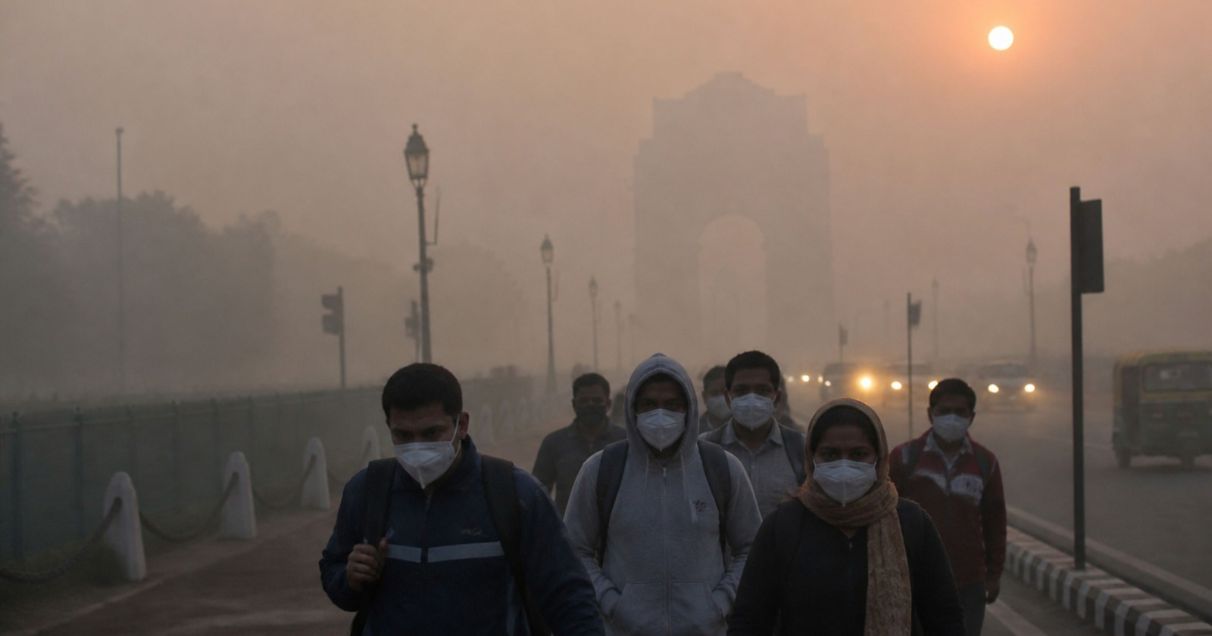
Delhi's air quality deteriorated sharply after Diwali, with PM2.5 concentrations crossing 3,700 micr
Read More
Pakistan has attributed Lahore’s deteriorating air quality to pollution allegedly carried across t
Read More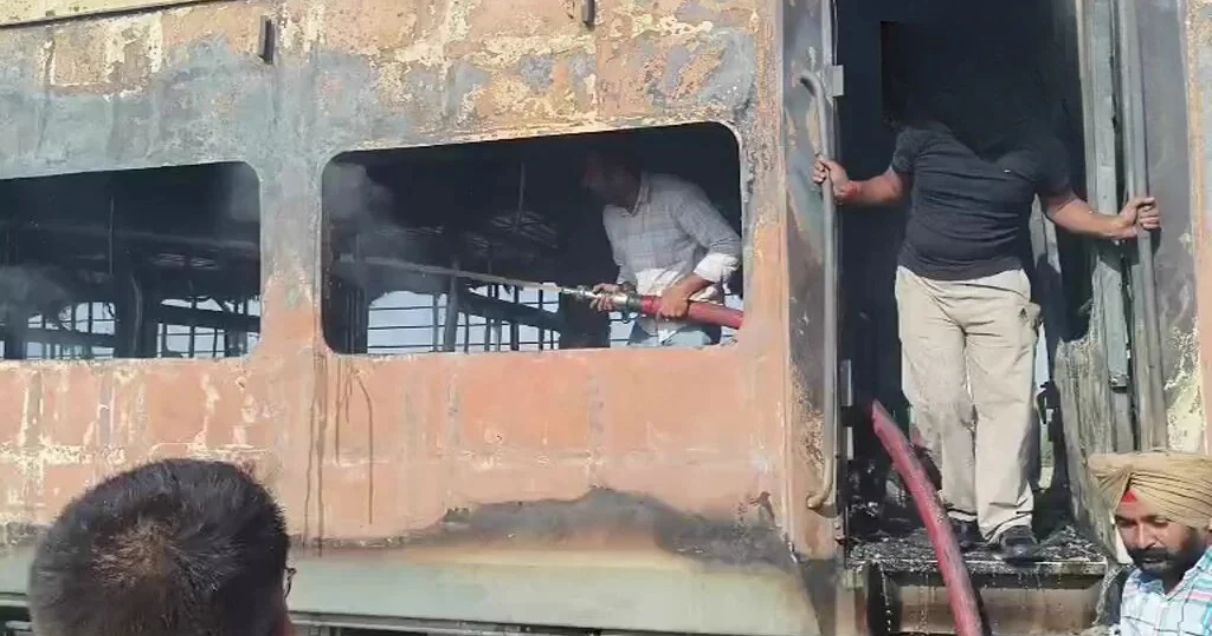
Four coaches of the Karmabhoomi Express caught fire near Rajpura in Punjab on Friday after a blaze r
Read More