Pakistan Positions Itself as Mediator in US-Iran Crisis
Islamabad moves swiftly to position itself as a mediator between Washington and Tehran amid rising Middle East hostilities
29-03-2026

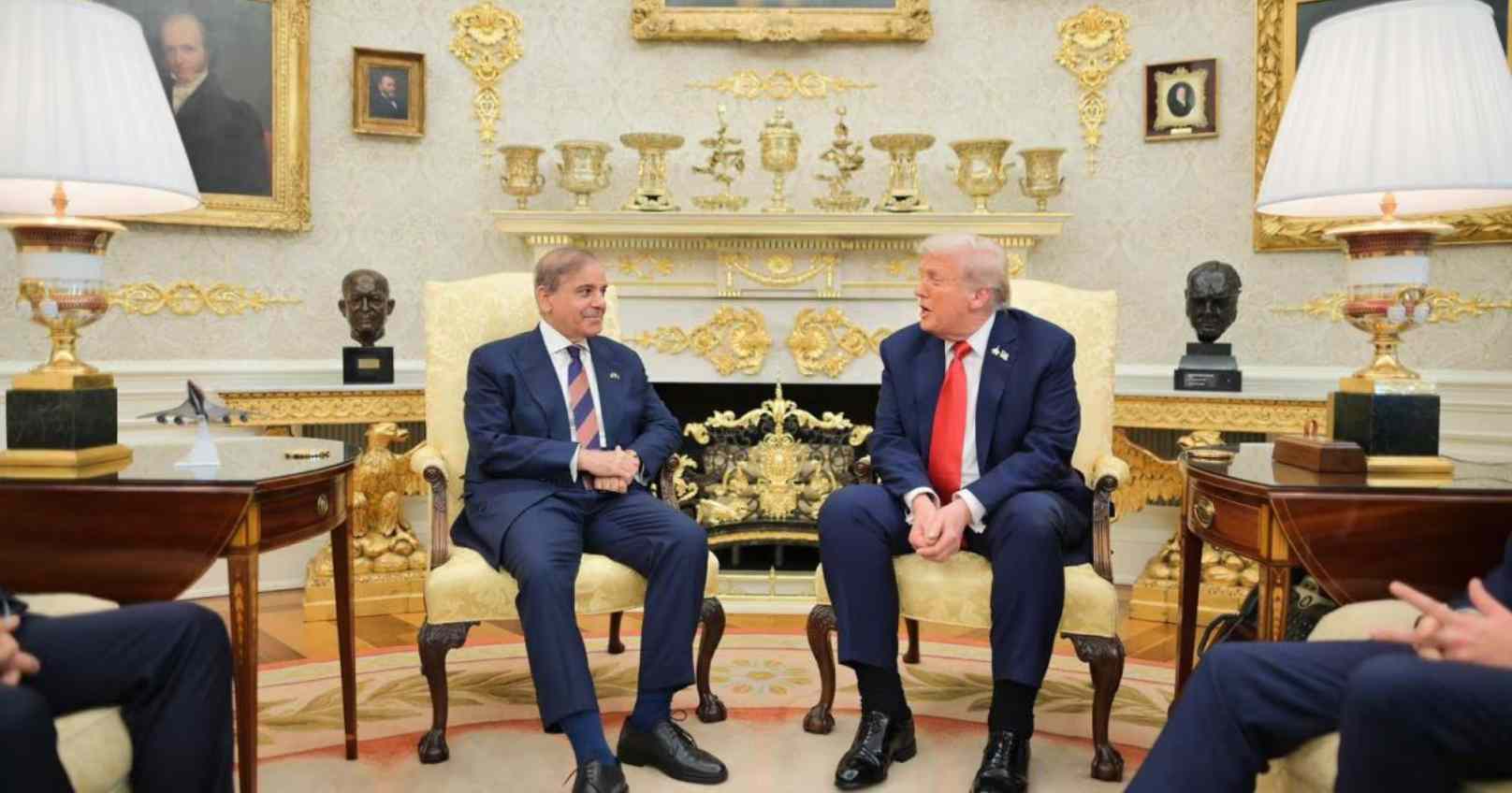
Pakistan, once sharply criticised by Washington for alleged double-dealing, is now attempting to reposition itself as a facilitator in the intensifying standoff between the United States and Iran. As regional tensions surge, Islamabad has offered to host negotiations and stepped forward as an intermediary, seeking to play a visible role in efforts to calm the crisis.
This marks a striking shift from earlier years. During his first term, US President Donald Trump had publicly accused Pakistan of deception despite years of American aid and military cooperation. Now, however, diplomatic signals suggest a recalibration. Reports indicate that Islamabad has aligned itself more closely with Washington’s immediate geopolitical objectives, helping restore a degree of engagement that had previously frayed.
According to officials familiar with the process, Pakistan assisted in relaying a detailed US proposal to Iran through indirect channels. Senior Pakistani leaders confirmed that communication between the two sides was facilitated via a discreet back channel. Trump also publicly highlighted Pakistan’s willingness to host talks, amplifying its outreach on the global stage.
Observers say this reflects a calculated diplomatic effort by Pakistan’s leadership to shed perceptions of isolation. Former ambassador Husain Haqqani remarked that, irrespective of whether a deal materialises, Islamabad has already shifted the narrative — from marginalised actor to central interlocutor.
A significant element of Pakistan’s renewed visibility appears linked to outreach directed at figures close to Trump. Reports suggest that Pakistan’s army chief engaged directly with individuals in the former president’s orbit, fostering relationships that extended beyond conventional diplomatic channels.
Some of these interactions reportedly included business-linked engagements, including discussions involving financial ventures tied to associates of US officials. Carefully choreographed visits and high-level meetings in Islamabad underscored Pakistan’s determination to signal seriousness in building this new rapport.
Trump has spoken approvingly of Pakistan’s military leadership in recent remarks, describing it in strong personal terms — an indication, analysts say, of improved chemistry at the top level.
Symbolic gestures also played a role. Islamabad nominated Trump for the Nobel Peace Prize, citing his claimed role in reducing India-Pakistan tensions — an assertion rejected by New Delhi but one that resonated politically in Washington.
Pakistan’s mediator role is complex. It shares a long border with Iran and maintains pragmatic ties with Tehran. At the same time, it has deepened defence cooperation with Saudi Arabia, a regional rival of Iran. This delicate balancing act places Islamabad in a sensitive position.
Domestic opinion adds another layer of difficulty. Public protests erupted in parts of Pakistan following developments involving Iran’s leadership, reflecting strong sentiments among segments of the population.
Despite Iran’s dismissal of the US framework and presentation of its own counter-proposal, Pakistan continues advocating dialogue. Islamabad is preparing to host consultations involving countries such as Saudi Arabia, Turkey and Egypt, potentially laying groundwork for broader diplomatic engagement.
Even if direct negotiations between Washington and Tehran remain uncertain, Pakistan appears to have achieved an immediate objective: restoring its relevance in US strategic discussions and reopening channels in Washington that had once seemed closed.

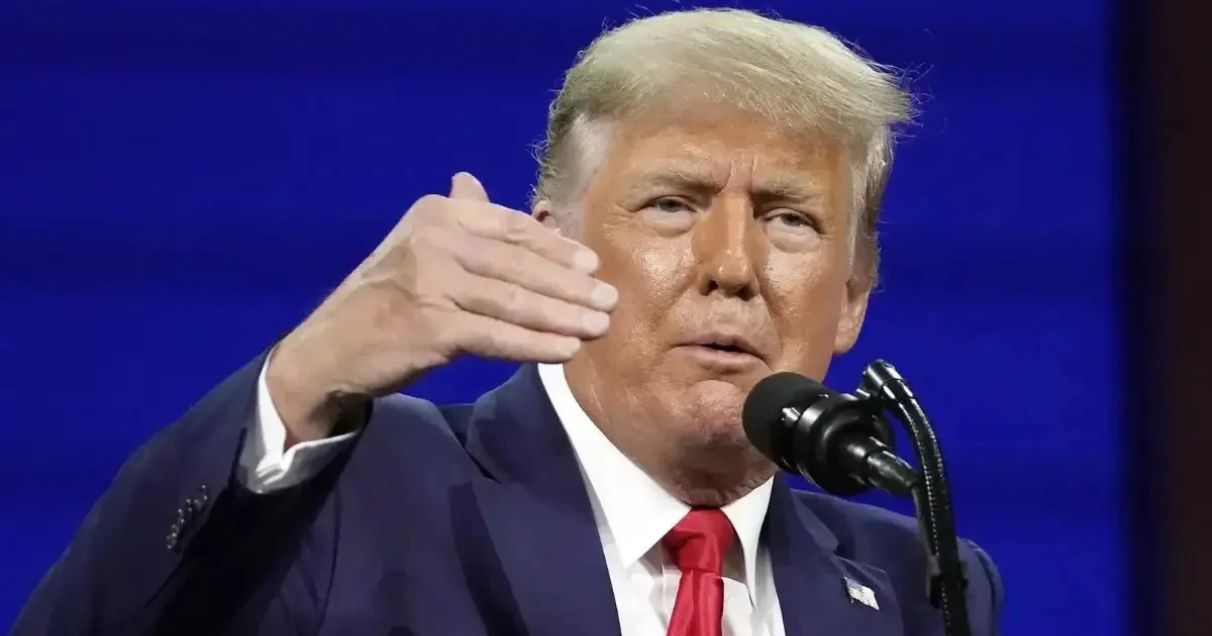
Donald Trump has again claimed that threats of 250 per cent tariffs helped stop the 2025 India-Pakis
Read More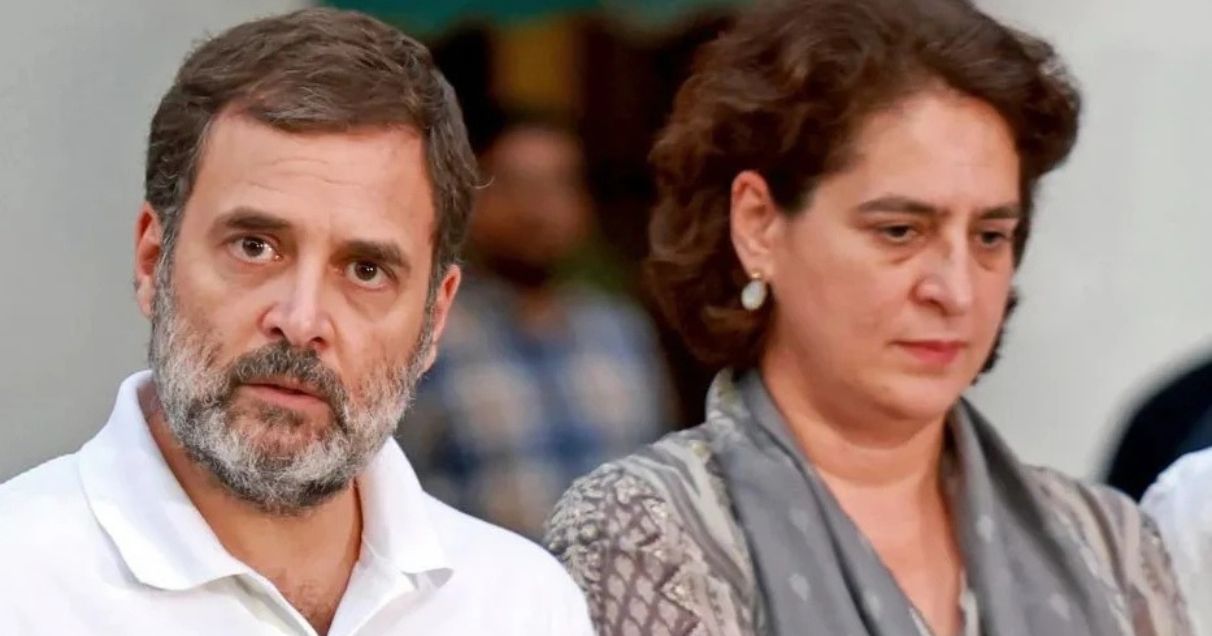
The BJP has alleged a rift between Rahul Gandhi and Priyanka Gandhi Vadra over the removal of photog
Read More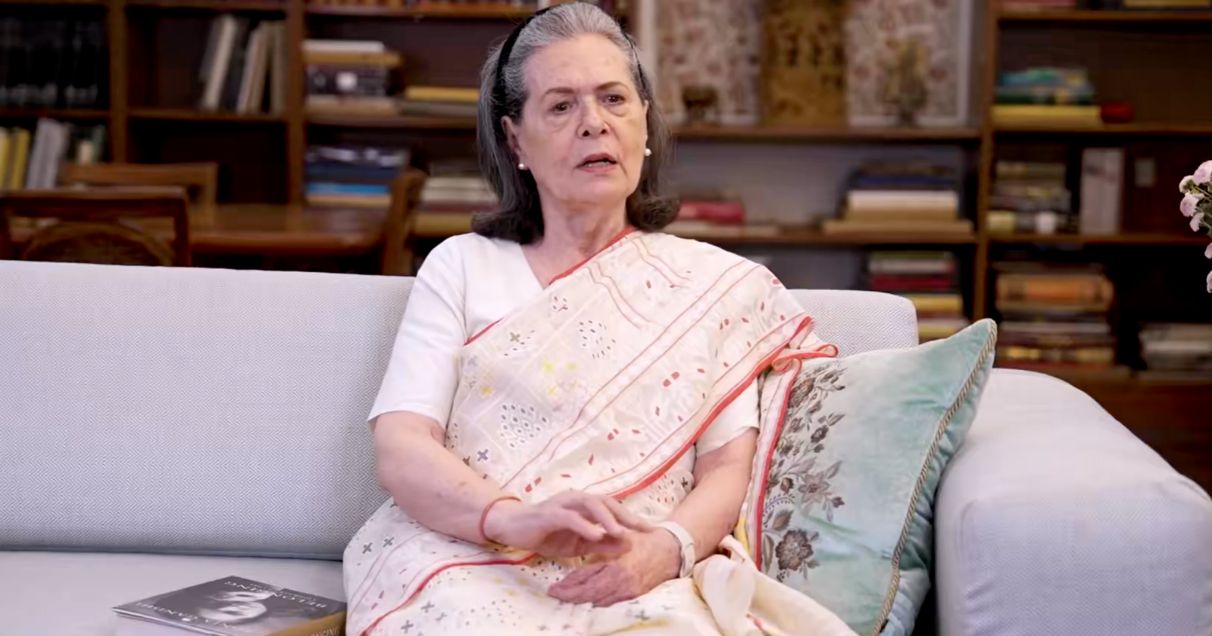
Sonia Gandhi has joined X with a memory of meeting Rajiv Gandhi in Cambridge, introducing her upcomi
Read More