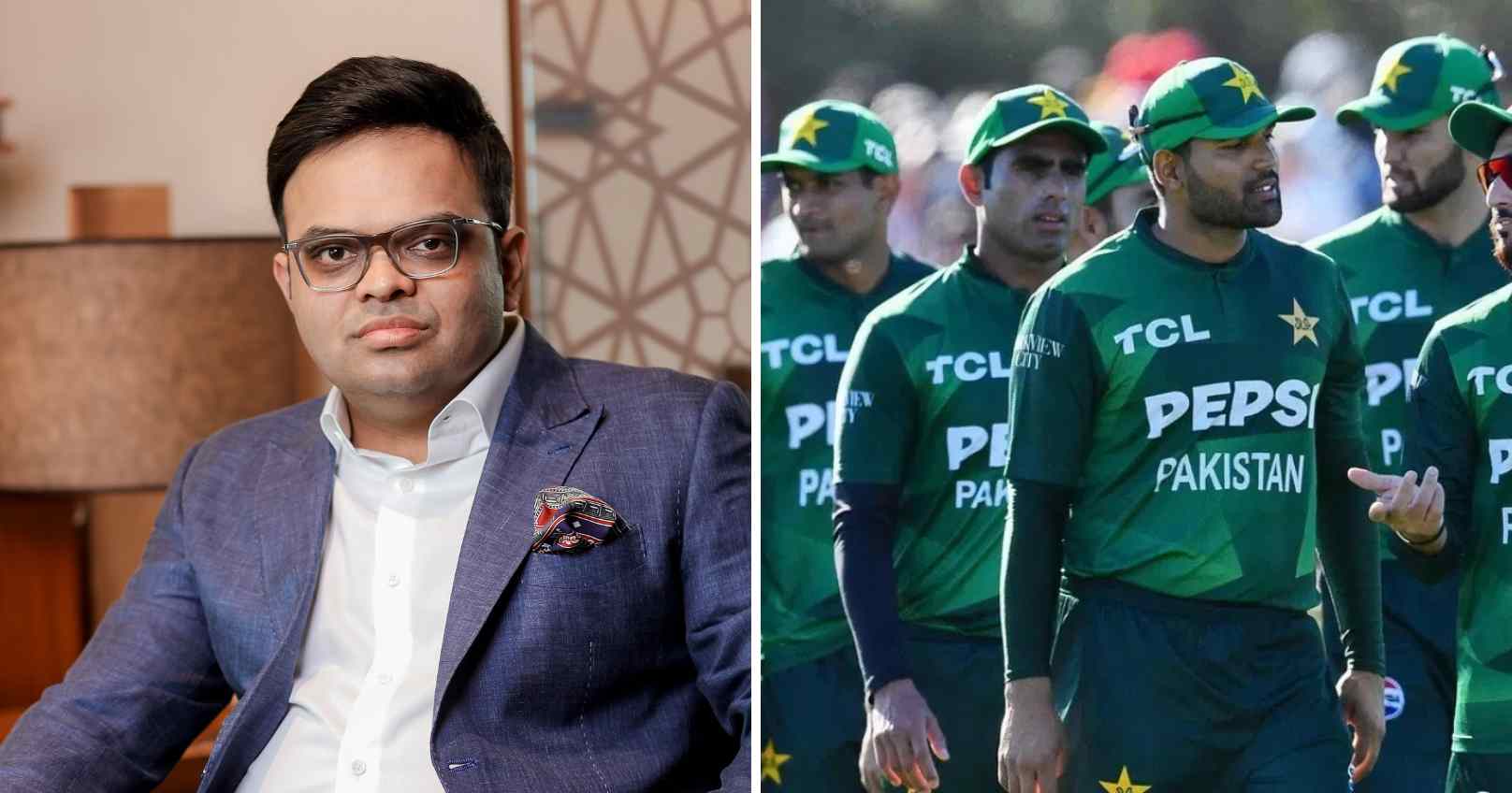
As preparations intensify for the 2026 T20 World Cup, relations between the Pakistan Cricket Board (PCB) and the International Cricket Council (ICC) have entered a volatile phase. Recent remarks by PCB chairman Mohsin Naqvi, coupled with Pakistan’s possible support for Bangladesh’s boycott, have reportedly put the global cricket body on edge and opened the door to disciplinary action of an unprecedented scale.
The flashpoint emerged after the ICC refused Bangladesh’s request to shift its World Cup fixtures out of India, a decision that drew sharp criticism from Naqvi. The PCB chief, who also holds the portfolio of Pakistan’s interior minister, publicly accused the ICC of applying inconsistent standards, pointing to the hybrid hosting arrangement previously approved for Pakistan’s matches.
According to sources cited by NDTV, senior ICC officials are deeply displeased with what they see as an increasingly confrontational posture from the PCB leadership. Naqvi’s vocal backing of Bangladesh and suggestions that Pakistan could consider skipping the tournament have reportedly strained ties further, with the ICC interpreting the comments as a direct challenge to its authority.
While Pakistan has not formally withdrawn from the World Cup, officials say the ICC is already examining contingency measures should Islamabad take that step. These could include far-reaching sanctions such as halting bilateral series involving Pakistan, barring the team from regional events like the Asia Cup, and coordinating with other boards to deny No Objection Certificates to overseas players seeking to feature in the Pakistan Super League. Such moves would significantly impact the PCB’s finances and leave Pakistan’s national side with limited international exposure outside ICC tournaments.
Naqvi, however, has maintained that Pakistan’s final call will rest with Prime Minister Shehbaz Sharif. Speaking to the media, he reiterated that Bangladesh had been wronged and deserved equal treatment as a full ICC member. He also appealed to other cricket boards to rally behind Bangladesh, arguing that no single country should be allowed to dictate terms within the sport’s global framework.
As the clock ticks down, the standoff has added a new layer of uncertainty to the T20 World Cup build-up, with the potential consequences extending well beyond a single tournament.