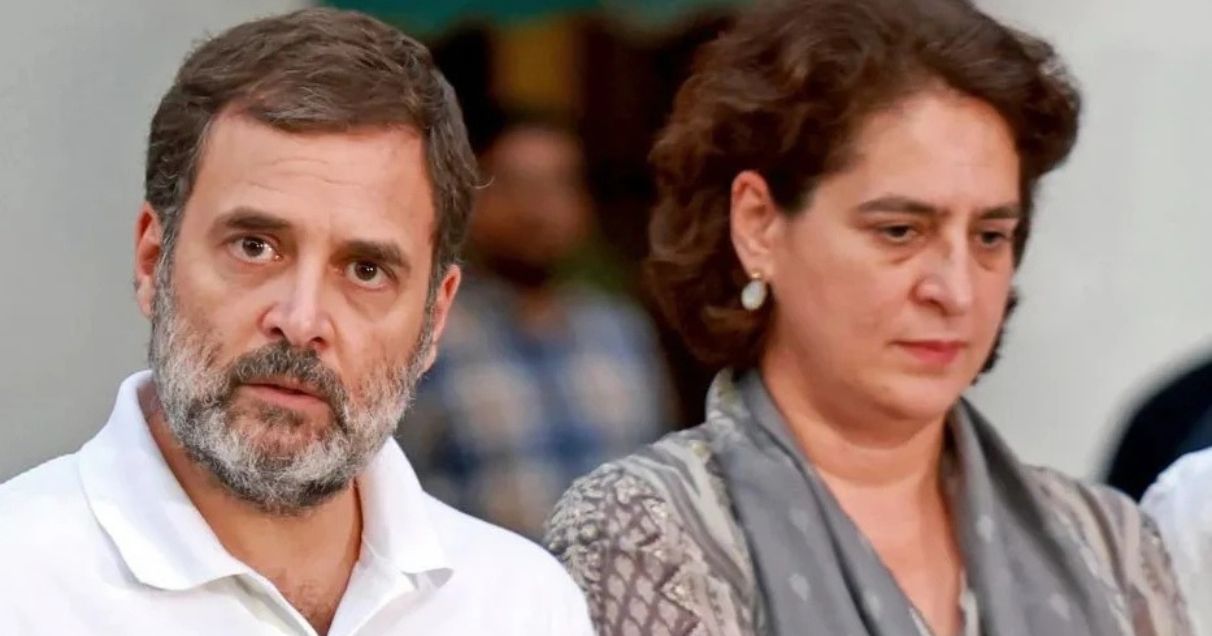
Leader of Opposition in the Lok Sabha, Rahul Gandhi, on Wednesday launched a sharp attack on the Centre’s proposed mega infrastructure initiative in Great Nicobar, describing it as a grave assault on India’s environmental and tribal legacy.
Currently touring the island, the Congress MP alleged that the massive redevelopment blueprint is being presented as economic progress while, in reality, it risks large-scale ecological damage. Sharing his views on social media platform X, Gandhi claimed that vast stretches of forest land were facing clearance and that local communities had not been adequately heard.
He pointed to the reported felling of millions of trees and warned that nearly 160 square kilometres of dense rainforest could be affected if the project moves ahead as planned. Calling the island’s forests ancient and irreplaceable, he said the people who have lived there for generations are being sidelined in decision-making processes.
The controversy centres around the green clearance granted for the ₹81,000-crore plan, which envisions transforming the southernmost tip of the Andaman and Nicobar Islands into a major transshipment and logistics hub. The project received approval from the National Green Tribunal, despite sustained objections from environmental groups and sections of the Opposition.
The Congress party has earlier labelled the proposal poorly conceived, arguing that it threatens fragile ecosystems and indigenous communities. Former party chief Sonia Gandhi had also urged the government to reconsider, warning that the region’s biodiversity and tribal populations could suffer irreversible consequences.
Supporters of the plan, however, argue that Great Nicobar’s proximity to the Strait of Malacca — one of the world’s busiest maritime trade routes — gives it immense strategic value. Analysts say a well-developed port and logistics centre could strengthen India’s maritime capabilities and counter expanding Chinese influence in the Indian Ocean region.
While critics fear displacement and environmental loss, proponents maintain that the initiative could draw significant investment, boost trade and enhance India’s geopolitical standing.
The debate over Great Nicobar’s future now reflects a broader tension between development ambitions and ecological preservation, with political voices sharply divided on the path ahead.