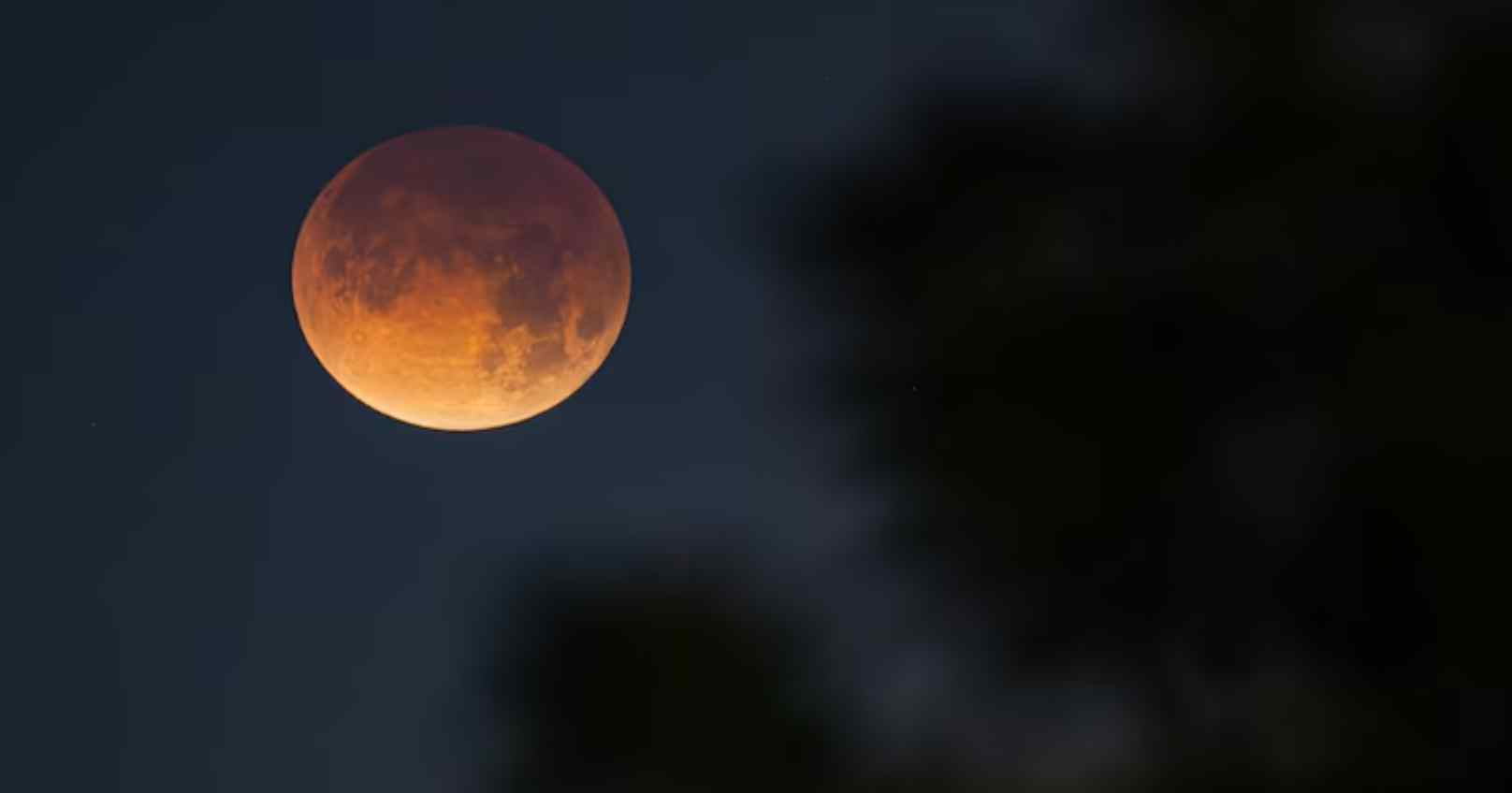
Rare ‘Blood Moon’ Lunar Eclipse Paints the Sky Red, Dazzles Stargazers Worldwide
A rare total lunar eclipse on March 3 turned the Moon a deep crimson, captivating skywatchers across the world and coinciding with Holi celebrations in India
03-03-2026

Sky enthusiasts around the world were treated to a spectacular celestial display on March 3 as a rare total lunar eclipse transformed the Moon into a glowing red sphere.
Often referred to as a “Blood Moon,” this event occurs when the Earth moves directly between the Sun and the Moon. During this alignment, Earth’s shadow falls across the lunar surface, blocking most direct sunlight and dramatically altering the Moon’s appearance.
For observers in India, the astronomical event carried an added layer of excitement as it occurred on the same day as the vibrant festival of Holi.
The Moon’s striking reddish tone during a total lunar eclipse is caused by a process known as Rayleigh scattering. As sunlight passes through Earth’s atmosphere, shorter blue wavelengths are scattered in different directions while the longer red wavelengths continue through.
This reddish light bends around the planet and reaches the Moon, illuminating it with a copper or blood-red hue.
According to NASA, the intensity and exact shade of the red colour can vary depending on atmospheric conditions. Dust, pollution, and cloud cover in Earth’s atmosphere influence how much red light reaches the Moon during the eclipse.
The eclipse process began in the afternoon at around 3:20 PM IST. However, many parts of India could only observe the event after the Moon rose in the evening.
In major cities such as Delhi, Mumbai and Bengaluru, the Moon appeared in the sky when the eclipse was already nearing its final stage, roughly around 6:20 PM IST.
People in northeastern regions, including Assam and Arunachal Pradesh, had a better opportunity to observe the peak phase because the Moon rose earlier in those areas. The eclipse concluded at approximately 6:47 PM IST.
Unlike solar eclipses, lunar eclipses can be viewed safely without special eye protection. This allowed thousands of people to gather on terraces, open fields and coastlines to watch the event.
Some observers used binoculars or small telescopes to view the Moon’s surface features under the reddish glow. Amateur and professional photographers also captured the phenomenon using long-exposure techniques to highlight the dramatic colour.
Astronomy enthusiasts noted that viewing the eclipse from areas with minimal light pollution—such as villages or countryside locations—provided the clearest and most vivid view of the Blood Moon.
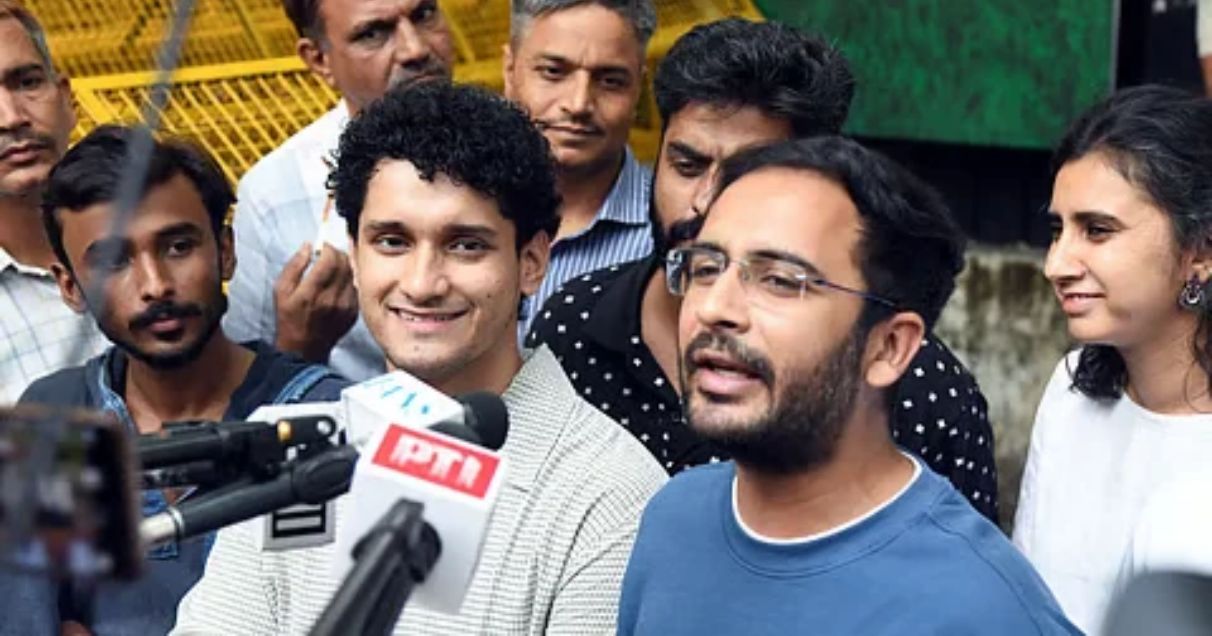
CJP leaders Saurav Das and Ashutosh Ranka were released by a Special Executive Magistrate after furn
Read More
CJP leaders Saurav Das and Ashutosh Ranka will remain in judicial custody until October 21 after a S
Read More
Former India cricketer Yusuf Pathan is reportedly set to receive half of a disputed 1,000-square-met
Read More