Saudi Arabia has reportedly offered $1 billion to Yemen's Iran-backed Houthi movement in an attempt to negotiate a ceasefire and protect its oil infrastructure from further attacks.
According to an October 27 report by Israeli newspaper Israel Hayom, the proposed arrangement is part of a wider diplomatic initiative involving Pakistan, Turkey and Iran to reduce tensions across the Middle East.
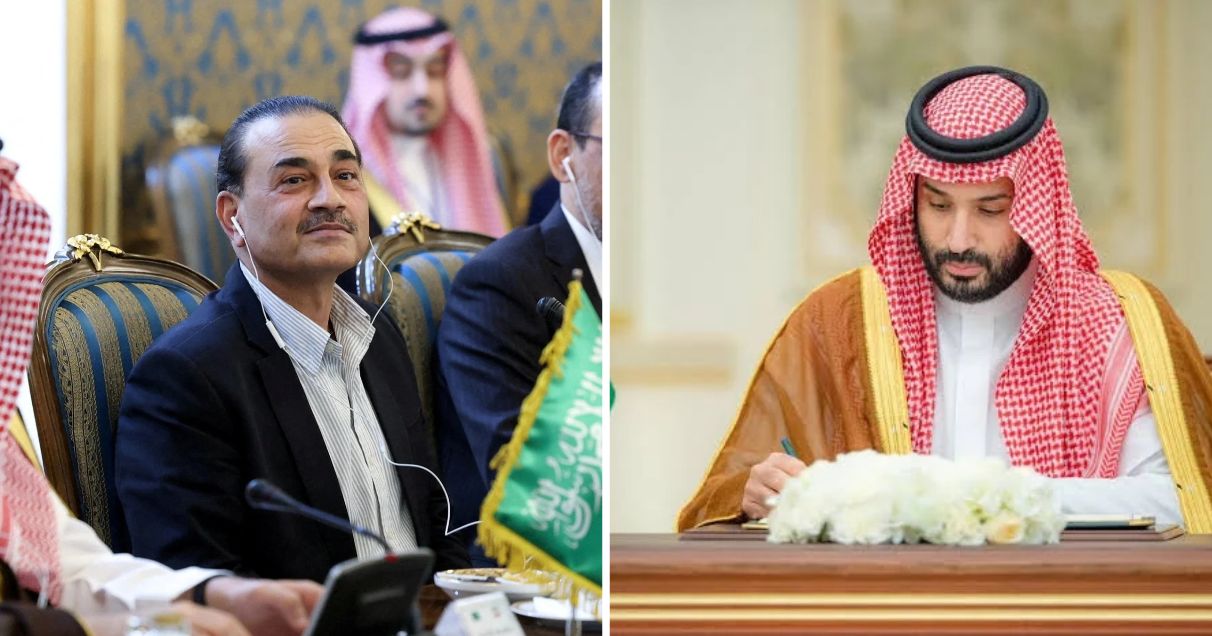
The newspaper, citing Gulf diplomatic sources, claimed that Saudi Defence Minister Prince Khalid bin Salman travelled to Tehran for discussions aimed at securing Iranian assistance in reaching an agreement with the Houthis.
One source reportedly alleged that the Saudi minister transported the proposed funds aboard a military aircraft. However, there is no independent confirmation that any money was transferred or that a final agreement was reached.
Pakistan's Asim Munir Reportedly Joins Negotiations
Pakistan's Army Chief, Field Marshal Asim Munir, and Turkish intelligence chief Ibrahim Kalin were reportedly involved in the diplomatic discussions.
The negotiations were described as taking place within the framework of the Mecca mutual defence arrangement involving Saudi Arabia, Pakistan and Turkey.
According to the report, Iranian President Masoud Pezeshkian, senior security official Mohsen Rezaei and representatives of Iran's Islamic Revolutionary Guard Corps also participated in the discussions.
Iran reportedly offered to facilitate negotiations between Riyadh and the Houthi leadership.
Oil Infrastructure Attacks Drive Saudi Diplomatic Efforts
The reported initiative follows escalating attacks on Saudi energy facilities and other critical infrastructure, alongside disruptions to shipping in the Strait of Hormuz.
Saudi Arabia is seeking to protect its oil exports and prevent further economic losses from prolonged regional instability.
The proposed financial arrangement is reportedly connected to earlier understandings under which Riyadh would provide assistance for public-sector salaries and reconstruction in Houthi-controlled areas of Yemen.
In exchange, the Houthis were expected to maintain a ceasefire and refrain from attacking Saudi territory.
The Israeli newspaper claimed that disagreements over the implementation of these commitments contributed to renewed hostilities.
Iran Seeks Greater Influence In Regional Security
The reported negotiations could strengthen Iran's diplomatic position by placing Tehran at the centre of efforts to resolve the Saudi-Houthi confrontation.
Iran has advocated a regional security arrangement involving Middle Eastern countries while opposing US and Israeli military involvement.
However, Saudi Arabia has reportedly maintained that it will not accept financial demands made under the threat of military attacks.
The alleged $1-billion proposal remains unverified, and neither an actual payment nor a concluded ceasefire agreement has been independently established.
The outcome of the reported negotiations could have significant implications for regional security, Saudi Arabia's energy exports and the broader balance of power in the Middle East.