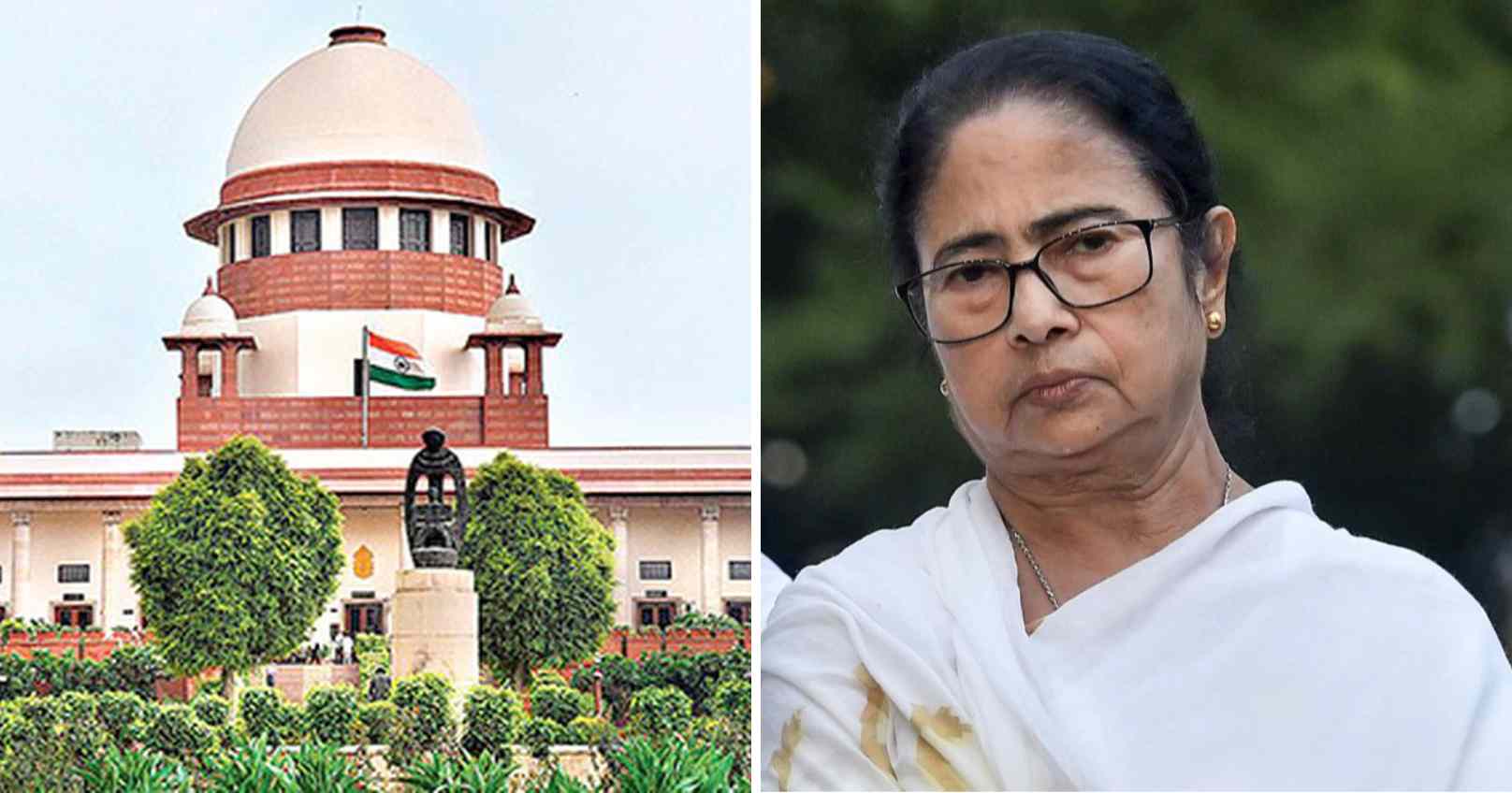
The Supreme Court of India on Tuesday expressed concern over the West Bengal Chief Minister Mamata Banerjee’s reported presence during a search conducted by the Enforcement Directorate (ED), describing the situation as “unusual” and questioning the legal recourse available to central agencies in such cases.
A bench comprising Justices Prashant Kumar Mishra and N. V. Anjaria observed that incidents involving potential interference by high constitutional authorities could create a legal vacuum if no remedy exists.
Court raises hypothetical concerns
The judges questioned what would happen if similar situations arose in the future, asking whether central agencies would be left without any legal option if state authorities intervened during their operations.
The observations came while hearing a petition filed by the ED regarding an incident linked to premises associated with political consultancy firm I-PAC and its official Pratik Jain.
ED alleges misuse of authority
The central agency has accused Banerjee of overstepping her authority during the operation, alleging that she left the premises with electronic devices and documents. It has sought legal action against those involved in the incident.
State cites federal structure concerns
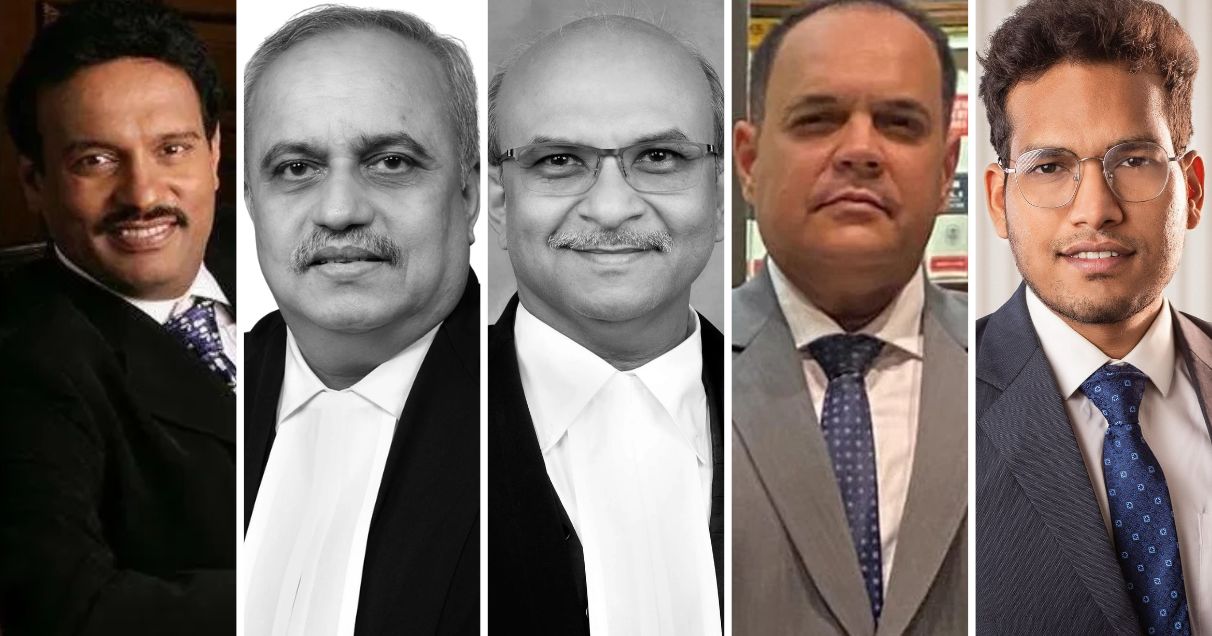
Appearing for the West Bengal government, senior advocate Shyam Divan argued that allowing a central agency to initiate legal proceedings against a state could undermine the balance of power under India’s federal framework.
He pointed out that agencies such as the Central Bureau of Investigation, Narcotics Control Bureau, Directorate of Revenue Intelligence and Serious Fraud Investigation Office do not typically have the authority to directly sue state governments.
Debate over legal remedy
The court, however, emphasised the need to ensure that such disputes do not fall into a legal grey area. It noted that mechanisms must exist to address extraordinary situations involving potential clashes between state and central authorities.
Divan suggested that any action should be initiated through appropriate constitutional channels by the Union government rather than individual departments approaching the court.
Matter to continue
The case has been scheduled for further hearing on March 24, with the court expected to examine the broader constitutional questions raised by the dispute.