The Supreme Court on Monday declined to put an interim stay on the Centre’s decision to introduce merchant discount rates (MDR) on specified UPI person-to-merchant transactions above Rs 2,000, with the new framework scheduled to take effect from October 15.
The court, however, agreed to examine the legal and technical basis of the levy and issued notices to the Centre, Reserve Bank of India (RBI) and National Payments Corporation of India (NPCI).
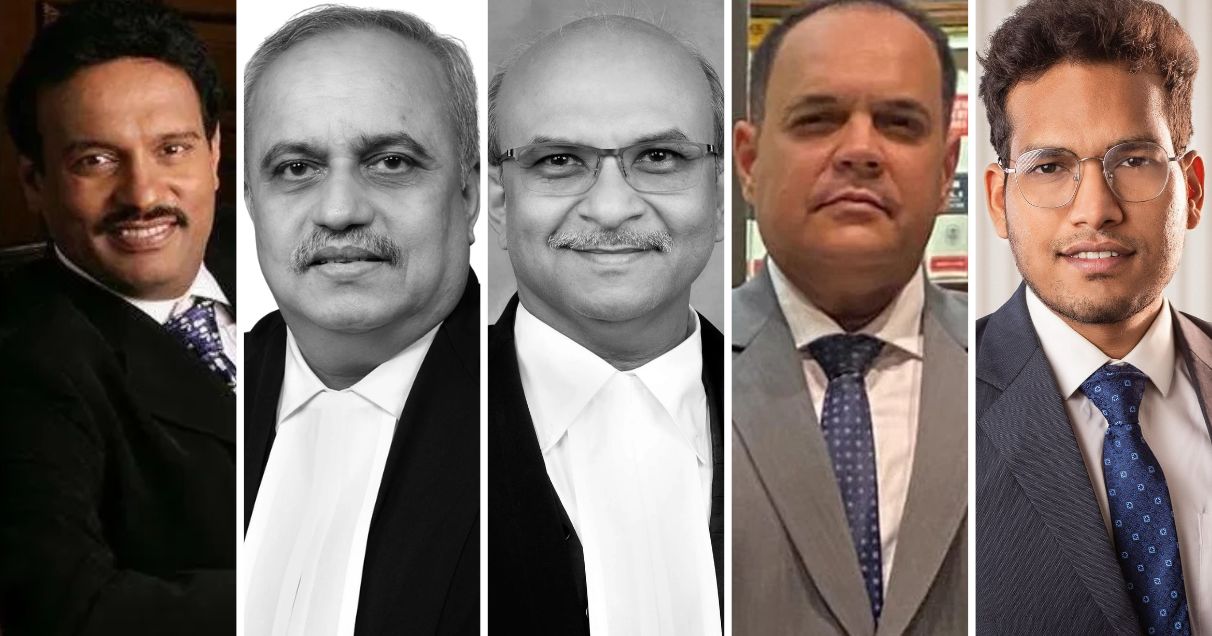
A three-judge bench comprising Chief Justice Surya Kant and Justices Joymalya Bagchi and V Mohana directed the respondents to file their responses within four weeks.
What Is The UPI MDR Dispute?
The proceedings stem from a public interest litigation filed by advocate Anjan Datta challenging the Centre’s September 14 notification and the MDR framework announced the following day.
Under the new arrangement, a 0.4 per cent MDR will apply to specified merchant UPI payments above Rs 2,000. Person-to-person transfers and certain smaller-value transactions will continue to remain outside the levy.
The petitioner has questioned the statutory basis of the framework and argued that the new charge could have implications for merchants and consumers.
Centre Defends The Move
Additional Solicitor General N Venkataraman, appearing for the Centre, told the bench that the vast majority of UPI users would not be affected by the new arrangement.
He said around 96 per cent of people using the payment gateway would remain exempt and stressed that the government itself would not receive the money generated through the arrangement.
The law officer also told the court that charges applicable to essential services would be capped at Rs 5 per transaction.
Responding to questions from the bench, Venkataraman maintained that the MDR was neither a tax nor a government fee. He described it as a settlement charge operating between payment aggregators and banks.
Court Seeks Clarity On Legal Basis
The bench sought details on the legal authority under which the new charge was being implemented.
The judges asked whether the levy should be treated as a tax or fee and sought clarification on the executive basis for introducing the arrangement.
The Centre maintained that the charge did not amount to expropriation and argued that the government was not the direct recipient of the money.
The court said it wanted the Centre to provide the relevant details through a concise affidavit, observing that understanding the technical aspects of the payment mechanism would be important alongside the legal questions.
No Interim Relief To Petitioner
After the court issued notice, counsel appearing for the petitioner requested that implementation of the framework be suspended until the matter was considered further.
The bench declined to grant interim relief at this stage, meaning the October 15 implementation date remains in place for now.
The court has given the Centre, RBI and NPCI four weeks to respond to the challenge.
How The New MDR Structure Works
Under the proposed framework, merchant transactions above Rs 2,000 will generally attract an MDR of 0.4 per cent.
For transactions of Rs 75,000 or more, the charge will be capped at Rs 300.
Certain essential and low-margin sectors — including railways, telecommunications, insurance, fuel and agricultural inputs — will face a flat MDR of Rs 5 on qualifying transactions above Rs 2,000.
A separate rate of 0.02 per cent will apply to payments involving mutual funds, securities, stockbrokers and dealers, subject to a maximum charge of Rs 300.
Person-to-person UPI transactions will remain free, regardless of the amount involved.
PIL Questions UPI-RuPay Distinction
The petition has also challenged the distinction between UPI payments and RuPay debit-card transactions.
The petitioner has argued that the continued protection for RuPay debit-card payments, without a similar monetary ceiling, raises questions about the classification adopted under the new framework.
The plea further alleges that the MDR regime was introduced without sufficient statutory safeguards, transparency or public consultation.
It has challenged the constitutional validity of the amended Section 10A of the Payment and Settlement Systems Act, 2007, arguing that the provision allegedly gives the executive broad discretion over which electronic payment systems receive protection from charges.
Petition Seeks Reconsideration
The petitioner has asked the Supreme Court to cancel or suspend the MDR framework insofar as it applies to UPI merchant payments above Rs 2,000.
Alternatively, the plea seeks reconsideration of the framework after a transparent consultation process, publication of relevant data and an assessment of its potential impact on businesses.
The petition has also sought safeguards for micro and small enterprises and argued that factors such as merchant turnover, MSME status, profit margins and geographical circumstances should be considered while determining MDR categories.
For now, the Supreme Court has not stopped the October 15 rollout. The next stage of the case will depend on the responses filed by the Centre, RBI and NPCI and the court’s examination of the legal and technical basis of the proposed UPI charges.