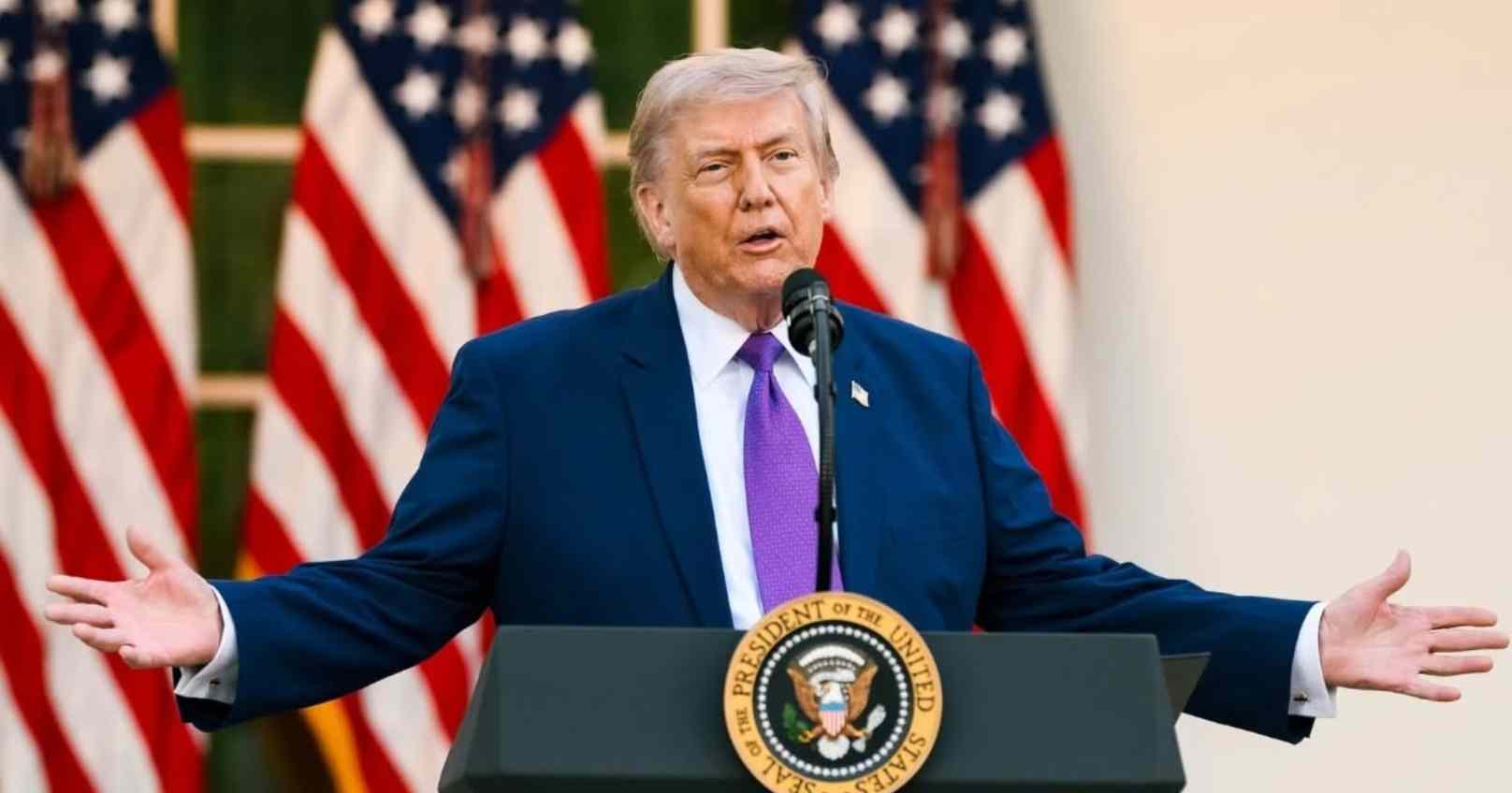
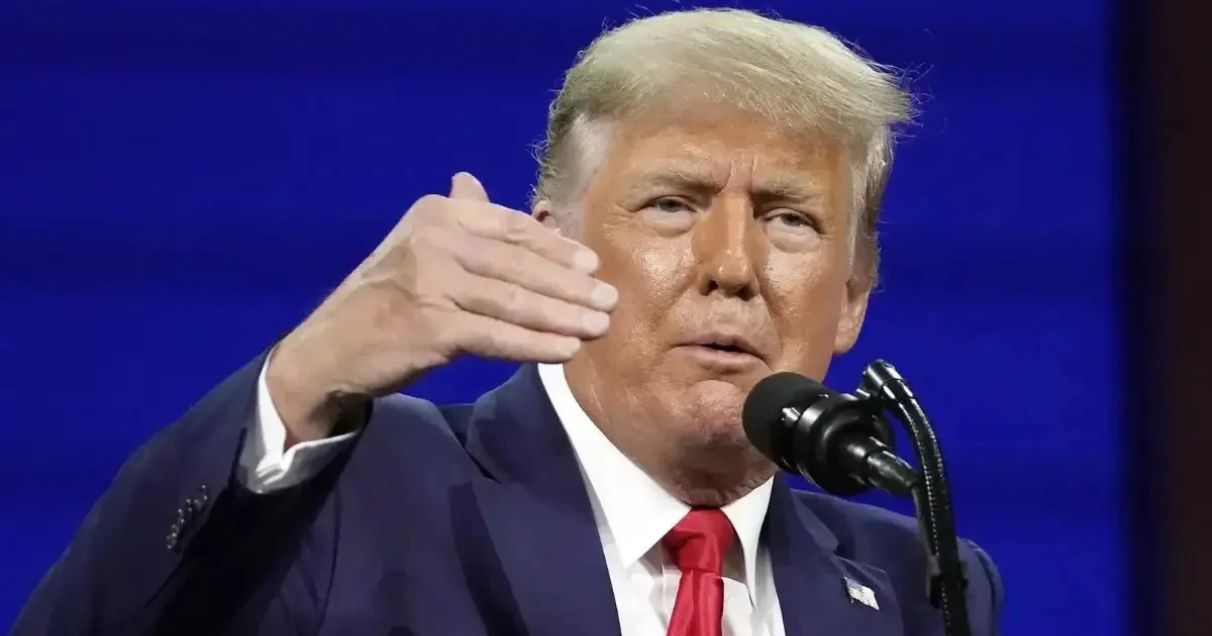
US President Donald Trump has reversed his proposal to impose a 20% charge on cargo moving through the Strait of Hormuz, opting instead for what he described as large-scale trade and investment commitments from Gulf countries.
In a post on Truth Social, Trump said discussions with leaders in the Middle East had prompted the policy change. Rather than collecting a shipping fee, he said the United States would benefit from substantial investments by Gulf nations that would strengthen economic ties and support American manufacturing.
According to Trump, the planned investments would result in new factories, industrial facilities and equipment flowing into the US, creating millions of well-paying jobs while also benefiting the economies of participating Gulf countries.
The announcement marked a significant shift from his stance a day earlier, when he proposed that the US become the "Guardian of the Hormuz Strait" and recover security costs by levying a 20% fee on all cargo transiting the strategic waterway.
Trump also reiterated that the Strait of Hormuz remains open for international shipping, attributing uninterrupted maritime traffic to the presence of the US military. He praised senior defence officials and American forces for safeguarding one of the world's busiest energy corridors.
At the same time, the US President declared that Washington would continue blocking vessels connected to Iran. He said the restrictions would apply only to ships sailing to or from Iranian ports or carrying Iranian cargo, while commercial traffic from other countries would continue without interruption.
Trump also renewed his criticism of Iran's leadership, accusing it of pushing the country toward instability and repeating his long-held position that Tehran must never acquire nuclear weapons.
His revised plan comes amid heightened tensions in the Gulf following recent military exchanges between the US and Iran. Earlier, Trump had announced that the US would oversee security in the Strait of Hormuz and charge commercial vessels a reimbursement fee, a proposal that was quickly rejected by Tehran.
Iran dismissed any suggestion that Washington could control the strategic waterway and warned that unauthorised US military activity in the region would face a firm response. Iranian officials also cautioned neighbouring countries against supporting American initiatives, saying such cooperation would be viewed as hostile.
Despite Trump's latest assurance that global shipping remains unaffected, uncertainty continues over the security situation in the Strait of Hormuz, a critical maritime route through which a significant share of the world's oil and liquefied natural gas supplies passes.