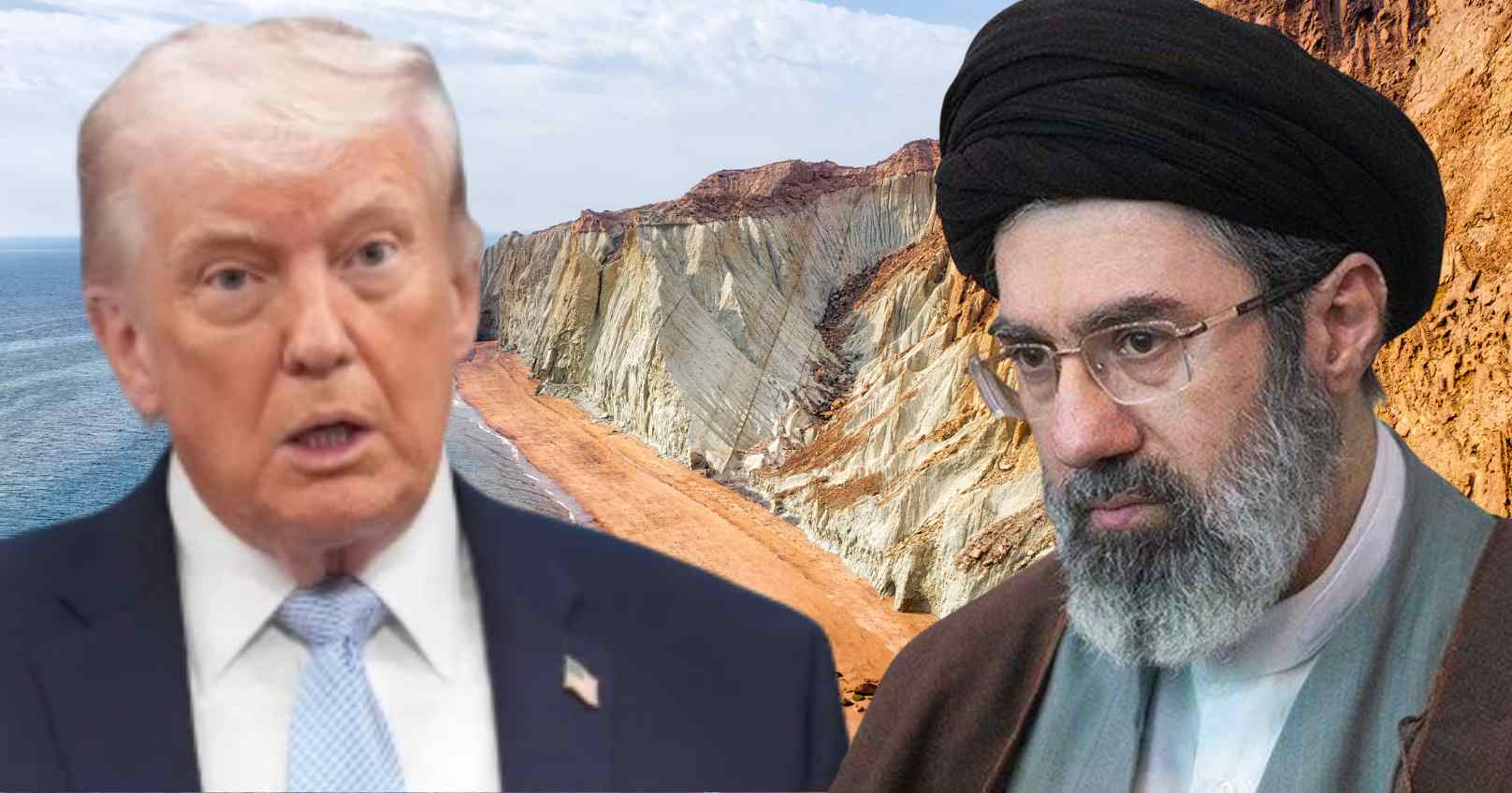
Trump Pauses Iran Strikes, Announces Two-Week Ceasefire as Strait of Hormuz Set to Reopen
Washington and Tehran agree to a temporary truce, creating space for fresh diplomatic talks amid weeks of escalating conflict
08-04-2026

In a dramatic shift after weeks of mounting threats, US President Donald Trump has agreed to suspend planned military action against Iran, announcing a 14-day ceasefire just ahead of his own deadline for Tehran to comply with American demands.
The pause follows what Trump described as a “practical” peace framework proposed by Iran. Under the understanding, the United States will refrain from striking key Iranian infrastructure, including bridges and power facilities, while Tehran moves toward reopening the strategically crucial Strait of Hormuz under specified conditions.
Iran confirmed it has accepted the temporary truce and signalled readiness for further negotiations. Tehran stated that if hostilities against it cease, its armed forces would also halt defensive operations. It added that safe maritime movement through the Strait would resume during the two-week window, coordinated with Iranian authorities and subject to operational considerations.
Formal discussions aimed at achieving a broader settlement are scheduled to take place in Islamabad on April 10, with Pakistan playing a mediating role between the two sides.
Despite the diplomatic breakthrough, tensions on the ground remain visible. Missile warning systems were reportedly activated in parts of the Gulf even after the ceasefire announcement. Israel endorsed the limited suspension of US strikes on Iran but clarified that military operations in Lebanon would continue, underscoring that the arrangement does not extend to that front.
Both Washington and Tehran claimed credit for the breakthrough. Iranian officials portrayed the truce as acceptance of their conditions, while the White House maintained that American pressure forced Iran to soften its position on reopening the Strait.
Iran’s broader proposals reportedly include phased sanctions relief, withdrawal of US combat forces from the region, access to frozen assets, and mechanisms for regulating maritime transit through Hormuz, potentially involving transit charges in coordination with regional partners.
Financial markets reacted swiftly. Global oil prices slid below the $100 mark, with benchmark crude futures recording sharp declines. Equity markets in Asia rose, and US stock futures moved higher, reflecting optimism that energy supply disruptions could ease.
Now entering its sixth week, the conflict has resulted in thousands of casualties across multiple countries and extensive infrastructure damage. While the two-week ceasefire offers a potential off-ramp, much depends on whether upcoming negotiations can translate the temporary pause into a durable settlement.

Donald Trump has again claimed that threats of 250 per cent tariffs helped stop the 2025 India-Pakis
Read More
The BJP has alleged a rift between Rahul Gandhi and Priyanka Gandhi Vadra over the removal of photog
Read More
Sonia Gandhi has joined X with a memory of meeting Rajiv Gandhi in Cambridge, introducing her upcomi
Read More