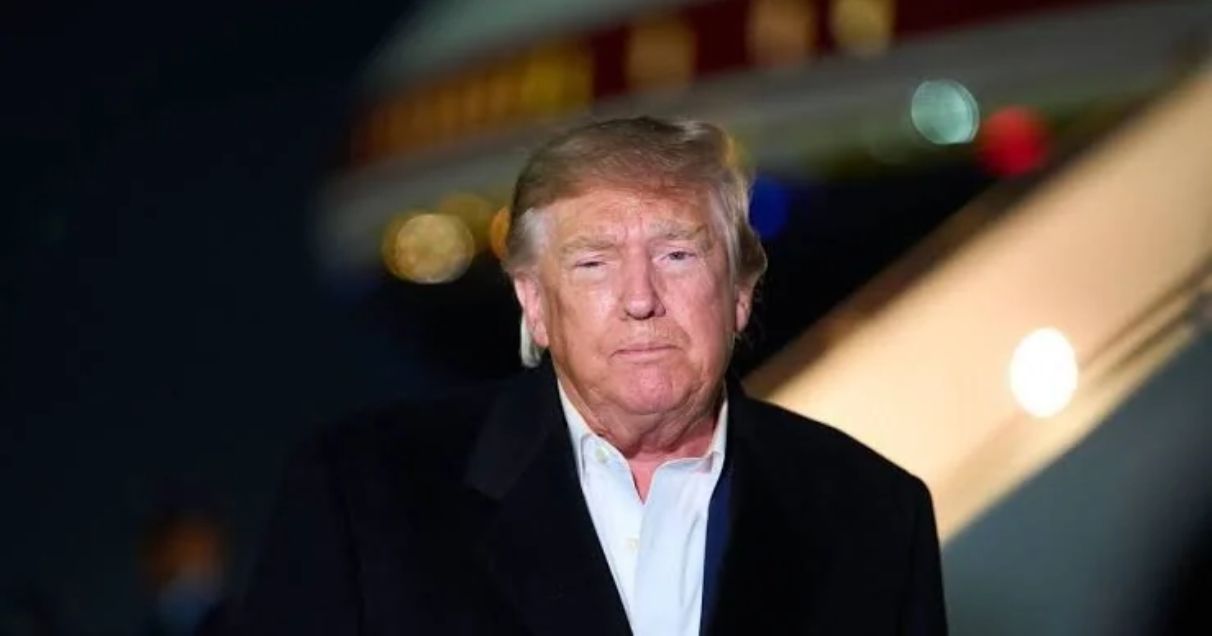
The administration of US President Donald Trump is preparing to rely more heavily on executive powers to advance its trade agenda, anticipating that the November 3 midterm elections could hand Democrats control of Congress and trigger a fresh battle over tariffs. Even if Democrats make significant gains, however, their ability to reverse the President’s trade measures through legislation will remain limited by his veto power.
Democrats are expected to intensify scrutiny of Trump’s tariff policies if they win control of either chamber of Congress. Their strategy could include investigations, oversight hearings and votes aimed at overturning duties imposed on foreign goods. Trade experts and congressional aides, however, believe the President is unlikely to abandon his tariff-heavy approach in response to political pressure.
The election could reshape the balance of power in Washington. Republicans currently hold a 218-214 majority in the House of Representatives and a 53-47 advantage in the Senate. Democrats need a net gain of four seats in each chamber to take control.
Opinion polls suggest Democrats have a stronger chance of winning the House, while the Senate contest remains uncertain. Even a victory in both chambers is unlikely to give them the two-thirds majority required to override a presidential veto.
Democrats plan challenge to Trump's tariff framework
One of the Democrats’ priorities would be to dismantle tariffs they consider damaging to American consumers and businesses. Senator Ron Wyden, the top Democrat on the Senate Finance Committee, has singled out duties on Canadian goods as a potential target.
“One of the most obvious priorities would be repealing Trump’s tariffs on Canada, which are raising prices and harming communities on both sides of the border,” Wyden said.
Democrats could also use control of Congress to advance the proposed End Trump's Tariff Tax Act, introduced by Senate Democratic leader Chuck Schumer. The legislation seeks to repeal Section 338 of the Tariff Act of 1930, which provides a basis for punitive tariffs on Canadian goods, and Section 122 of the Trade Act of 1974, which the administration has used to impose temporary 10% tariffs globally.
The bill also proposes refunds for duties collected under the two provisions. It has 28 co-sponsors, including Wyden.
Passing the legislation would be difficult, however, given the likelihood that Trump would veto any measure seeking to reverse his trade policy.
William Reinsch, a non-resident adviser at the Washington-based Centre for Strategic and International Studies, said Democrats could pursue multiple initiatives but would struggle to enact them without the numbers needed to overcome a veto.
“Democrats are going to try a lot of things. I just don’t think anything’s going to get across the finish line because neither party will have a veto-proof majority in any scenario,” Reinsch said.
Congressional hearings could put administration under pressure
Even without the votes to repeal tariffs, Democrats could use committee leadership to investigate how the administration is implementing its trade agenda.
Potential areas of scrutiny include the process for granting tariff exemptions to individual companies, the effects of import duties on small businesses and the handling of investment commitments made by trading partners under recent agreements.
Japan, South Korea and other countries have pledged hundreds of billions of dollars in investment as part of trade arrangements with the United States. Congressional Democrats could examine how those commitments are being allocated and whether the agreements are delivering the promised benefits.
Such inquiries would contrast with the largely restrained approach Republicans have taken towards Trump's tariff policies over the past two years. Some Republicans facing difficult re-election contests have nevertheless begun voicing concerns. Senator Susan Collins of Maine is among those who have recently pushed back against the administration's trade measures.
Greta Peisch, a former general counsel at the Office of the US Trade Representative and former trade counsel to Senate Finance Committee Democrats, said the effort could extend beyond immediate attempts to reverse tariffs.
“I think it’s really the beginning of how Democrats, and Congress as a whole, think about whether and how to enact trade legislation and reforms in the next two to four years, really,” Peisch said.
Peisch, now a trade partner at Washington law firm Wiley Rein, said the proposals could help Democrats develop a more comprehensive trade policy ahead of the 2028 presidential election.
Trump expected to pursue more tariffs
The prospect of stronger congressional opposition is not expected to stop the administration from expanding its use of tariffs. The White House is preparing for additional trade measures, including potential duties following an investigation into excess industrial capacity across 16 major trading partners.
At the same time, Trump has granted exemptions or postponed the implementation of some duties, highlighting the administration's willingness to adjust individual measures without abandoning its broader strategy.
White House spokesperson Matthew Middleton said the President remained committed to using tariffs to defend American workers, farmers and businesses against practices the administration considers unfair.
“President Trump will never waver from putting America First, whether in trade negotiations or through an economic agenda of tax cuts and deregulation,” Middleton said in an emailed statement.
Middleton also said the administration had secured nearly 20 trade deals and commitments involving trillions of dollars in manufacturing investment. He added that the White House expected further gains in investment, employment and economic opportunities.
The midterm elections could therefore intensify the political fight over trade without immediately changing the direction of US tariff policy. Democrats may gain greater power to investigate and challenge the administration, but Trump's executive authority and veto remain formidable obstacles to any attempt to reverse his agenda.