In a decision that could recalibrate energy diplomacy, the United Arab Emirates has confirmed it will formally leave the Organization of the Petroleum Exporting Countries (OPEC) and its extended alliance, OPEC+, effective May 1.
The development comes during a period of instability in global energy markets, with regional conflict involving Iran disrupting supply chains and raising concerns about the security of key shipping routes.
UAE Energy Minister Suhail Al Mazrouei said the country’s departure reflects evolving national priorities and long-term economic strategy. He stated that the decision aligns with sectoral policy changes and broader market considerations, while reaffirming the UAE’s commitment to ensuring steady and responsible energy supplies.
By exiting the group, the UAE will no longer be subject to collective production agreements set by the alliance. Officials indicated that the move will provide greater flexibility in determining output levels based on national interests rather than bloc-wide quotas.
Impact on OPEC and Saudi Arabia
The UAE has long been considered one of the more influential and dependable members of the oil-producing coalition. Its withdrawal is seen as a setback for the alliance, particularly for Saudi Arabia, which plays a central leadership role within OPEC.
At a time when oil markets are already under pressure due to geopolitical uncertainty, reduced cohesion within the bloc could complicate efforts to manage supply and stabilise prices.
Geopolitical Undercurrents
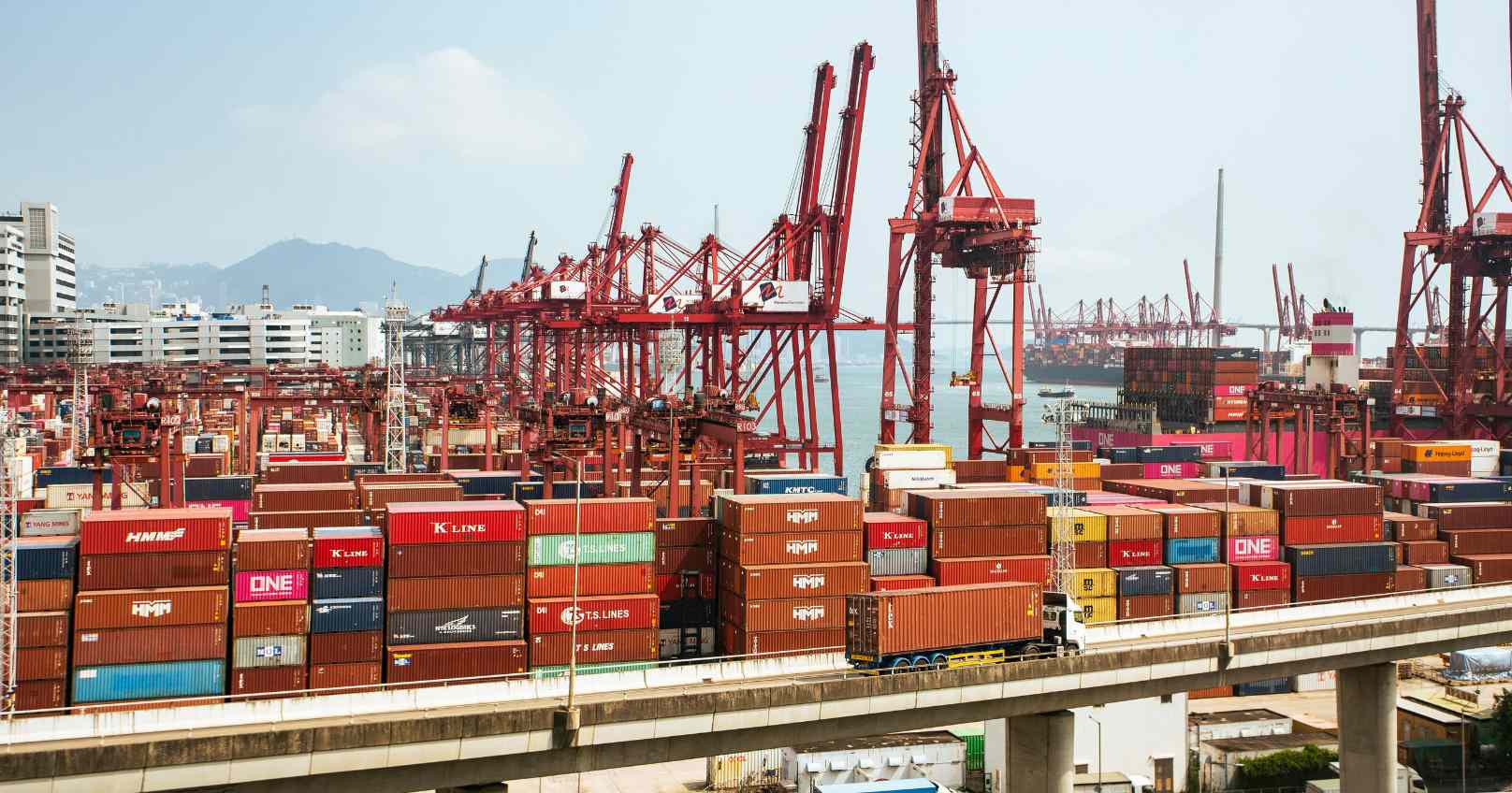
The announcement comes amid heightened tensions in the Middle East, where conflict has intensified concerns about the Strait of Hormuz — a critical maritime corridor through which a significant portion of the world’s oil and liquefied natural gas exports transit.
Energy analysts say any prolonged instability in the region risks prolonging volatility in global oil markets.
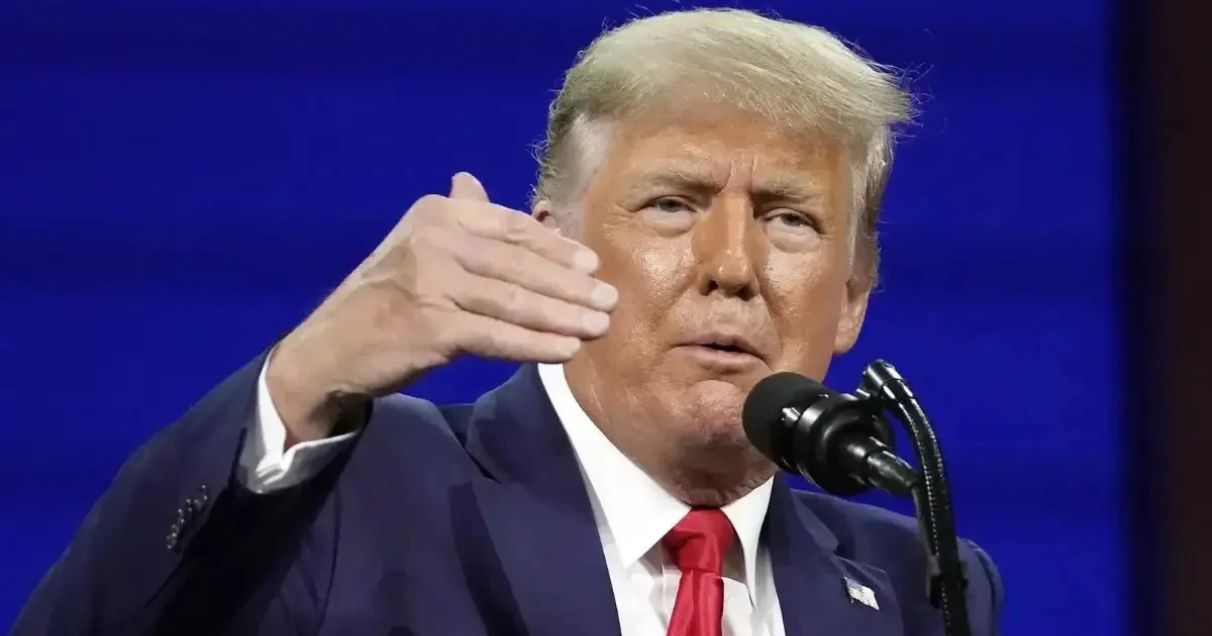
The decision has also been viewed through a political lens in the United States. Former US President Donald Trump has frequently criticised OPEC for influencing global oil prices and has argued that American security commitments in the Gulf should be reflected in lower energy costs.
Regional Frustrations Surface
The UAE’s withdrawal follows growing dissatisfaction within parts of its leadership over what they perceive as limited political and security backing from regional partners during recent hostilities involving Iran.
Senior Emirati officials have publicly expressed concern that Gulf cooperation, while present on logistical levels, has lacked stronger political and military alignment during periods of strain.
What Is OPEC?
Founded in 1960, OPEC was established to coordinate petroleum policies among major oil-producing nations and to exert greater collective influence over pricing and supply decisions. The broader OPEC+ framework includes additional producing countries that cooperate on output targets.
Following the UAE’s exit, the core group will continue with 11 member countries: Algeria, Republic of Congo, Equatorial Guinea, Gabon, Libya, Nigeria, Iran, Iraq, Kuwait, Saudi Arabia and Venezuela.
The organisation states that its central objective remains maintaining balance and stability in international oil markets.
What Happens Next?
Market observers will now watch whether other member states reassess their positions, especially if internal differences over production strategy widen.
For the UAE, the focus shifts toward independent energy policymaking — a move that could redefine both its regional standing and its role in shaping global oil supply in the years ahead.